



An Acura model is characterized by its powerful engine, high-quality features, and stylish appearance. It periodically has problems with the oxygen sensor. The oxygen sensor is a small component, but when it fails, it will prevent your Acura from functioning properly.
In order to avoid this problem in the future, it is good to know the main causes of oxygen sensor failure and how to deal with the problem if it crops up in your Acura.
The Importance of the Oxygen Sensor
The oxygen sensor is a component that’s used to detect the amount of oxygen in your Acura for the purpose of precise engine efficiency. The oxygen level detected by the sensor is sent to the vehicle’s computer so that it can determine whether or not there is enough oxygen in relation to fuel being utilized by your engine.
If there is too little oxygen, this means that the air-fuel mixture in your vehicle is too rich. If there is too much oxygen, this means that the air-fuel mixture in your vehicle is too lean.
Once the computer determines if you have a rich or lean fuel mixture, it will adjust the fuel injector output to compensate for it. This keeps your engine running until you can get it fixed. Unfortunately, an oxygen sensor failure can cause problems with how your engine runs and even cause it to be more difficult to start on cold mornings. It will also burn through your budget, as it can cause you to fill up at the pump far more than before.
Signs of an Oxygen Sensor Failure
The following are signs that indicate your Acura’s oxygen sensor is failing:
- Check engine light: A check engine light can indicate many different problems with a vehicle, but one of them is an oxygen sensor failure. In some cases, the light will remain on until a mechanic resets it manually. However, if you want to avoid this happening again and again, you need to replace your oxygen sensor as soon as possible so that you don’t have to pay another visit to your mechanic unnecessarily.
- Poor fuel economy: The first sign is poor fuel economy, which may not be noticeable until the vehicle has been driven for a few miles. If there is a problem with the oxygen sensor, it will take longer for the engine to reach its correct operating temperature, which means that it will use more fuel than usual.
- Engine misfire: An engine misfire can also be caused by a faulty oxygen sensor, and this is because the air-fuel mixture in the engine becomes unbalanced. In this case, the car may feel as though it is experiencing a loss of power. The vehicle may also hesitate when accelerating, and this will happen at various points in time throughout the driving experience.If you hear a knocking noise from your engine compartment, turn off your car immediately and call for help.
- Engine stalling: If you have ever been driving and noticed that your Acura tends to stall more than usual, it could be because of a faulty oxygen sensor. When the oxygen sensors malfunction, they send false information to the computer about how much oxygen is needed by the fuel injectors. As a result, too much or too little fuel may be injected into the engine and cause the vehicle to stall.
- The smell of sulfur: Your exhaust system can leak if there is a crack or hole in it somewhere, which will release a sulfur smell. This smell isn’t toxic to you, but excessive amounts of unburned gas can lead to carbon monoxide poisoning. If your exhaust system isn’t working properly, you could also be releasing harmful gases into the environment.
What to Do When Your Oxygen Sensor Fails

If you notice any of the above signs, bring your Acura to our professionals for inspection and diagnostics as soon as possible, as this can be a very expensive repair if not fixed sooner than later.
At Encore Motorcars of Sarasota, we’re committed to making maintenance easier and more convenient, so drivers can enjoy their cars the way they were designed. We are Sarasota’s leading full-service auto center. We provide drivers with everything from sales to services for the most popular German, Exotic and Asian import auto brands in Venice, Longboat Key, University Park, Bradenton, Ellenton, Nokomis, Osprey, Parrish, Lakewood Ranch, Siesta Key, and Sarasota, FL.
Give us a call at 941-922-6337 to book an appointment or stop by today. We are ready to provide you with a hassle-free experience that is guaranteed to have you satisfied no matter what your car needs.

A head gasket is a vital component of a vehicle which enables your Mini Cooper to produce enough power to move forward. It also keeps harmful gases from exiting the combustion chambers by directing them through the exhaust system. The head gasket provides a seal between the engine blocks and the cylinder head and seals the combustion gases within the cylinder. This helps avoid coolant or engine oil leaking into the cylinder.
A leak in the head gasket can cause poor running of your engine and can also cause overheating. A faulty head gasket needs immediate attention from professionals. Your Mini Cooper’s engine operates in extreme conditions with intense heat. If the heat becomes more than the components are made to withstand, your engine can overheat, causing a blown head gasket. The extra heat results in the cylinder head and engine block expanding too much, which results in a failure in the head gasket.
Detonation is another cause of head gasket failure because it damages the armor or fire rings, allowing cylinder pressure to leak past the armor. There are various signs that indicate that you have a faulty head gasket, which we’ll mention in this article.
Symptoms of a Faulty Headgear
They are signs that indicate you have a faulty head gasket.
Overheating
When metal engine parts get too hot, they can warp and swell, which can cause them to pull away from their gaskets and seals, leading to leaks. Since the head gasket keeps coolant flowing properly through the engine, a head gasket leak will often make the engine overheat, too.
A blown head gasket will cause the engine to overheat. High temperatures are usually caused by a lack of coolant within the radiator due to a leak. Some gaskets are likely to weaken sooner than others, depending on their material. If you notice your Mini cooper is overheating, make sure to thoroughly inspect the vehicle before driving it.
Discolored Oil
If you find a milky, frothy substance that’s roughly the color and consistency of a milkshake, you may have a head gasket leak. This indicates coolant mixing with oil in the engine. Contaminated engine oil cannot properly protect your engine from friction or heat, and this could mean you’ll need a head gasket replacement right away, and this may have done catastrophic engine damage, requiring an engine overhaul.
Loss of Power
Your engine is designed to maintain a high-pressure level inside each cylinder for maximum power and efficiency. Lack of compression results in sputtering, loss of power, and reduced fuel efficiency.
Smoke in White, Blue, or Gray
This indicates that coolant or oil has entered the combustion chambers where it’ll be burned up along with the gasoline. When coolant is burned in the engine, it creates a white or gray-colored smoke that comes from the tailpipe. If your Mini Cooper is constantly emitting visible smoke, it likely has a head gasket issue.
Continuing to operate your Mini Cooper with a faulty head gasket can cause serious and irreparable damage to your engine. Once the gasket blows, it is no longer able to act as a seal and will allow pressure to escape, reducing the engine power. Taking care of your car can often be overlooked as a hassle or too expensive and time-consuming, but when you do that, you’re cheating yourself out of the high level of performance and comfort you expect.
Encore Motorcars Can Help

At Encore Motorcars of Sarasota, we’re committed to making maintenance easier and more convenient, so drivers can enjoy their Mini Coopers the way they
were designed to perform. We are the Sarasota area’s leading full-service dealership, providing drivers with everything from sales to service for the most popular German, exotic, and Asian import auto brands.
At Encore Motorcars, we’re committed to making your experience an easy one for all the right reasons. We are proud to help drivers in Sarasota and surrounding areas, including Bradenton, Ellenton, Nokomis, Osprey, Parrish, and Venice. We’re also the go-to shop for nearby cities like Lakewood Ranch, Longboat Key, Siesta Key, and University Park.
If your car is due for service or you’re interested in learning more about our inventory of available cars for sale, please visit us today or call us at 941-922-6337. Schedule an appointment today!
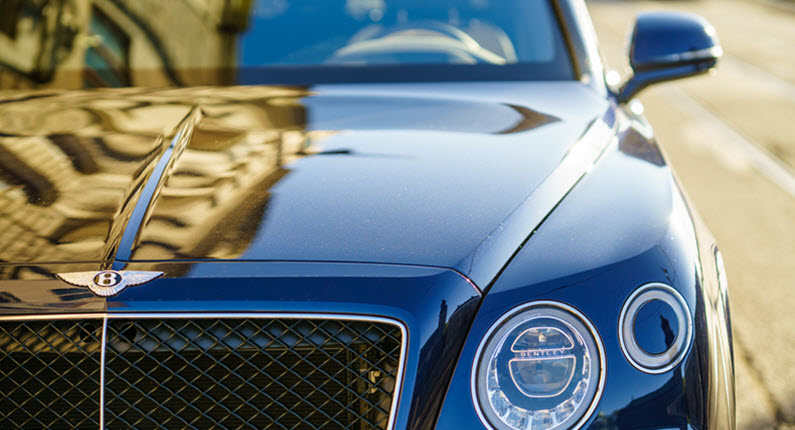
As a Bentley owner, you want to maintain your car’s style, durability, and excellent condition to have a smooth and enjoyable driving experience. To ensure this, it comes with responsibilities and tasks that you must intentionally make to keep your Bentley functioning as designed by the manufacturer. Let’s take a closer look.
Possible Issues that Your Bentley can Develop
- Difficulty in Regular Maintenance: Although all vehicles require routine maintenance, the Bentley Continental GT is unique. The problem is that there isn’t enough space in the engine compartment to easily access various components, like a spark plug. As a result, even for routine maintenance, you must hire the services of an expert mechanic.
- Failure of a Power Window: Another common problem with the Bentley is that the power windows occasionally stop working. The hissing sound produced by windows is a prevalent symptom of this problem. If your car makes this noise, replacing the motor can resolve the problem. In the worst-case scenario, the entire unit may need to be completely replaced.
- Failure of the Brake Light: One of the most common problems with the Bentley is the brake light failure. Although this issue is quite common with this brand, it is good to know that it is simple and quite easy to replace the brake light. In most cases, replacing the entire unit is required to resolve the problem, but it can be done quickly.
Some Maintenance Rules to Keep Your Bentley Reliable
Filters should be cleaned or replaced on time
The air filter in your engine is very important. This filter aids in the removal of dust, dirt, and debris. These particles accumulate in your engine and can clog up parts, especially when mixed with oil. A blockage may occur if the filter isn’t cleaned or replaced. This may result in a reduction in the performance level of your Bentley. The filter should ideally be white or a little bit off-white. If it appears to be dirty, it is time to replace it. A clogged filter can reduce your Bentley’s horsepower and efficiency.
Change the fluids on time
Any engine’s fluids must be full and clean for it to run reliably and efficiently. The coolant, engine oil, steering oil, transmission oil, and engine oil should all be full and clean. Aside from that, these oils should be changed after your vehicle has been in use for a certain number of miles or the car sits for months without driving it. We recommend you visit our qualified specialists for regular inspections of your Bentley.
Tire Inspection and Maintenance
Understanding the right way to maintain the pressure of your car’s tire can help to reduce tire wear and ensure you get good gas mileage. Finding the recommended pressure, measuring the PSI, and deflating or inflating your car tires are all part of checking your tire pressure.
When your car has a low or flat tire, it poses some danger that can threaten you and your vehicle. There are several preventative measures you can take to avoid a blowout, such as having your tires rotated every 5,000 to 10,000 miles and keeping an eye out for tire recalls.
Conducting Periodic Checkups
Some routine car maintenance tasks can be completed at home, but others necessitate the services of a trained technician. If the check engine light comes on, bring your Bentley to our mechanics who are trained and experienced. We will detect the problem using the onboard diagnostics (OBD-II) port on your car.
Other critical components, such as the alternator and wheel bearings, can also be inspected and replaced by our qualified repair shop. Regular tuneups will help ensure that other maintenance items on your vehicle are repaired as well.
Also, maintain your Bentley in good condition by washing your car, frequently checking your brakes, and checking your car belts, hoses, and fluids.
Encore Motorcars: Your Bentley Experts

* Bentley Car image credit goes to: nrqemi.
At Encore Motorcars, we are a team of experienced automobile technicians who are dedicated to the overall well-being of your car. With our experienced and skilled technicians, we have built a broad customer base in the areas of Bradenton, Ellenton, Nokomis, Osprey, Parrish, Venice, Lakewood Ranch, Longboat Key, Siesta Key, University Park, and Sarasota, FL. Reach out to us today and allow us to maintain your car in its top condition.
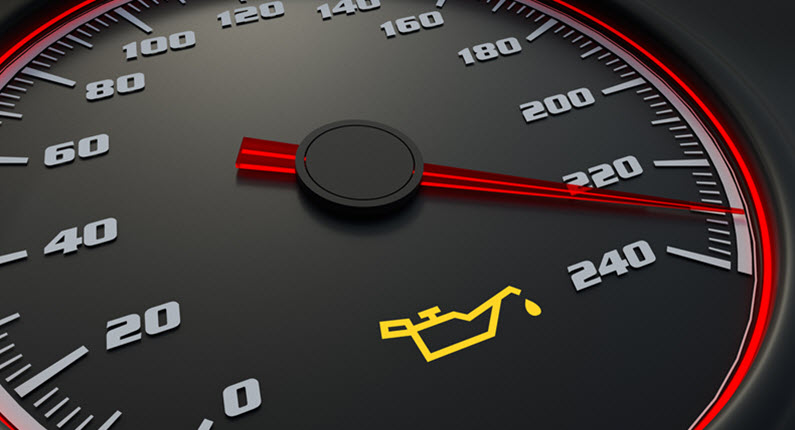
Jaguars are known for having powerful engines, but even these impressive vehicles are not immune to engine oil leaks. If your Jaguar’s engine begins to leak oil, you should address the problem right away, as even a minor leak can seriously reduce your vehicle’s efficiency. To help you with this, here are some useful tips and tricks for preventing, identifying, and fixing engine oil leaks.
Common Causes of Engine Oil Leaks
Damaged Oil Pan
Multiple parts of your vehicle’s engine require oil to function, which means that many different scenarios may lead to engine oil leaks. For example, one of the most common causes of engine oil leaks is a damaged oil pan. As its name suggests, the oil pan holds your vehicle’s oil when it is not being circulated throughout the rest of the engine. Therefore, if the pan develops a crack, it can leak significant amounts of oil.
This often happens when a vehicle is driven over debris, as the oil pan sits at the bottom of the undercarriage and may scrape against tall objects in the road. As such, one good way to prevent oil leaks is by only driving on clear terrain.
Engine Seals
Similarly, damaged engine seals may also cause oil leaks. Your vehicle’s engine relies on a series of seals and gaskets to circulate its oil, and over time, these components may wear out due to excessive heat or pressure. Depending on which seal is affected, this can cause major amounts of oil to leak out of the engine. The best way to prevent this from happening is by regularly taking your Jaguar in for maintenance, as doing so will allow your trained mechanic to identify any damaged seals before they create a significant leak.
Too Much Oil
Finally, another common cause of engine oil leaks is excessive amounts of oil in the system. Occasionally, novice mechanics or DIYers may add too much oil to a vehicle during an oil change. Not only will this cause problems for the engine, but it will also likely result in an oil leak, as the excess oil will have nowhere to go and will be forced out of the system. As such, you should only take your vehicle to mechanics you can trust, and you should always carefully follow your vehicle’s manual when refilling its oil yourself.
Identifying and Fixing the Problem
Unfortunately, engine troubles can sometimes be difficult to prevent, and your Jaguar’s engine may eventually spring an oil leak. In this instance, it is important to identify and fix the problem as quickly as possible.
- Puddles: One of the best ways to identify an oil leak is by searching for oil puddles in your garage, driveway, or other regular parking spots. If you see oil in any of these places, then it should serve as a surefire sign that your engine has sprung an oil leak and needs repairs right away.
- Refilling Often: In addition, another common symptom of engine oil leaks is an increased need for oil refills. If you find that you are needing to top off your Jaguar’s oil surprisingly often, then you should have a mechanic make sure that the oil isn’t spilling out of the system. This applies even if you do not notice any oil puddles in your regular parking spots, as certain oil leaks may trickle into other parts of your vehicle instead of onto the ground.
Ultimately, if you notice either of these symptoms, you should have the problem addressed by an experienced technician. Depending on the source of the issue, the repairs needed to fix it may be quite complex, and attempting to solve it yourself might only cause more damage. Instead of risking this, bring your vehicle to our licensed mechanics, as we will be able to resolve the situation safely and efficiently.
Encore Motorcars Will Help

Whether your Jaguar has developed a minor engine
oil leak or a major one, Encore Motorcars is here to help. Our talented team is full of experienced auto technicians, and we are proud to serve as the leading import auto repair shop for Bradenton, Ellenton, Nokomis, Osprey, Parrish, Venice, Lakewood Ranch, Longboat Key, Siesta Key, University Park, and Sarasota, FL.
We’d love to help you keep your luxury vehicle running in top condition, so give us a call today or stop by the shop to find out what we can do for you.
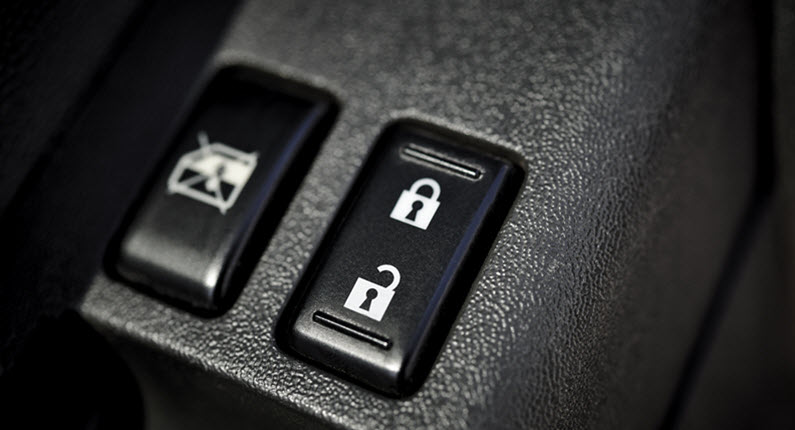
Mercedes Benz is regarded as one of the most luxurious and reliable vehicles, which is why they are among the most expensive vehicles and can cost you at least a tidy sum if you choose to own one. That’s why it’s important to keep it in good shape, because if something goes wrong with it, you’ll have to spend a lot of money to get it fixed.
However, no matter how much time you put into maintaining it, well-built cars like Mercedes are susceptible to common issues, one of which is vacuum door lock failure.
What’s vacuum door lock technology?
Mercedes was the first to introduce the vacuum door lock feature. It’s a vacuum-based system that lets you lock all of the car’s doors at once. This technology also serves as an anti-theft device, prohibiting unauthorised access to your vehicle.
Furthermore, when the door lock is in use or operational, all of the car’s other locks are pressurised at the same time and remain that way until the master lock is released.
In the case of a mechanical failure, the vacuum pressure that keeps the doors locked releases, allowing anyone to enter your vehicle. As a result, if such an incident occurs, you must have it repaired as soon as possible to avoid theft.
Fixing a Failed Vacuum Door Lock
A conventional solution for a failed vacuum door lock repair is to call a mechanic, but you may alternatively want to handle it on your own without any issues. All you need to do is open the hood of your car and disconnect the three key lines that are responsible for connecting the vacuum.
Try blowing and sucking the air out of the key lines one at a time to see if they’re in good shape. If you can do it, it signifies your car’s line is shot and needs to be fixed right away. The lines must then be vacuumed and replaced by hand. If this sounds too much, please bring your Mercedes to our specialists.
Symptoms of a Failing Vacuum Door Lock
A vacuum door lock’s failure isn’t something that happens out of nowhere. You’ll notice specific signs that indicate a problem with the locks. The main indication is that the door locks will begin to malfunction one by one. If you notice any of these signs, you can be confident your vacuum door lock has begun to fail.
Other important indicators to watch for include irregularly locking doors, difficulty unlocking doors, and strange squeaky noises emanating from inside the door. If you witness any of such signs don’t delay in setting an appointment with your mechanic.
Reasons For Vacuum Door Lock Failure In Mercedes
Some of the most common reasons for vacuum lock door failure are:
- Leaking Actuator: The actuator is the component of your vehicle that operates the door locks. A separate actuator is required for each door. You’ll have problems locking and unlocking your door if there’s a leak. It can be easily repaired. However replacing it is a better alternative and is not too expensive.
- Vacuum Pump Failure: A vacuum pump’s primary function is to create a vacuum that causes the lock mechanisms to move. If your Mercedes vacuum pump fails, locking and unlocking the door will be difficult.
- Poor Wiring: The vacuum pump is located at the base of the passenger seat, which you can move forward and backwards to ensure a comfortable posture. The vacuum pump’s wiring may become disconnected as a result of the seat’s continual movement. Besides, the wires can also wear out due to moisture and get loose and unattached from the vacuum pump.
Encore Motorcars is Always Ready to Service Your Mercedes Benz

Every Mercedes-Benz owner wants easy accessibility to an auto repair shop that is familiar with all types of problems that a vehicle owner may encounter.
Encore Motorcars has that covered for you, because we have all of the necessary experience, tools, and expertise with European models to properly diagnose the problem in your vehicle.
We are located in Sarasota, Florida and serve Bradenton, Ellenton, Nokomis, Osprey, Parrish, Venice, Lakewood Ranch, Longboat Key, Siesta Key, University Park. Please give us a call or stop by our shop and let us treat your Mercedes to our expert repairs and service.
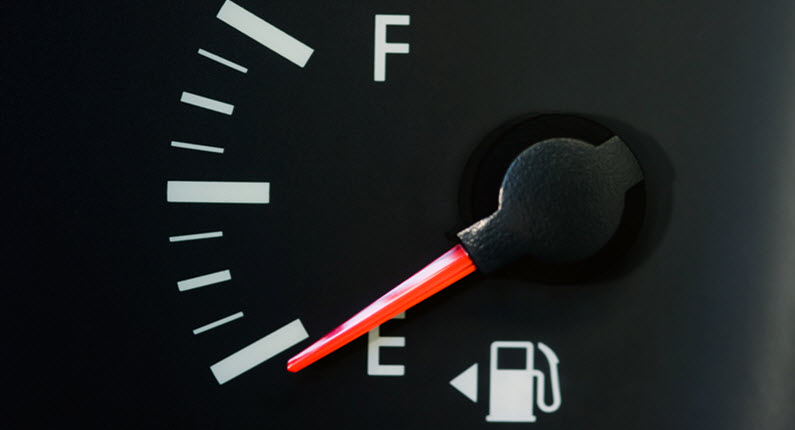
A fuel gauge is one part of a vehicle that determines its fuel efficiency. However, a faulty fuel gauge in your MINI vehicle could also be a potential safety risk. MINI vehicles are high performing, and one of the most efficient in fuel consumption in its class. You won’t be buying gas very often if you own one of these cars. Therefore, you might soon become accustomed to ignoring your fuel gauge for long periods before refilling. Since fuel efficiency is one of their major advantages, it could be disappointing to discover a fault in the fuel gauge.
All car parts can fail, therefore, if your fuel gauge doesn’t accurately display the gasoline level, you’ll require help. Let’s take a quick overview to discover the potential problems in a MINI’s fuel gauge breakdown and how to fix them.
Look for These Signs of a Faulty Fuel Gauge
A faulty fuel gauge can present itself in many ways. One indicator is when the needle reading is fluctuating. The gauge will not measure the correct level if it displays full one minute and then suddenly drops below half in a short while.
The gauge could also get stuck at either empty or full level. This is usually because the arm attached to the float has become trapped and is no longer moving, but it might also be due to other factors. All of these symptoms should lead you to believe that one of the fuel gauge’s components is malfunctioning.
Possible Causes Of Mini Fuel Gauge Failure
A malfunctioning fuel gauge could be the outcome of a variety of issues. Your MINI’s fuel gauge issue could be caused by any of the following:
Electrical Problem
Electrical issues in any vehicle are rarely straightforward. There could be a circuit problem, an instrument cluster malfunction, or a fuel gauge failure. Electrical issues are typically difficult to diagnose, which makes them even more difficult to resolve.
In the case of a circuit problem, the issue could be with the connections to any of the system’s components. The gauge reading might be affected by loose connections and rust. If there is a failure in the internal circuit, the gauge may become trapped in one of two states, either full or empty, or only function within a specific range. Finally, if an instrument cluster component fails, it is unlikely that it can be repaired and will need to be replaced.
Fuel Sending Unit
The sending unit, which is located in your gas tank, is connected to the fuel gauge on your dashboard. The gauge reads the sending unit’s signals and shows the correct fuel level on the meter. The sending unit is a component that floats on the fuel in your gas tank. When the fuel level floats the sending unit up and down, an electrical component conveys that information to the gauge. This information tells it where to place the needle which indicates your fuel level.
Whatever may be the source of your malfunctioning fuel gauge, it is a serious issue that should not be overlooked. Some drivers ignore the fuel gauge issue and try to refill regularly. You may forget to refill and end up stranded in the middle of nowhere. This means that a defective fuel gauge is a potential safety risk that must be addressed immediately.
Encore Motorcars Can Fix Your Faulty MINI Fuel Gauge

Our MINI specialists at Encore Motorcars have addressed fuel gauge issues for drivers throughout Sarasota, Bradenton, Ellenton, Nokomis,
Osprey, Parrish, and Venice, FL. We also render services to neighbouring areas like Lakewood Ranch, Siesta Key, Longboat Key, and University Park, FL. We are a full-service repair shop for German brands, Asian imports, and exotics cars with the most up-to-date diagnostic instruments and equipment.
It can be disturbing not to know exactly how much fuel is in your MINI. Even though these models are well designed, fuel gauge failure could sometimes be an issue. If you find that your MINI’s fuel gauge does not work properly, or if you remember having filled it with gas but now see that it is empty, give us a call to schedule an inspection. Your safety and the effective operation of your MINI is our top concern!
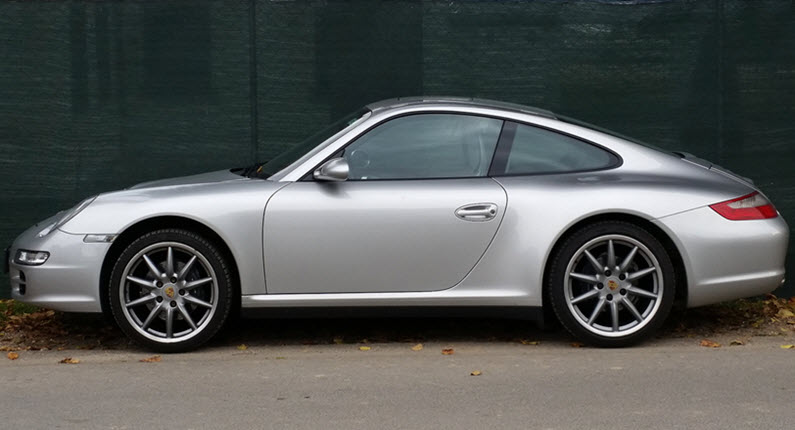
If you have concerns or questions about your Porsche IMS bearing, you are not alone, as other other Porsche owners have faced this same problem. The Porsche IMS bearing troubles have caused issues in these engines for numerous years and are well known to most (if not all) Porsche 911 owners.
The Purpose of an IMS Bearing
The IMS, or InterMediate Shaft, bearing is the supporting bearing of the shaft in the engine. It’s purpose is to reduce the speed of the chains around the crankshaft on the flywheel end of the motor. This allows for a longer lifespan of your engine’s parts. The problem is not with the intermediate shaft but the gears at the ends of the shaft which run from the front of your engine to the back of it. There are bearings that are at the ends of these gears that allow them to rotate with the engine’s produced torque. When these bearings become faulty, the intermediate shaft can no longer do its job.
The main reason these bearings fail is due to a lack of lubrication and breakdown due to extreme heat conditions. Let’s take a closer look.
Reasons for IMS Bearing Failure
A variety of circumstances can cause IMS bearing failure, and it is typically the result of a combination of them. It’s difficult to say with certainty the actual rate of failure of these IMS bearings. A lack of lubrication paired with a high load, resulting in overheating, is the most common cause of IMS failure.
The steel will shatter as a result of the overheating, resulting in a pit. When this happens, the smooth design of the bearing wears out much faster and fails far sooner than it should. If this occurs, it can result in catastrophic engine damage and thousands of dollars in repairs, which is why it is often at the crux of the Porsche community forums.
You can see why it is vital to keep an eye out for warning signs. If your bearing is failing, you may detect metal debris in the oil filter, have an oil leak towards the back of the engine, or hear a pounding sound coming from the motor.
The failure rate of these original bearings can be as high as 10% after 90,000 miles on average. While some IMS bearings can degrade around 3,000 miles, they can also last for hundreds of thousands of miles. Routine maintenance and proper inspections by Porsche specialists is the key to keeping an eye out for this problem and preventing it before it becomes a problem.
How to Minimize the Risk of Failure
The best strategy to prevent an unexpected failure is to replace the IMS bearing unit. However, this is not necessarily the most cost-effective option.
The IMS bearing is accessible in 1997 to 2005 engines and may be replaced without dismantling the engine. However, in 2006 to 2008 models, the IMS bearing is not easily accessible, and 0the engine must be disassembled to replace it. The best way to ensure that the bearing is healthy is to keep it adequately lubricated and cooled to extend its lifespan.
Encore Motorcars: #1 Maintenance and Repair Center for Sports Vehicles

* Porsche 911 Carrera Car image credit goes to: Streager.
On the internet, there is a lot of contradicting and misleading information concerning the Porsche IMS bearing. Contact us here if you’re still unclear about what to do to maintain your Porsche in top condition. Our mechanics are knowledgeable in the situation and can assist you in determining what needs to be accomplished to avert potential issues that can cost thousands down the road.
Encore Motorcars understands that it may be a major source of aggravation and stress when the IMS bearing fails. As a result, we strive to make the repair procedure as painless as possible. Porsche owners in Ellenton, Nokomis, Osprey, Parrish, Venice, Lakewood Ranch, Longboat Key, Siesta Key, University Park, and Sarasota, FL have relied on our qualified experts for many years.
We want to help you keep your foreign car operating smoothly and securely, so give us a call or come in to set up an appointment for an inspection and any necessary repairs.
HOW TO HANDLE A LOUD RATTLE IN AN ACURA IN SARASOTA

Rattling noises in or on your car can be unnerving to say the least and can be caused by a wide number of issues. Perhaps you only hear the rattling when you first start your vehicle, or only what you’ve stopped. The rattle may only occur when accelerating, decelerating, hitting bumps, turning or it might be constant. Whatever the cause is, you undoubtedly want to correct the issue right away.
While some rattles may be due to minor, easily fixed issues, others might be symptomatic of much more serious problems that only a mechanic should tackle. Read on to try to get to the bottom of the rattles on your vehicle.
Where is the rattling noise coming from?
The first thing you’ll want to do is to narrow down the exact location of the rattling. There are four main areas, and if you can figure out which area the sounds are coming from, you can be that much more informed.
The four main areas of your vehicle are as follows:
- underneath your vehicle
- inside the wheel wells
- under the hood
- inside your vehicle
Loose Exhaust System
The exhaust system on your vehicle runs from your engine all the way to the rear of your vehicle. It is composed over several different components including the catalytic converter, sections of the tailpipe, and the muffler. As time passes, the parts can become worn down and the joints that hold them into place can loosen causing rattling noises from underneath your vehicle.
You might notice that the rattling seems to be coming from under the vehicle rather than the tailpipes themselves. Furthermore, if your exhaust system is loose, it may bang against the underside of your vehicle causing a momentary rattle.
Bad Catalytic Converter
When speaking of exhaust systems, the catalytic converter could also be responsible for the rattling you hear. The job of the catalytic converter is to convert toxic gas and pollution into less dangerous substances. This device can either be damaged by thermal shock or impact, both of which can lead to broken and rattling parts. A faulty catalytic converter could either be a slight rattle noise or extremely loud. Aside from any obvious rattling, another sign of a bad catalytic converter could be a warning light in your dashboard.
Loose Heat Shielding
Due to increasing emissions regulations, engines and exhaust systems must operate at higher temperatures than before. This increase in temperature means that heat shielding has had to be added to exhaust components like catalytic converters, mufflers, and exhaust pipes. This shielding is designed to reflect extreme heat away from the bottom of your vehicle. Made of thin pieces of metal, heat shielding is located between your exhaust system and the underfloor of your vehicle. Over time, this shielding can rust out or become loose and rattled against other parts.
Inside the Wheel Wells
Your vehicle’s suspension system contains many different components which include the springs, struts, sway bars, and links. Your steering system is also an important part of your suspension system. Over time wear and tear can cause any of the parts to become rusted and/or loose which could lead to shaking and rattling. Other parts that end up causing rattling noises include your brakes, your wheels, and your tires.
Under the Hood
If the oil level in your vehicle gets too low, your oil pump may end up sucking in air and sending through the engine with any remaining oil. This can cause either a ticking or rattling noise from your engine.
Another source of rattling from under the engine could be due to low-octane fuel. Low octane fuel can cause carbon deposits, a bad knock sensor, overheating, or incorrect ignition timing. Another result of low-octane fuel could be rattling.
Inside the Vehicle
Rattling noises that are coming from inside your vehicle may be less serious than exterior rattling but just as annoying. If you only hear the rattling when you hit a bump or go around a tight curve, it’s likely that the rattling is coming from an area that opens and closes, such as your glove compartment, doors, or interior storage areas like the console.
Where to Take Your Vehicle in Sarasota

* Acura Car image credit goes to: Vicky Gosselin.
If you can’t locate or fix the rattling on your own and you live in the Bradenton, Ellenton, Nokomis, Osprey, Parrish, Venice, Lakewood Ranch, Longboat Key, Siesta Key, University Park, or Sarasota, FL areas, stop by Encore Motorcars so our experts can take a look at your Acura to resolve the rattling noise.
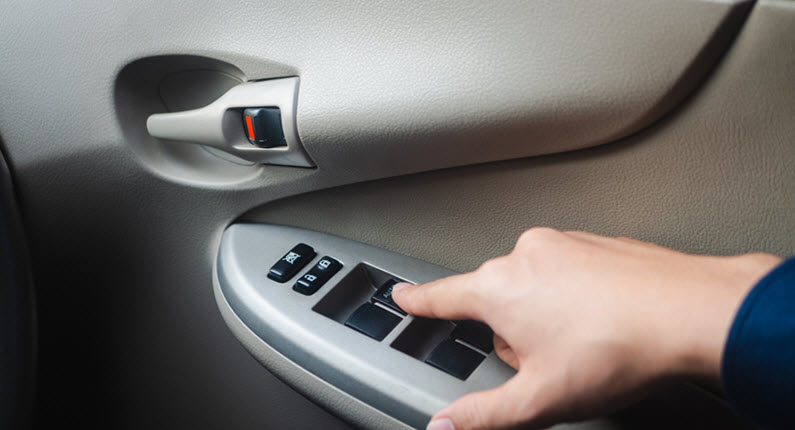
Power windows were first introduced in the 1940s, and decades later, it was clear that they were here to stay. Back when they were introduced, they were a sign of luxury in a car, and it seemed to solve the problem of handles of the window winders breaking.
Power windows were first implemented in Mercedes cars in 1971, and as of today, you would hardly find any Mercedes, or any modern car for that matter, without a power window. Even though they were meant to solve the problems that came with the hand-rolled windows, power windows came with problems of their own and are still quite susceptible to faults.
Depending on what model of Mercedes Benz you own, your particular car might be more likely to have issues with its power windows. In such cases, the window regulator is the plausible culprit.
The window regulator assembly is the component that raises or lowers the window when the power window button is pressed. Usually, when one of its components is faulty, the whole window regulator has to be changed.
Symptoms of a Faulty Window Regulator
Here are some signs you might notice when your window regulator is about to give out on you.
- Unresponsive Power Button: Perhaps the first and most prominent of the signs is an unresponsive power button. You might find that you have to press the window button more than once before the window starts moving. In the event of that, you should probably go and have your car checked.
- Slower or Faster Window Speed than Usual: The power windows are designed to move up and down at specific speeds, mainly to prevent damage in the process. When the window moves faster or slower than normal, it could be a result of electrical damage in the window regulator assembly, and it is best to have it checked out.
- Odd Noises When the Window Rolls: You might also hear odd noises such as clicking, grinding or screeching when rolling your windows. This can be due to the window being displaced from its natural position or a dirt buildup in the window regulator. This can be quite dangerous if not fixed quickly, as it can shatter and injure people in the process.
- Window Doesn’t Stay in Place, or It Looks Crooked: The window regulator is also what helps hold the window in place. When it starts to get faulty, it can no longer do its job, and the window rolls back down, even when you roll it up. You might also notice that the window looks crooked when in place. This is also a sign of a faulty window regulator.
Apart from window regulators, power window problems can also be caused by power window buttons/switches and electrical connections. You must have it checked by experienced, certified mechanics who can diagnose and fix the problem.
While power window problems can seem inconsequential, you are still advised to get it checked by professional mechanics to avoid injury and damage to your car upholstery from the elements.
Encore Motorcars: Leaders in German, Exotic, & Asian Import Auto Repairs & Service

If you live in the Sarasota area, you can get your power window checked for window regulator failure and get it fixed for an affordable fee.
At Encore Motorcars, we recognize that repairing your car is supposed to be less of a hassle and more of a relief, which is why we are committed to making car maintenance and repairs more convenient.
In all our years of providing service in Sarasota, FL, quality has always been a consistent mark in our work. This can be seen in the smiles left on the faces of previous customers.
Encore Motorcars is a family-owned auto repair business specializing in late model luxury brands like Mercedes, Jaguars, Porsches, etc. Our team of experienced ASE-certified mechanics working with state-of-the-art equipment can identify the problem and resolve it with as little stress on you as possible.
We are located in Sarasota, FL. We also offer services to drivers throughout surrounding areas and cities, including Bradenton, Ellenton, Nokomis, Osprey, Parrish, Venice, Lakewood Ranch, Longboat Key, Siesta Key and University Park. Kindly call or visit our shop to book an appointment.

As a premium automaker, Rolls Royce uses high-end components for their vehicles, including the suspension system. A car’s suspension is what makes the ride quality good (or bad) and greatly influences the handling. The suspension serves to absorb the vibrations, bumps, and even potholes from the road, making the ride much more comfortable for you.
It also serves to make your drive safer, considering that the system helps keep the tires in contact with the ground and prevent the vehicle from being tossed around from everyday road hazards. Without suspension, your vehicle would be very uncomfortable and difficult/dangerous to drive, as every bump on the road would be felt and might even unbalance the car.
Rolls Royce often uses air suspension, which has a much smoother feel going over imperfections in the road as compared to traditional suspensions. Further, air suspension is easily adjusted so that your ride quality can be more comfortable or more rigid for more performance-oriented driving. This is in contrast to a typical suspension setup, which is normally not adjustable and made of heavier steel components.
Although air suspension is a luxury item, it is not without fault, and it is important to have your air suspension serviced to avoid problems. Let’s go over some signs of suspension trouble, possible causes for said trouble, and what you can do about it.
Rolls Royce Suspension Problems
If your Rolls Royce’s air suspension is faulty, you might literally notice one side of the car is lower than the other. This is because components on one side of the vehicle have failed and are no longer supporting that side of the vehicle, drooping down. This can also occur on the front or back of your Rolls Royce. It is also important to note that the entire vehicle might appear lower to the ground than it used to be.
Another sign is that your ride quality has deteriorated. For example, you might feel the bumps on the roads more than you used to, and the overall feel of the car while driving is more rough and unstable. Note, however, that this can also be a sign of worn tires, so it is important to get a comprehensive inspection to make sure the proper problem is identified and remedied.
Air suspension requires a compressor to work, and if said compressor malfunctions, the suspension might as well. You might be able to hear the compressor running constantly or be unable to hear it at all. If you are unsure what the compressor sounds like for your air suspension, it is no problem as this is something a trained technician can assess at a professional service center.
Inspection of the suspension might also reveal broken pieces, such as rubber, that leads to leaks in the system and hence deflation of your suspension. The air bags themselves might even be punctured. Of course, inspecting a suspension is not something easily done in your driveway, as you often need to raise the vehicle to get a proper look and/or remove components for replacing. This is why it’s a good idea to find a reputable service center to help you maintain your Rolls Royce’s air suspension and keep you riding both safely and in style.
Encore Motorcars for Your Rolls Royce Suspension Service

Encore Motorcars is an award winning sales, maintenance, and repair center in Sarasota, FL. We not only serve Sarasota but also the surrounding areas of Bradenton, Ellenton, Nokomis, Osprey, Parrish, Venice, Lakewood Ranch, Longboat Key, Siesta Key, and University Park, FL.
We are a family owned business with ASE certified mechanics that have decades of experience with import and exotic vehicles. We understand how important your vehicle is and the care needed to properly maintain it.
Almost all extended warranties are accepted, and free rental cars are provided if your vehicle is not finished the same day. Additionally, all vehicles receive a free car wash after service.
To schedule an appointment, call us at 941-922-6337. Our address is 6000 S. Tamiami Trail, Sarasota FL 34231. We are open Monday through Thursday from 8:00AM to 7:00PM, Friday from 8:00AM to 6:00PM, Saturday from 8:00AM to 5:00PM and Sunday from 11:00AM to 4:00PM.
Connect with us


- June 2026
- May 2026
- April 2026
- March 2026
- February 2026
- January 2026
- December 2025
- November 2025
- October 2025
- September 2025
- August 2025
- July 2025
- June 2025
- May 2025
- April 2025
- March 2025
- February 2025
- January 2025
- May 2024
- March 2024
- February 2024
- January 2024
- December 2023
- November 2023
- October 2023
- September 2023
- August 2023
- July 2023
- June 2023
- May 2023
- April 2023
- March 2023
- February 2023
- January 2023
- December 2022
- November 2022
- October 2022
- September 2022
- August 2022
- July 2022
- June 2022
- May 2022
- April 2022
- March 2022
- February 2022
- January 2022
- December 2021
- November 2021
- October 2021
- September 2021
- August 2021
- July 2021
- June 2021
- May 2021
- April 2021
- February 2021
- January 2021
- December 2020
- November 2020
- October 2020
- September 2020
- August 2020
Archives
- Acura Repair
- Aston Martin Repair
- Audi models
- Audi Repair
- Bentley Repair
- BMW Repair
- Bradenton Used Cars
- Car Maintenance
- Encore Motorcars of Sarasota
- Encore Motorcars of Sarasota Service
- Infiniti Repair
- Jaguar Repair
- Jeep models
- Land Rover models
- Land Rover Repair
- Lexus Repair
- Luxury Car Repair
- Maserati Repair
- Maybach Repair
- Mercedes Repair
- MINI Repair
- Naples Car Dealership
- Porsche Repair
- Rolls Royce Repair
- Sarasota Car Dealership
- Sarasota Car Repair
- Uncategorized
- Used Mercedes-Benz
- Volkswagen Repair