


Audis are a popular choice for many drivers because they offer a luxurious ride without the high price tag of other luxury brands. In addition, Audis are known for their excellent safety ratings and their wide range of features. For example, many Audi models come standard with quattro all-wheel drive, which provides superior traction in all weather conditions. Additionally, Audi vehicles are equipped with a variety of advanced safety features, such as lane departure warning and adaptive cruise control. These features not only make driving easier and safer, but they also add to the overall pleasurable driving experience that Audi owners enjoy. As a result, it’s no surprise that Audis are one of the most popular vehicle choices on the road today.
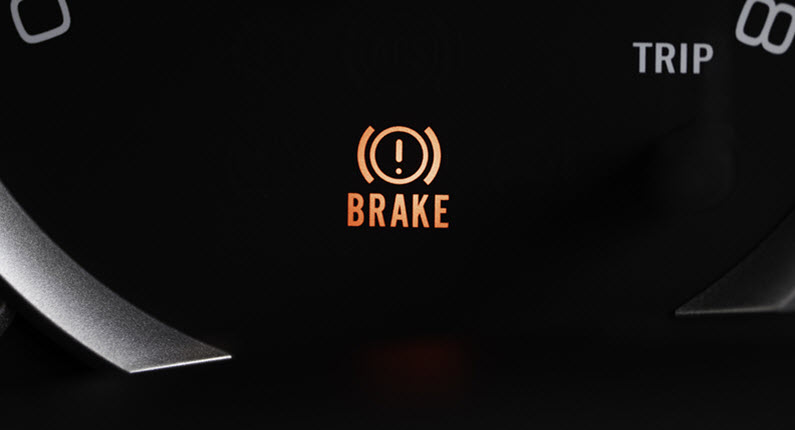
Your Audi’s braking system is one of the most important safety features on your vehicle. It is important to be aware of how your brakes should feel and sound when they are working properly so that you can identify any issues early on. If you notice any changes in the way your brakes feel or sound, it is important to have them checked out by a certified Audi technician as soon as possible. Ignoring potential brake problems can lead to serious safety concerns down the road. Therefore, it is always better to err on the side of caution and have your brakes checked out at the first sign of trouble.
Common Signs of Brake Trouble in an Audi
Brakes are designed to slow or stop a car when the driver applies pressure to the pedal. However, over time, brakes can wear down and become less effective. As a result, it is important to be aware of some common signs of brake trouble. One telltale sign is a change in the feel of the pedal. If the pedal feels spongy or soft, it may be an indication that air has gotten into the lines. Another common issue is a grinding noise when the brakes are applied. If these symptoms are left unaddressed, it could eventually lead to more serious damage or even failure of the braking system. Therefore, it is important to have any suspicious noise or feelings checked out by a qualified mechanic as soon as possible. Ignoring brake problems can lead to accidents, injuries, and even fatalities.
Brake Problems
Brake problems are one of the most common issues that mechanics see in their shops. There are many different things that can cause brake problems, and it is important to have your brakes checked regularly to avoid major issues. Some of the most common brake problems include worn pads, leaky hoses, and corroded rotors.
Worn pads are the most common issue, and it is usually caused by simple wear and tear. The pads work by pressing against the rotors to generate friction, and over time, they will slowly wear down. If you let the pads wear too low, they can start to damage the rotors, so it is important to replace them before they get too thin.
Leaky hoses are another common problem, and it is usually caused by a loose connection or a hole in the hose. Hoses are responsible for carrying brake fluid from the master cylinder to the calipers, and if they are leaking, it can cause brakes to feel spongy or unresponsive. Inspect all of your hoses regularly for leaks, and be sure to fix any leaks as soon as possible.
Corroded rotors can also cause brake problems. Rotors can become corroded if they are exposed to moisture or road salt, and this can make them less effective at generating friction. If your rotors are corroded, you may notice that your brakes squeal or vibrate when you press them down. In severe cases, the rotors may even crack or shatter completely. To prevent corrosion, be sure to clean your rotors after every ride and keep them dry. You may also want to consider using a corrosion-resistant coating on your rotors to protect them from the elements.
Encore Motorcars: Audi Brake Experts

Encore Motorcars is the only place you should take your Audi for brake repairs. We have a team of highly trained technicians who are experts in Audi brakes. We use the latest diagnostic equipment to find the source of the problem quickly and accurately. We only use OEM parts for all of our repairs, so you can be sure that your brake repair will be done right. If you live in or around Bradenton, Ellenton, Nokomis, Osprey, Parrish, Venice, Lakewood Ranch, Longboat Key, Siesta Key, University Park, or Sarasota, FL and you are experiencing any problems with your brakes, please bring your Audi to Encore Motorcars for a free inspection.
As Bentley is a luxury automobile, the factory maintenance schedule is designed to keep your Bentley model running smoothly and efficiently for years. This rigorous schedule includes regular oil changes, tune-ups, and inspections by certified Bentley mechanics. Bentley recommends that owners follow the schedule closely to ensure their model stays in top condition and all systems functioning as designed.
If you don’t follow the owner’s manual and the factory maintenance plan, here are some problem that can occur:
Your Bentley May Not Run As Efficiently, Costing You Money In Fuel Costs
One of the most important things you can do to keep your Bentley running smoothly is to regularly maintain it, and this includes checking the fluids and making sure the tires are properly inflated. Neglecting to do this can end up costing you money at the fuel pump. That’s because an inefficient engine has to work harder to generate the same amount of power, which means it uses more fuel. In addition, poorly-maintained tires can create drag, resulting in lower fuel economy. So if you want to save money on fuel, make sure to keep your Bentley well-maintained as described in your maintenance schedule.
You May Void Your Warranty If You Don’t Follow The Schedule
It’s important to keep up with factory maintenance if you own a Bentley because if you don’t, you could void your warranty. Factory-scheduled maintenance is required to keep your Bentley warranty valid. This must be performed at an authorized Bentley mechanic, and it must be completed within 12 months or 12,000 miles of the recommended interval, whichever comes first. If you don’t keep up with factory maintenance, you could be left paying for expensive repairs yourself. So make sure to stay on top of scheduled maintenance to avoid any surprises down the road.
Avoid Problems with Proper Maintenance
Bentley factory maintenance can solve a variety of problems that may arise with your model. First, routine factory maintenance can help to identify potential problems early on, before they have a chance to cause major damage. By catching issues early, factory maintenance can save you time and money in the long run.
Additionally, factory maintenance can help to keep your Bentley running smoothly and efficiently. Regular tune-ups and oil changes can help to prolong the life of your car, and prevent expensive repairs down the road.
Finally, factory maintenance can provide peace of mind, knowing that your car is in good hands. With factory-trained technicians who are familiar with Bentley models, you can be confident that your car is receiving the best possible care. Whether you need a simple oil change or a more complex repair, factory maintenance is the best way to keep your Bentley running like new.
Your Bentley May Not Pass Emissions Tests
Emissions from vehicles are a leading cause of air pollution, which can have serious consequences for public health. That’s why many countries have emissions standards that all vehicles must meet in order to be driven on public roads.
If you own a Bentley car, it’s important to make sure that it is properly maintained so that it will pass emissions tests. Neglecting factory maintenance can lead to increased emissions, and you may be required to get your car repaired or even pay a fine if it doesn’t pass the test. Taking care of your Bentley will not only help protect the environment, but it will also ensure that you can continue to enjoy driving your luxury car.
Encore Motorcars: Your Bentley Master Mechanics

* Bentley Car image credit goes to: imagefactory-studio.
Factory-scheduled maintenance is essential to the longevity and proper functioning of your Bentley. During factory-scheduled maintenance,
our trained technicians will inspect, clean, adjust, and replace any parts that are wearing out or not working correctly. This allows us to catch small problems before they become big ones, and it keeps your car running at its best.
Skipping factory-scheduled maintenance can void your warranty and end up costing you more in the long run. So make sure you keep up with your maintenance in order to protect your investment and avoid costly repairs down the road. Visit us at Encore Motorcars if you are in and around Bradenton, Ellenton, Nokomis, Osprey, Parrish, Venice, Lakewood Ranch, Longboat Key, Siesta Key, University Park, or Sarasota, FL. We welcome you and are eager to earn your business!

Acura was the first luxury car brand designed and manufactured in Japan. The brand has, over the years, maintained its standing as one of the most reliable car brands in the world. In this article, we will look at one of the important components of an Acura: the gearbox.
The Gearbox System in an Acura
The gearbox is the part of your car that transmits the power from the vehicle engine to other parts of the car so that the car can move. The two types of gearboxes, namely the manual gearbox and the automatic gearbox system.
- Manual gearbox system: This type of gearbox is used in cars built with an internal combustion engine. Gear is selected in the manual system with the use of a gear stick. Hence, the name manual gearbox system.
- Automatic gearbox system: The automatic gearbox automatically changes the gear ratio as the car is in motion without the driver changing it manually.
Symptoms of Gearbox Complication in your Acura
- Whining and clunking sound: You may notice a low humming, whining, or buzzing sound when you change the gear. Sometimes, the sound may rise to a loud clunking sound.
- Failure of the car to respond: If your car fails to respond after engaging the gears, it could be a sign of a gearbox problem. If you use an automatic gearbox, you would notice a delay when you put the gear in the drive or park. While in the manual system, the engine RPM would increase when the gear is shifted, but the car would not move as far as it should.
- Burning smell: The parts of your gearbox are usually cooled and greased by transmission fluids so that they do not wear out or eventually become damaged. Sometimes this fluid may overheat, or you may be using bad fluid; this would cause the transmission system to overheat and mostly corrode. If this happens, you would notice a burning smell.
- Fluid leak: Sometimes, problems in the gearbox of your Acura may be evident from leakage of the transmission fluid from the system.
- Grinding gears: If you hear a noise or you notice a grinding feeling from the vehicle when the gear is shifted, this is a signal that the gearbox needs to be either adjusted or replaced. In the automatic transmission, you would notice a delay, or the transmission would start to shake.
- Noise from the engine when in neutral: When you notice a jerk or a bumping sound when your vehicle is in neutral, this could be a result of problems in the gearbox.
- Check engine light: The check engine comes up when there is an underlying problem in your car, such as a transmission system problem.
- Slipping gears: When the gear is shifted either automatically or manually, it should remain in that position. If you notice that it shifts from its position while you are driving, that is a very big issue that must be fixed as soon as possible because it can lead to serious damage.
- Dragging Clutch: This issue occurs only in the manual system. If after you press the clutch pedal, the clutch disk refuses to disengage, this is a sign of a transmission problem because as long as the clutch is still spinning, the gear would not shift.

Causes of Gearbox Problems in Acura
Knowing the causes of problems in the gearbox would help you know and understand how to prevent your gearbox from failing.
- Low or leaking transmission fluid: When the transmission fluid level drops, this could cause serious damage to the gearbox.
- Worn-out gears: When any part of the gear wears out, it would cause a serious problem.
- Clogged transmission filter: When the transmission filter is blocked, it would prevent the transmission from flowing through to the gearbox, and this would cause serious damage.
Encore Motorcars Will Resolve Your Acura Gearbox Complications

Encore Motorcars is the best repair shop to fix any issue with the gearbox of your Acura. We will run a diagnostic check of your car gearbox to determine the cause to know what solution we would provide. Our maintenance and repair service is provided to those who live or work in Longboat Key, Bradenton, Siesta Key, Parrish, Nokomis, Osprey, Ellenton, Venice, University Park, Lakewood Ranch, Sarasota, FL.
We have the most qualified, ASE-certified mechanics whose commitment is to provide your car with the best repair and maintenance service. Apart from Acura, we also provide service to Jaguar, BMW, Porsche, Volkswagen, Mercedes, Rolls Royce, Audi, Mini, and Land Rover brands. Call us or visit our shop today to book an appointment!

Aston Martin owners have reported a number of problems with their vehicles. Among the most common issues are engine failures, transmission problems, and electrical issues. Additionally, many owners have complained about poor quality control, especially with regard to the paint and interior trim.
Aston Martin has also been criticized for its customer service, with many owners reporting long wait times for repairs and replacements. The company has been accused of using substandard materials in its vehicles, which has led to a number of safety concerns. While Aston Martin has addressed some of these issues, it continues to face a number of challenges in providing quality products and services to its customers. Let’s take a closer look at each of these.
Engine Failure
In most cases, engine failure will trigger the Aston Martin’s onboard computer to take immediate action. First, the computer will shut off the fuel supply to prevent the engine from hydrolocking. Next, it will activate the Aston Martin’s emergency brake system to bring the car to a stop. In some cases, the engine may also catch fire. Finally, it will activate the Aston Martin’s hazard lights and send a distress signal to the nearest Aston Martin dealership.
Of course, Aston Martin owners can also take steps to prevent engine failure in the first place by getting their car serviced on a regular basis and avoiding overheating. By following these simple tips, Aston Martin owners can help keep their car on the road for years to come.
Transmission Problems
Aston Martins use a unique transmission system that is different from most other cars on the market. As a result, Aston Martin owners may experience some transmission problems from time to time. However, there are a few things that Aston Martin owners can do to help prevent transmission problems.
First, it is important to have the transmission serviced regularly by a qualified Aston Martin technician. Second, Aston Martin owners should be sure to use only Aston Martin-approved fluids & filters in their car. Our mechanics are trained and certified to perform these inspections and services for your model.
Electrical Issues
Aston Martin has been battling electrical problems in its cars for years. The issues have affected all Aston Martin models, from the entry-level DB9 to the flagship Vanquish. Common problems include faulty battery sensors, melting fuse boxes, and faulty door locks. Aston Martin has issued several recalls for these issues, but the problems continue to persist. In 2014, Aston Martin even had to offer customers an extended warranty on all electrical components.
Aston Martin’s electrical problems are well-documented, and the company is working hard to find a solution. In the meantime, customers should be aware of the potential issues and make sure to keep their car’s electrical system in good repair.
Shoddy Paint and Interior Trim
Aston Martin has received reports of paint problems and interior trim issues in some of its models. The main complaint is that the paint is peeling or chipping off, and that the interior trim is coming loose. Aston Martin is investigating these reports, and is working on a fix for the problem. In the meantime, owners of affected vehicles should take them to an Aston Martin mechanic for inspection and repairs. Aston Martin may also contact owners of affected vehicles to inform them of the problem and to schedule repairs.
Customer Service from the Manufacturer
Aston Martin has been facing a number of customer service issues. One common complaint is that the company’s customer service representatives are often unresponsive or unavailable. Additionally, many Aston Martin owners have reported difficulty reaching someone when they have a problem with their car. Others have complained about the quality of the customer service they received when they did reach someone. The company appears to be aware of these problems and is working to address them.
Visit Encore Motorcars for Excellent Service

* Aston Martin Car image credit goes to: typhoonski.
In the meantime, Aston Martin owners can visit Encore Motorcars to address any particular issues or for routine service as necessary. We are proud to service Aston Martin models in the Bradenton, Ellenton, Nokomis, Osprey, Parrish, Venice, Lakewood Ranch, Longboat Key, Siesta Key, University Park, and Sarasota, FL areas. Call us today or stop by our shop!

A clogged transmission fluid filter is one of the major issues you are bound to face if you own a Mini. Your transmission contains oil that can become contaminated by debris. When the transmission fluid is dirty or obstructed by a clogged filter, the internal components will lack the lubrication they require to work properly. This could lead to common symptoms of transmission problems.
A clogged filter restricts transmission fluid from flowing, which can cause your transmission to overheat and wear out considerably faster due to contamination. A transmission issue in your Mini or vehicle is both a lubricant for the moving parts of your transmission and a coolant because the system can run hot. It is important to maintain your vehicle properly.
How to Identify a Clogged Transmission Fluid Filter
There are a few reasons that your Mini transmission might be slipping. If you notice it faster, it helps you save more.
When your transmission fluid filter gets clogged, you may notice these signs:
- Transmission fluid leaks: The clog will stop the flow of fluid, and any loose seals or gaskets could result in leaks.
- Slipping clutch: In a manual transmission, you need to depress the clutch with your foot to allow the gears to a higher one to propel your car forward. The gear will not be able to re-engage properly when your transmission filter is clogged. It may slip back to a lower gear, which will cause your car to lurch and the engine to rev.
- Rattling: You will notice a rattling sound while you’re driving if your filter has been blocked by a serious amount of debris. The sound comes from the engine rather than the exhaust which would indicate a catalytic converter
- Grinding: There is a clogged transmission filter if you experience difficulty or hesitation from your transmission as you try to move from one gear to another. You may not be able to get the vehicle into gear in the worst circumstances and you’ll hear grinding as you do so.
- Hot Smell: Burning smells happen in serious situations in your car. You’ll notice the smell of the transmission burning, which will be a smoky, oily kind of scent, and it could actually get to the point where you see smoke coming from the engine as well. If this happens, you should pull over quickly and safely and get your car to a mechanic.
In severe cases, your Mini’s engine will seize up. If you notice any of the above signs in your MINI Cooper model, it could indicate a clogged filter. Your car needs an expert to diagnose and repair the problem at its root cause.
Where to Fix a Clogged Transmission Fluid Filter in Sarasota

The addition of more transmission fluid to an already contaminated reservoir can actually generate sludge and varnish deposits to clog filters,
restricting transmission fluid flow. This can lead to serious malfunction or even complete failure of transmission fluid. Transmission fluid needs to be drained and replaced, as with motor oil.
Not all transmission filter problems will require a replacement, but the longer you leave the issue the more likely it is. Because your transmission filter is designed to filter out sludge and debris, it must be changed out on schedule or when it is used more often. If you haven’t replaced your transmission filter in a while, you’re at risk of creating a significant clog.
Encore Motorcars is the best auto mechanic shop in Sarasota to fix a clogged transmission fluid filter in your Mini. We’re committed to making maintenance easier and more convenient, so drivers can enjoy their luxury cars the way they were designed.
Our ASE-certified mechanics always use the latest factory-grade tools and equipment, and we are proud that over 40% of our clients are referrals from other happy customers. We offer our services not only in Sarasota but also Venice, Lakewood Ranch, Bradenton, Ellenton, Nokomis, Longboat Key, Osprey, Parrish, Siesta Key, and University Park, FL. Visit our shop or give us a call at 941-922-6337 to schedule an appointment with us today! We look forward to earning your business.
TIPS TO HANDLE PARKING BRAKE FAILURE IN LAND ROVER
Land Rovers are excellent offroad vehicles and they are designed for different harsh terrain. One of the most likely situations you would find yourself in during an offroad adventure is parking or driving on a hill. If you are an off-road enthusiast, you want to ensure that your Land Rovers’ parking brakes are working perfectly before you go out on your next outdoor adventure.
When a parking brake does not function as it should, it must be repaired immediately. In this article, we will explain how your Land Rover’s parking brake works, how it fails, and where you should go to fix the problem.
How does a parking brake work?
The parking brake is an essential component of every vehicle, and your Land Rover is expected to have a parking brake that works at every time on demand. Land Rover no longer manufactures cars with manual gearboxes, which need the use of a parking brake to keep the vehicle stationary, although their vehicles still do have this mechanism.
The Electric Parking Brake (EPB) is used in modern Land Rovers and is operated by a button in the center console. The parking brake is activated when the button is pressed. When activated, a steel cable that is linked to the back tires of your Land Rover tightens. The applied force causes the brakes to clamp down and hold the vehicle absolutely motionless.
Parking Brake Failure Symptoms
Your vehicle’s parking brake failure could have happened unexpectedly. If you detect any of the following symptoms, it’s time to have your vehicle inspected.
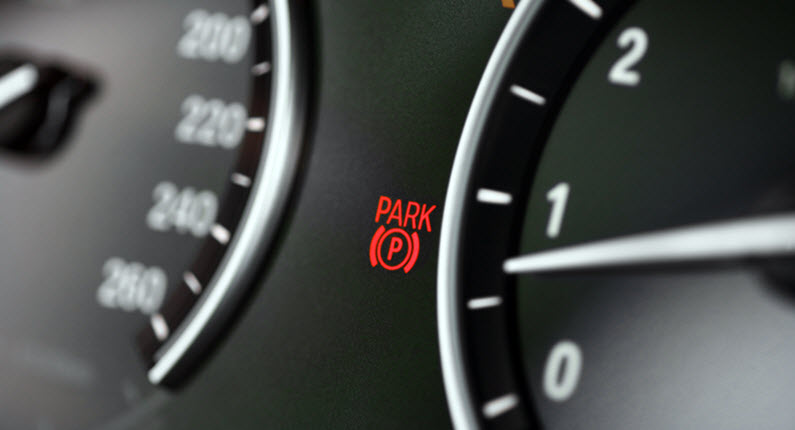
- Warning light: If the parking brake of your Land Rover fails, the brake warning light will illuminate and an alert will show in the message center. Whenever you see these warnings, don’t disregard them!
- The car is not completely held in place: Because a failed parking brake cannot fully perform its function, your vehicle may roll slightly even when the parking brake is applied.
- The brakes will not turn off: Another issue that your Land Rover may have is difficulty disengaging the parking brake when you are ready to drive off. A malfunctioning parking brake can be dangerous, so if you detect these problems, act quickly!
Fixing a Faulty Parking Brake
If you find yourself in a scenario where the parking brake no longer works, remember that the failure is most likely the result of a malfunctioning parking brake cable. The steel cable connecting the back wheels may stretch with usage over time. You might have to repair the cable, which will need the removal of the back wheels in order to reach the braking system. If your Land Rover has an EPB, you would need a factory tool to set the system in service mode before removing the cable and doing any repairs.
This can be a frightening endeavor for many inexperienced DIYers, especially given that the majority of Land Rovers on the road use an electric parking brake. It is generally preferable to visit a professional technician who has expertise in Land Rovers in this scenario.
Encore Motorcars Will Fix Your Land Rover’s Parking Brake

Land Rovers are among the most enjoyable luxury vehicles to drive, and we believe they are also one of the safest. At Encore Motorcars, we
will ensure that your Land Rover’s parking brake is fixed properly. Our specialty is European automobile maintenance and repair, and we perform every repair to the best of our ability.
We’ve been repairing and servicing European imports for many years. We are pleased to assist residents in Bradenton, Ellenton, Parrish, Nokomis, Osprey, Venice, Lakewood Ranch, Siesta Key, Longboat Key, University Park, and Sarasota, FL. Our skilled technicians and courteous team will offer you the best customer service at pricing lower than dealerships.
We know how important taking care of your car is and all the ways that taking your car in for service has become such an inconvenience. With that in mind, we always:
- Accept almost all extended warranty plans
- Offer free rental cars if repairs aren’t done same day
- Free courtesy car wash after every service
In order to ensure you get the best driving performance from your Land Rover, we make sure the best-trained and most experienced technicians get the job done. Call us now to schedule an appointment or come in to talk with one of our technicians.
CAUSES OF A HALF-SHAFT BOOT FAILURE IN A VOLKSWAGEN
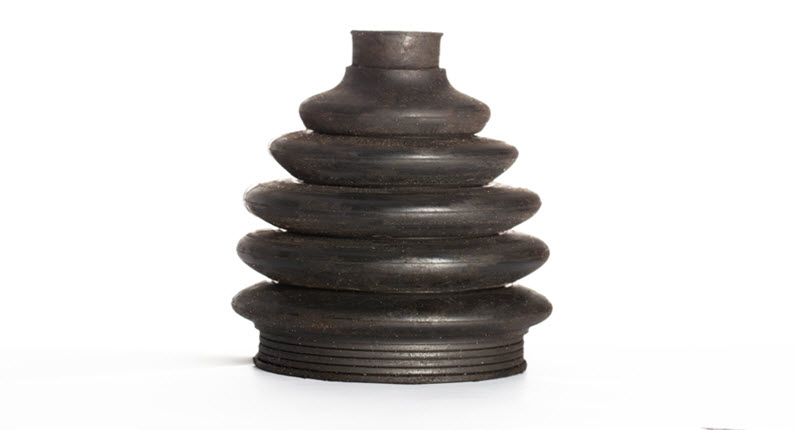
A half shaft boot, also called a CV boot or CV joint boot, is a rubber or plastic cover that protects the CV joint and CV axles on a Volkswagen. The half shaft boots keep the grease in and the dirt out. It also prevents the CV joint from drying out and breaking. The half shaft boot is typically found on front-wheel drive cars, such as the Volkswagen Jetta.
Over time, half shaft boots can become damaged and need to be replaced. When replacing half shaft boots, it is important to use the proper size and type of boot for your vehicle. Using the wrong size or type of boot can cause vibration and noise, and may even damage the half shaft. It is important to talk to your trusted VW service center for details on half shaft boots and how to properly replace them, but let’s take a deeper dive into this here.
Signs of Half Shaft Boot Problems
The half shaft is a component of the drive train that connects the wheel to the engine. It is found on the inner side of the wheel and is held in place by a clip or band. The half shaft boot helps to keep the half shaft clean and free from dirt and debris, which can cause damage to the half shaft over time. You can imagine this can become problematic when debris gets into the shaft.
Over time, the half shaft boot can fail, causing the grease to leak out. This can lead to a number of problems, including increased wear and tear on the half shaft and decreased fuel economy.
There are several signs that you may be experiencing half shaft boot failure. These include:
- Increased noise from the half shaft
- Excessive vibrations of the wheel
- Grease leaks from the front tires
- Premature wear on the half shaft itself
If you notice any of these symptoms, it’s important to have your VW checked by our qualified mechanics as soon as possible. Ignoring half shaft boot failure can lead to serious damage to your vehicle and may even void your warranty.
Prevention and Maintenance
One way to help prevent half shaft boot failure is to regularly check the boots for cracks or damage. If any damage is found, the boot should be replaced as soon as possible. It is also important to keep the area around the half shaft clean and free of debris. This will help to prevent the boot from being damaged by sharp objects.
Also, it is important to ensure that the half shaft is properly lubricated. This can be done by regularly applying grease to the area. By following these simple steps, you can help to prevent half shaft boot failure and keep your vehicle running smoothly.
Cars need to be properly maintained in order to function their best. This maintenance can include both big and small tasks, from regularly checking the oil level to taking the car in for an annual tune-up, which includes inspection of the half shaft boots. By keeping on top of maintenance, drivers can often prevent major problems from developing and extend the lifespan of their vehicle.
Of course, maintenance needs can vary depending on the make and model of the car. Some newer cars have complex systems that require more frequent attention, while older cars may only need a few basic maintenance tasks to stay running smoothly. By staying up-to-date on these maintenance needs, drivers can help ensure that their car will be ready to hit the road whenever they are.
Encore Motor Cars for Your Volkswagen’s Longevity

At Encore Motorcars, we understand how essential maintenance is to the functionality of your Volkswagen. We believe that maintaining your car should be easy rather than a hassle. This is why we have carefully designed our services to ensure that your vehicle maintenance is more straightforward and convenient for you.
Encore Motorcars is conveniently located in Sarasota, FL. Our newest factory tools and equipment allows us to offer top-notch services on European and exotic cars to auto owners in Bradenton, Ellenton, Nokomis, Osprey, Parrish, Venice, Lakewood Ranch, Longboat Key, Siesta Key, and University Park. Contact us today for expert service on your Volkswagen today. We look forward to earning your repeat business!
DOES YOUR BMW NEED A NEW WATER PUMP?
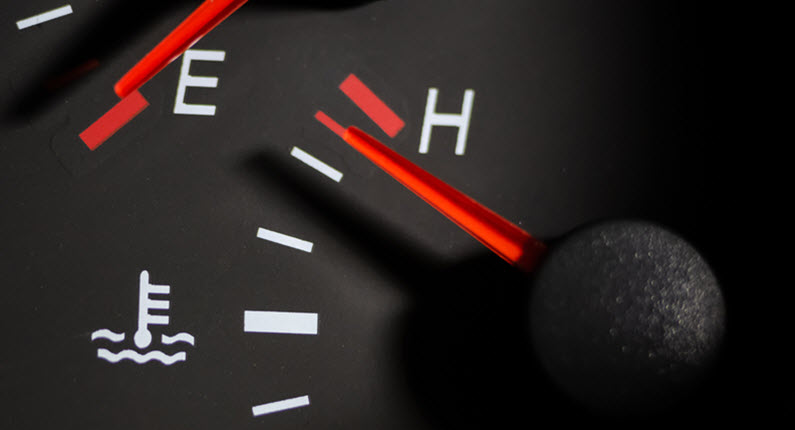
The water pump in your BMW is essential for the smooth running of your engine. The water pump circulates the coolants throughout the engine to reduce the engine temperature and prevent the engine from overheating. When the pump fails, it won’t function as it should, causing you to need a replacement.
The vehicle thermostat monitors your BMW’s temperature and releases the coolants for the system’s cooling whenever it notices that the engine temperature has risen. This is to ensure that the engine has an ideal operating temperature for proper functionality. Hence, when there is a problem with your water pump, you should get it fixed as soon as possible to prevent the engine from overheating and other costly engine damage.
Symptoms of a Broken or Defective Water Pump
When the water pump is broken or defective, the coolant fluid will no longer circulate through the cooling system, causing the engine temperature to rise and consequently overheat. When your water pump becomes defective, you may notice the following signs:
- Coolant Leaks: When your water pump is broken, you may see drops or puddles of coolants under your vehicle after you have parked for a while. Although vehicle coolants come in different colors, it always has an easily identifiable sweet smell. Whenever you notice coolant leaks, the best thing is to visit your mechanic to help you inspect the leaks and make a proper diagnosis.
- Steam Coming From the Radiator: If the water pump fails, the transportation of the coolant throughout the engine is hampered, which may result in the engine overheating. When the engine overheats, it will likely produce steam which explains the visible steam coming from your radiator.
- Unusual Sounds Coming From Under the Hood: You may also hear strange noises coming from the engine block. The noise may be a growling or squealing noise resulting from a loose belt indicating a worn-out bearing in the water pump or a loosened pulley.
- Heater Blowing Cold Air: While the coolant helps lower your engine temperature, it helps heat the temperature within the vehicle cabin. This is usually caused by the absence of coolant or the circulation of coolant within the cooling system. Therefore, your water pump probably has a problem when your heater blows cold air instead of hot air.
- Rise in Temperature Gauge: The temperature gauge on the dashboard notifies the driver of changes in vehicle temperature. When you notice the temperature gauge rising into the red zone, you should stop your engine immediately to prevent it from overheating.
- Engine Overheats: The water pump’s function is to circulate coolant through the cooling system. When the pump fails, the circulation of coolant through the cooling system is affected, which causes the engine to overheat.
While several other factors could have caused your engine to overheat, a defective or broken water pump cannot be ruled out. Hence, pay close attention to your engine temperature gauges and immediately notify your mechanic of any changes to prevent costly engine damage.
Causes of Water Pump Failure
The failure of the water pump is usually caused by:
- Natural wear and tear after a long period of use. The water pump is made of plastic materials that begin to wear and corrode after an extended period of use. If your water pump has achieved over 75,000 miles without any issue, you should consider getting a replacement before it ultimately fails.
- Poor maintenance of the water pump could cause accelerated wear. Ignoring routine maintenance and fluid replacement could affect the proper functionality of the cooling system, as old or contaminated fluid can cause the engine to overheat. When the engine overheats, the water pump can get damaged, thereby causing its premature replacement.
Encore Motorcars: Sarasota’s Leaders in German, Exotic, and Asian Import Auto Service

Sticking to the manufacturer’s-recommended routine maintenance and attending to any sign of trouble will ensure the longevity of your BMW.
The best way to ensure your vehicle receives the attention and care it needs is to bring it to a shop with expert technicians experienced in your vehicle’s brand.
At Encore Motorcars of Sarasota, we’re committed to making maintenance easy and convenient. We are Sarasota’s area leading full-service dealership providing drivers with everything from sales to services for the most popular German, Exotic, and Asian import auto brands.
Our ASE-certified technicians employ the latest tools and factory computer diagnostic equipment to ensure your vehicle gets quality service and repairs. We are located in Sarasota, FL. We also help out drivers in Bradenton, Ellenton, Nokomis, Osprey, Parrish, Venice, Lakewood Ranch, Longboat Key, Siesta Key, and University Park. Call us today to book an appointment or to speak to one of our technicians!

Your Jaguar’s check engine light is intended to warn you about issues with your car’s most important components. The job of this indicator is to ensure you’re informed about any possible issues that you aren’t aware of or can’t see but will negatively impact your Jaguar. In this article, we’ll take a deep look at causes and signs of check-engine light troubles in your Jaguar and what you can do about them.
Prominent Causes of an Illuminated Check Engine Light
When your check engine light turns on, it means there’s a problem. A flashing check engine light, in most situations, signals that there is an immediate problem that could result in a serious engine failure or mishap of essential components. While a solid check engine light may be put off long enough to drive to a shop and have it inspected during an appointment, a flashing check engine light should always be addressed immediately.
Here are some of the most common causes of a check engine light, along with symptoms:
- Faulty Sensors: The sensors in your car send messages to the onboard computer to keep your systems running in sync. When sensors begin to fail, you may notice the check engine light on your dashboard turn on without any obvious problems. Conversely, if a sensor fails but a component truly is malfunctioning, this could lead to major problems if it’s not caught because the sensor isn’t reporting the problem.
- Failure of the Catalytic Converter: Over time, your catalytic converter can become clogged with material, especially in Jaguar’s with higher mileage. Because it removes hazardous carbon monoxide, your catalytic converter is a vital part of the emissions system. A damaged or clogged catalytic converter can significantly reduce the fuel economy and proper efficiency of your vehicle.
- Faulty Fuel Injectors: This causes an extremely harsh engine idle that gets worse as it’s left stationary longer. Leaking gas can also be caused by a faulty fuel injector.
- Misfires in Multiple Cylinders: Misfires can cause jerky acceleration or shakiness, along with unpleasant smells coming from your exhaust pipe. Misfires are usually a symptom that the engine timing is off. If misfires occur often and cause a lot of problems, it could be a sign of something more serious, such as a catalytic converter failure.
- Faulty Coils and Spark Plugs: Faulty spark plugs can cause the above-mentioned misfires. If the ignition coils or spark plugs are worn or broken, you will hear unusual engine noises and acceleration problems from your engine. This will absolutely trigger your check engine warning light.
- Damaged/Loose Gas Cap: One of the first things to check when your engine light comes on is if your gas cap is missing, cracked, or loose. Reduced gasoline pressure allows fuel vapors to escape, reducing fuel economy and increasing harmful emissions. This will trigger the warning light, but it’s the easiest way to fix the problem.
- Aftermarket Items: If an aftermarket alarm or exhaust is not installed properly, it can cause the check engine light to come on. These aftermarket parts and accessories can drain the battery and possibly prevent the vehicle from starting. Bring your vehicle to a reputable auto shop if these issues appear to be serious, and our professional technicians will check to verify whether your aftermarket parts were installed correctly and ensure they aren’t causing any issues. Getting parts, particularly aftermarket accessories, or using OEM components first may cost a little more upfront, but it could save you money in the long run by avoiding poor performance and damage caused by poor installation.
Encore Motors Will Inspect Your Jaguar’s Check Engine Light

Bring your Jaguar to our professional repair shop when your check engine light turns on, or have it towed here if it starts flashing! Allowing the
situation to worsen could lead to more serious issues that will be even costlier to repair. Don’t ignore your car’s warning indicators for your safety, the safety of others, and the longevity of your Jaguar model.
Encore Motorcars is your one-stop shop for great auto repair and maintenance whether you live in or around Bradenton, Ellenton, Nokomis, Osprey, Parrish, Venice, Lakewood Ranch, Longboat Key, Siesta Key, University Park, or Sarasota, FL.
For all your automotive needs, we are committed to offering outstanding service. As a result, you’ll never have to worry about who to trust with your Jaguar model. We’ll take care of your Jaguar and get you cruising on the road again quickly in like-new condition!
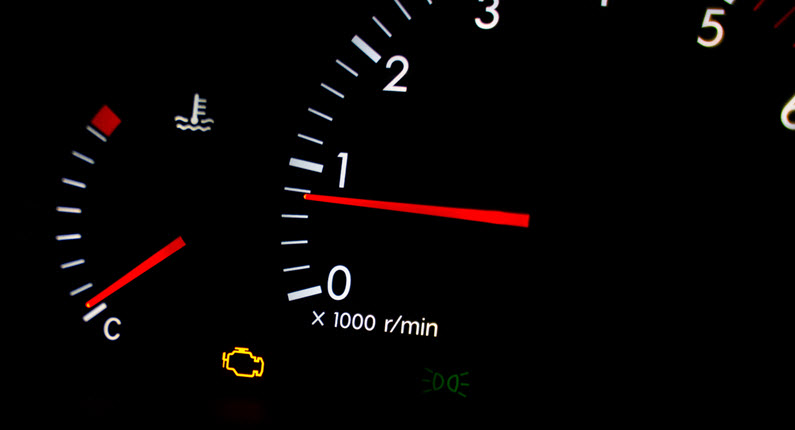
The name Acura is derived from a Latin word “acu” which means accuracy. Reliability combined with this accuracy is what the brand is known for today. To provide accuracy of their engines, engineers designed the dashboard of each model to include a check engine light to alert you to potential problems with your car that will negatively affect the engine.
The check engine light is controlled by the OnBoard Diagnostic (OBD) system of the vehicle. Whenever there is an issue with the engine or other connecting components, the OBD detects it and the check engine light will turn on. The check engine light informs you of any issues with your engine immediately, thereby allowing you to pull over and have it towed or bring it to our repair shop. This safeguards the engine block and protects you, your passengers, and your vehicle.
Potential Issue That May Cause The Check Engine Light To Come On
The following are some common reasons why the check engine light of your Acura comes on. It is important to pay attention to your Acura, and never ignore the check engine light whenever it is illuminated.
- Malfunctioning Oxygen Sensor: If the oxygen sensor of your Acura is malfunctioning, it can cause the check engine light to come on. A malfunctioning oxygen sensor can improperly indicate that the catalytic converter of your Acura is under excess pressure. This case can be corrected by a professional mechanic that specializes in repairing Acura vehicles.
- Problem with Spark Plugs: Spark plugs help to ignite the fuel in the engine. If there is a problem with the spark plug, the car will misfire. This causes the check engine light to come on since it negatively impacts the engine. When this is the case, you need to replace or service the spark plugs.
- Faulty MAF Sensor: The Mass AirFlow (MAF) sensor supplies the correct amount of air required by the engine. If there is an issue with the MAF, the air/fuel mixture becomes lean and this would lead to misfires of the engine. The type of misfire that occurs is called lean misfire. When the MAF is faulty, the check engine light would be illuminated and you need to take your Acura for a check-up.
- Failed Catalytic Converter: This is the most serious cause of the check engine light being illuminated in your Acura. The catalytic converter system converts the toxic emissions produced by fuel combustion into environmentally-safe gases. If the catalytic converter of your Acura is faulty, your car would pose a danger to everyone around it and to the environment as well. Although it is very expensive to repair, it is important to have this repaired properly.
- Loose Gas Cap: A loose-fitting gas cap may cause the check engine light of your Acura to come on. When you forget to tightly close the gas cap of your vehicle, the fuel vapor may leak and the onboard diagnostic system might read this as an issue with the engine thereby turning on the check engine light. So if you see the engine light illuminate, check the gas cap first to see if it’s a quick and easy fix.
Encore Motorcars Will Diagnose your Check Engine Light

The check engine light can indicate different issues in your Acura. This is why it is important to diagnose the actual cause instead of spitballing the source of the problem, as there are many causes that can be detrimental to your engine. Ignoring the warning light is dangerous and it could lead to more expensive repair issues later down the road.
At Encore Motorcars, we will perform a diagnostic test of the codes for your check engine light to determine the source and the best solution. We are committed to providing quality service to our customers in Bradenton, Ellenton, Nokomis, Osprey, Parrish, Venice, Lakewood Ranch, Longboat Key, Siesta Key, University Park, Sarasota, FL.
We have highly qualified, ASE-certified mechanics who are committed to the care of your vehicle. Our mechanics are also experts in fixing the most popular German brands such as Mercedes, BMW, Mini, Porsche, Audi, Volkswagen, Rolls Royce, Jaguar, and Land Rover. Call us today to book an appointment!
Connect with us


- June 2026
- May 2026
- April 2026
- March 2026
- February 2026
- January 2026
- December 2025
- November 2025
- October 2025
- September 2025
- August 2025
- July 2025
- June 2025
- May 2025
- April 2025
- March 2025
- February 2025
- January 2025
- May 2024
- March 2024
- February 2024
- January 2024
- December 2023
- November 2023
- October 2023
- September 2023
- August 2023
- July 2023
- June 2023
- May 2023
- April 2023
- March 2023
- February 2023
- January 2023
- December 2022
- November 2022
- October 2022
- September 2022
- August 2022
- July 2022
- June 2022
- May 2022
- April 2022
- March 2022
- February 2022
- January 2022
- December 2021
- November 2021
- October 2021
- September 2021
- August 2021
- July 2021
- June 2021
- May 2021
- April 2021
- February 2021
- January 2021
- December 2020
- November 2020
- October 2020
- September 2020
- August 2020
Archives
- Acura Repair
- Aston Martin Repair
- Audi models
- Audi Repair
- Bentley Repair
- BMW Repair
- Bradenton Used Cars
- Car Maintenance
- Encore Motorcars of Sarasota
- Encore Motorcars of Sarasota Service
- Infiniti Repair
- Jaguar Repair
- Jeep models
- Land Rover models
- Land Rover Repair
- Lexus Repair
- Luxury Car Repair
- Maserati Repair
- Maybach Repair
- Mercedes Repair
- MINI Repair
- Naples Car Dealership
- Porsche Repair
- Rolls Royce Repair
- Sarasota Car Dealership
- Sarasota Car Repair
- Uncategorized
- Used Mercedes-Benz
- Volkswagen Repair