



* Audi S5 Car image credit goes to: Bobislav.
If you own an Audi, you’re likely aware of the importance of regular maintenance and repairs to keep your car running smoothly. While it can be tempting to opt for the cheapest repair option available, it’s important to understand that low-quality repairs can actually end up costing you more money in the long run. Let’s look at some reasons why choosing quality Audi repair services is a smart financial decision.
Quality Repairs Last Longer
When you opt for low-quality repairs, you may save money upfront, but you’ll spend more in the long run. Poorly executed repairs may not last as long, and you’ll find yourself visiting the mechanic more often. On the other hand, when you opt for quality Audi repair services, you can rest assured that your car is in the hands of trained and experienced professionals who use high-quality parts and techniques to get the job done. This means that your repairs will last longer, saving you money in the long run.
Quality Repairs Prevent Further Damage
Low-quality repairs may seem like a quick fix, but they can actually do more harm than good. When a repair is poorly executed, it causes further damage to your car, which can end up costing you even more money in the long run. Quality Audi repair services, on the other hand, can prevent further damage by addressing the root cause of the problem and fixing it properly.
Quality Repairs Improve Resale Value
If you’re planning to sell your Audi in the future, investing in quality repairs is a smart move. Cars that have been repaired using quality parts and techniques are more likely to retain their value and attract higher prices when it comes time to sell. On the other hand, cars that have been repaired using low-quality parts and techniques may be perceived as less valuable and fetch lower prices.
Quality Repairs Keep Your Warranty Intact
If your Audi is still under warranty, opting for low-quality repairs can void your warranty. This means that if something goes wrong with your car, you’ll be responsible for covering the costs of repairs. However, quality Audi repair services are carried out by trained professionals using quality parts and techniques that meet the standards set by Audi. This means that your repairs will be covered under warranty, saving you money in case something goes wrong.
Avoiding Safety Hazards
When you opt for low-quality repairs, you may be putting yourself and your passengers at risk. Poorly executed repairs could lead to safety hazards such as faulty brakes, non-functional airbags, and other critical systems that could compromise the safety of your Audi. High-quality Audi repair services ensure that your car is in top shape, reducing the likelihood of accidents and costly repairs down the line.
Preventing Costly Breakdowns
By investing in quality repairs, you’re preventing the likelihood of breakdowns and reducing the risk of further damage to your car. This can save you money in the long run by avoiding costly repairs and downtime.
Improving Fuel Efficiency
Poorly executed repairs can lead to decreased fuel efficiency, resulting in higher costs at the gas pump. Quality Audi repair services ensure that your car is running at its best, improving fuel efficiency and reducing your overall costs in the long run. This can be especially beneficial for Audi owners who drive frequently.
Let Encore Motorcars Maintain Your Audi

At Encore Motorcars, we understand the importance of quality Audi repair services, and we’re committed to providing our clients with top-notch maintenance and repairs. Our team of experienced technicians has the knowledge and expertise to keep your Audi running smoothly, preventing costly breakdowns and ensuring that your car is always safe and reliable.
We use only the highest quality parts and materials, and we take pride in our attention to detail and commitment to excellence.
We serve car owners from Bradenton, Ellenton, Nokomis, Osprey, Parrish, Venice, Lakewood Ranch, Longboat Key, Siesta Key, University Park, and Sarasota, FL, and we’re dedicated to ensuring that every Audi that comes through our doors receives the best possible care. Contact us today to book an appointment and experience the Encore Motorcars difference for yourself!

Summer is the perfect time to hit the open road, and what better way to do it than in a luxurious Bentley? However, before you set off on your summer driving adventure, it’s important to ensure that your car is properly prepared for the hot and sometimes harsh driving conditions that summer can bring. Here are some tips on what to do to prepare your Bentley for summer driving conditions.
Check Your Bentley’s Cooling System
Your Bentley’s cooling system is essential in ensuring that your car does not overheat during the hot summer months. Before embarking on your summer driving adventure, it is important to check the coolant level and make sure that there are no leaks or damages to the system. Your Bentley’s cooling system should be flushed and refilled every two years, so if it’s been a while since you’ve done this, it’s important to schedule this maintenance before heading out on a long trip.
Check Your Car’s Tires
Your Bentley’s tires are also important in ensuring a smooth and safe driving experience. Before hitting the road, it’s important to check your tire pressure and make sure that the treads are not worn down. The hot summer weather can cause the air in your tires to expand, leading to overinflation, which can result in a tire blowout. Checking your tire pressure regularly can help prevent this from happening. Additionally, it’s important to make sure that your tires are properly aligned and balanced to ensure a smooth ride.
Check the Air Conditioning System
Driving in the summer heat can be uncomfortable, but having a properly functioning air conditioning system can make a world of difference. Before setting out on your summer road trip, make sure that your Bentley’s air conditioning system is in good working order. This includes checking the refrigerant level, the compressor, and the condenser. If you notice that your air conditioning system is not working as well as it should, it’s important to have it checked by a professional before heading out on a long trip.
Check the Battery
The hot summer weather can put a strain on your car’s battery, so it’s important to have it checked before embarking on a summer road trip. This includes checking the battery’s charge level, terminals, and cables. If your battery is more than 3 years old, it may be time to replace it to prevent unexpected breakdowns on the road.
Check Your Bentley’s Oil and Other Necessary Fluids
Your Bentley’s oil and other fluids are important in ensuring that your car runs smoothly and efficiently. Before hitting the road, it’s important to check your oil level and make sure that it is not dirty or contaminated. Additionally, you should also check your transmission fluid, brake fluid, and power steering fluid to make sure that they are at the appropriate levels and not contaminated.
Clean and Prep the Exterior and Interior for Sun and Heat Damage
Before heading out on a summer road trip, it’s important to give your Bentley a good clean both inside and out. This includes washing and waxing the exterior to protect it from the sun’s rays, as well as vacuuming and cleaning the interior to remove any dirt and debris that may have accumulated. A clean car not only looks better but also helps to prevent any potential maintenance issues that may arise from neglecting to clean your car regularly.
Pack an Emergency Kit
No matter how well you prepare your Bentley for summer driving conditions, unexpected breakdowns can still happen. It’s important to pack an emergency kit in your car that includes items such as a flashlight, first aid kit, jumper cables, and a spare tire. Additionally, it’s a good idea to have a roadside assistance service on standby in case of an emergency.
Encore Motorcars

In conclusion, summer driving conditions can be harsh on your Bentley, so it’s important to take the necessary precautions.
At Encore Motorcars, we are here to provide top quality repairs and service for your Bentley model.
Visit us today from nearby cities and neighborhoods in Bradenton, Ellenton, Nokomis, Osprey, Parrish, Venice, Lakewood Ranch, Longboat Key, Siesta Key, University Park, Sarasota, FL. We look forward to keeping your Bentley in top condition.
THE TELLTALE SIGNS OF A BMW’S BAD ALTERNATOR
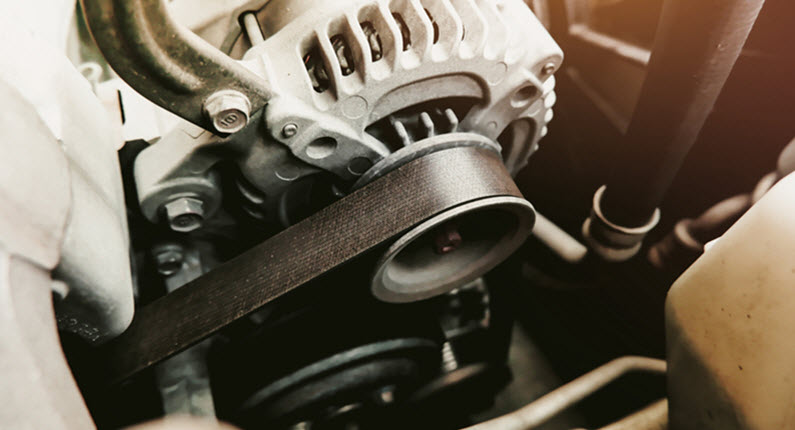
If you’re a proud BMW owner, you already know that performance and reliability are second nature to your car, but even the most well-crafted machines need some care from time to time. Today, we’ll explore the telltale signs of a bad alternator in your Ultimate Driving Machine.
Signs of a Bad Alternator
BMW cars are known for their performance, but like any other car, they require maintenance to stay on top of the game. One of the major components your BMW needs to be in good shape is the alternator, which is responsible for generating power for the battery and the electrical system. If your BMW’s alternator is failing, it can cause a range of issues that can affect your vehicle’s performance. Here are some telltale signs of a BMW bad alternator:
- Dimming or Flickering Headlights: A flickering headlight is one of the most common signs of a failing alternator. If you notice that your headlights are not as bright as they used to be, or they flicker while you’re driving, it means your alternator is not providing enough power to the electrical system.
- Warning Lights: Most modern BMWs have warning lights that illuminate on the dashboard when there is an issue with the car. If you see the battery warning light or the “ALT” light, it could be a sign that the alternator is failing. These warning lights indicate that the battery is not receiving enough charge from the alternator.
- Dead Battery: A failing alternator can also cause the battery to die. If you notice that your BMW’s battery is constantly dying or if you have to jump-start your car frequently, it could be a sign that the alternator is not functioning correctly. A weak or dead battery can also be caused by other factors, so it’s essential to have our professional mechanic diagnose the issue.
- Strange Noises: A failing alternator can also make strange noises. If you hear a whining noise from the engine, it could be a sign that the alternator’s bearings are failing. The noise can become louder as the alternator fails, so addressing the issue as soon as possible is better.
- Electrical Issues: A bad alternator can also cause various electrical issues. For example, you may notice that the radio or air conditioning system is not working correctly or the power windows are operating slowly. These issues can be caused by a lack of power to the electrical system.
- Stalling or Surging: A failing alternator can also cause your BMW to stall or surge. If your car suddenly dies while you’re driving or if the engine surges while idling, it could be a sign that the alternator is not providing enough power to the electrical system.
There are several causes of a BMW alternator failure, so let’s take a closer look at those.
Age and Wear
Like any other component of your BMW, the alternator can wear out over time. As the alternator ages, its internal components can become worn, and its ability to generate power can diminish.
Overuse
If you frequently use your BMW’s electrical system, such as the radio, air conditioning, or headlights, it can put a strain on the alternator. Over time, this can cause the alternator to fail.
Loose or Damaged Belts
The alternator is connected to the engine by a belt. If the belt becomes loose or damaged, it can affect the alternator’s ability to generate power. A damaged belt can also cause the alternator to make unusual noises.
Corrosion
Corrosion can affect the electrical connections in your BMW’s alternator, causing it to fail. If you live in an area with high humidity or saltwater, it can accelerate the corrosion process.
Electrical Issues
If there are any electrical issues in your BMW, it can affect the alternator’s ability to generate power. For example, a faulty battery or wiring issue can cause the alternator to fail.
Overcharging
Sometimes, the alternator can overcharge the battery, causing it to fail. This can happen if the voltage regulator in the alternator is faulty or if the alternator is producing too much power.
Get Help From Us at Encore Motorcars

If you notice any of these signs, take your BMW to a professional mechanic as soon as possible. At Encore Motorcars, we can help you fix a failing alternator so that it does not affect your vehicle’s performance.
Our certified BMW mechanics can diagnose the issue and recommend the appropriate course of action.
If you reside in Bradenton, Ellenton, Nokomis, Osprey, Lakewood Ranch, Parrish, Venice, Longboat Key, Siesta Key, University Park, and Sarasota, FL, you can count on us for a fast and reliable BMW service. Book an appointment now!

Rolls-Royce is a brand synonymous with luxury, elegance, and superior performance. As a Rolls-Royce owner, you expect nothing but the best driving experience, but sometimes your car may not live up to your expectations. If you have experienced jerking while accelerating, it can be frustrating and concerning, but you should not panic. In this article, we will explore the top four reasons why your Rolls-Royce may jerk while accelerating and what you can do to fix it.
1. Faulty Spark Plugs
Spark plugs play a crucial role in the ignition process of an internal combustion engine. If they are worn out or dirty, they can cause a misfire, leading to engine jerking. When the spark plug fails to ignite the fuel-air mixture in one or more cylinders, you will feel a noticeable hesitation or jerk. Replacing the spark plugs is an easy and affordable fix. Most experts recommend changing spark plugs every 30,000 miles or as per the manufacturer’s recommendations.
2. Clogged Fuel Injectors
Fuel injectors are responsible for spraying fuel into the engine cylinders, and if they become clogged or dirty, they can cause misfires, which can lead to engine jerking. When the fuel injector becomes clogged, it will not be able to deliver the proper amount of fuel to the engine, causing a lean fuel mixture. The engine control unit (ECU) will then try to compensate by adjusting the air-fuel ratio, which can cause a sudden surge or jerk. A fuel system cleaning or injector replacement can solve this problem.
3. Transmission Issues
Rolls-Royce vehicles are equipped with advanced automatic transmissions that use complex electronics and hydraulics to shift gears smoothly. If there is a problem with the transmission, you may experience jerking or hesitation while accelerating. Some common causes of transmission problems include low transmission fluid, a faulty transmission control module, or a malfunctioning solenoid. If you suspect that your transmission is the culprit, it is crucial to take your car to one of our Rolls-Royce specialists who can diagnose and fix the issue.
4. Dirty Air Filters
The air filter is responsible for preventing dirt, debris, and other contaminants from entering the engine cylinders. If the air filter becomes clogged or dirty, it can restrict airflow, leading to a lean fuel mixture, which can cause engine jerking. A dirty air filter can also cause a decrease in fuel efficiency and engine performance. Replacing the air filter is an easy and inexpensive fix, and most experts recommend changing it every 15,000 miles or as per the manufacturer’s recommendations.
In addition to these common causes of engine jerking, there are other factors that can contribute to the problem. For example, a faulty throttle position sensor, a malfunctioning mass airflow sensor, or a worn-out timing belt can cause similar issues. It is essential to take your car to our Rolls-Royce specialists who can diagnose and repair any of these issues.
Fixing The Issue And Prevention
Experiencing jerking while accelerating is not only annoying, but it can also be a sign of a more serious underlying problem. If you are experiencing this issue with your Rolls-Royce, it is essential to diagnose the cause and address it promptly. You can avoid costly repairs and ensure your car runs smoothly for years to come by following the manufacturer’s recommended maintenance schedule and keeping up with regular inspections.
Rolls-Royce is a high-end brand that requires proper care and maintenance. If you are experiencing any issues with your car, it is essential to take it to one of our certified Rolls-Royce specialists. We have the knowledge and expertise to diagnose and fix any issues with your car quickly and effectively. It is also important to use genuine Rolls-Royce parts and accessories, as they are designed specifically for your car and will ensure optimal performance.
Book An Appointment For Your Rolls-Royce At Encore Motorcars

Encore Motorcars in Sarasota, FL is the exclusive place to take your Rolls-Royce for maintenance and repair.
Our technicians are certified experts in Rolls-Royce mechanics and our shop offers a variety of services to keep your vehicle running like new or to help you restore it. We proudly serve Bradenton, Ellenton, Nokomis, Osprey, Parrish, Venice, Lakewood Ranch, Longboat Key, Siesta Key, University Park, and the surrounding areas.
You can relax knowing that we focus on quality workmanship and customer satisfaction; call or book an appointment today at Encore Motorcars.
WHY YOUR AUDI DOES NOT START IN SARASOTA

When it comes to Audi vehicles, there are several reasons why your car may not start, especially if you live in a city where the hot and humid weather can cause issues with a vehicle. Some of the most common causes for an Audi not starting include a dead battery, loose or corroded battery connections, alternator problems, fuel system issues, engine failure, ignition switch problems, and a dead key fob battery.
It is important to diagnose the problem with the help of a professional mechanic or by using an OBD-II scanner. A professional mechanic will be able to run diagnostics tests on your vehicle to determine the cause of the problem and suggest the appropriate repairs.
The Most Common Causes
- A Dead Battery: One of the most common reasons for an Audi not starting is a dead battery. The battery provides the necessary power for the engine to start, and it needs to be charged for the engine to start. If the battery is completely dead, it will not be able to provide the necessary power to start the engine, and you might have to jumpstart the car to use it temporarily or replace the battery.
- Corroded/loosed battery connections: Another common issue is loose or corroded battery connections. Over time, the battery terminals can become corroded, which may affect the connection between the battery and the engine. This can lead to poor performance or complete failure of the battery to provide power to the engine.
- Alternator Issues: Alternator problems can also cause your Audi not to start. The alternator is responsible for keeping the battery charged, and if it is not working properly, the battery may not have enough power to start the vehicle.
- Engine failure: Engine failure is another common reason why your Audi may not start. Engine problems can be caused by a variety of issues, such as worn-out engine components, damaged gaskets, or a failing oil pump.
- A Dead key fob battery: A dead key fob battery can also prevent your Audi from starting. The key fob is responsible for communicating with the vehicle’s computer, and if the battery is dead, it will not be able to communicate and start the car.
- The Fuel system: Fuel system issues can also be a cause of an Audi not starting. This can be a result of a clogged fuel filter, a malfunctioning fuel pump, or a damaged fuel line. These issues can prevent the fuel from reaching the engine, which will prevent it from starting.
- A Faulty ignition switch: Ignition switch issues can also be the reason why your Audi may refuse to start. The ignition switch is responsible for sending the signal from the key to the engine. If the ignition switch is not functioning properly, it will not be able to send the signal, preventing the engine from starting.
- Engine control module: Engine control module failure can also cause starting problems. The engine control module is responsible for controlling various functions in the vehicle, and if it is not working properly, it can prevent the engine from starting.
The Professional Mechanics at Encore Motorcars can Fix Your Starting Issues
Audi is a reliable European vehicle that deserves all the care it can get to stay functional. If you own one of these amazing sports
cars and you are having issues starting it, you can turn to us at Encore Motorcars. We are the leading Audi repair shop in Florida.
We have a wide customer base from cities like Bradenton, Ellenton, Nokomis, Osprey, Parrish, Venice, Lakewood Ranch, Longboat Key, Siesta Key, University Park, and Sarasota, FL. Our customers from all these cities trust us because we offer high-quality maintenance and repair at an affordable price.

Our certified technicians make use of the most recent factory-grade tools when diagnosing and fixing Audi vehicles, which is why we always get it right the first time.
So, whether you need a quick fix for your Audi or you want to join our regular and loyal customers by scheduling routine maintenance, we are here to serve you. Just give us a call or stop by our Sarasota workshop to get started. We look forward to earning your repeat business.
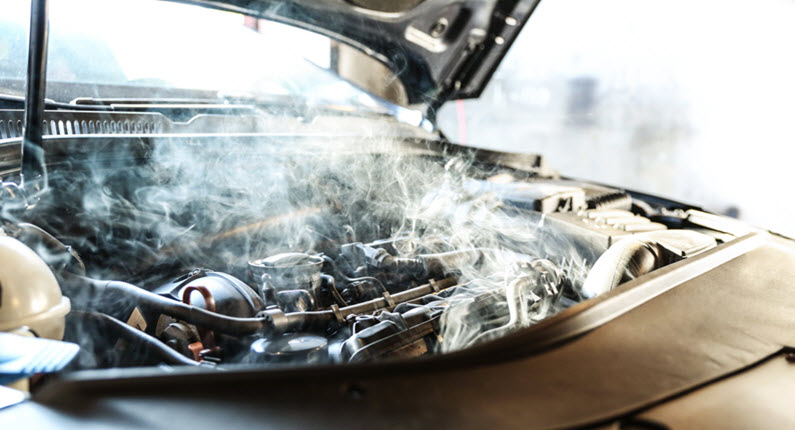
Exhaust manifold gasket failure is a common problem that can occur in a Jaguar vehicle. This issue can cause a variety of problems, including reduced engine performance, increased fuel consumption, and even damage to the engine itself. If you suspect that your Jaguar may be experiencing exhaust manifold gasket failure, it is important to address the problem as soon as possible. In this article, we will discuss what exhaust manifold gaskets are, the symptoms of gasket failure, and how to deal with this problem in your Jaguar.
What are Exhaust Manifold Gaskets?
Exhaust manifold gaskets are small, flat seals that are used to seal the connection between the exhaust manifold and the engine. These gaskets are designed to prevent exhaust gases from escaping, which can cause a variety of problems if left unchecked. Over time, exhaust manifold gaskets can become damaged or wear out, which can lead to gasket failure.
Symptoms of Exhaust Manifold Gasket Failure
There are several symptoms that may indicate that your Jaguar is experiencing exhaust manifold gasket failure. These symptoms include:
- Decreased engine performance: If your Jaguar’s engine is not performing as well as it used to, this may be a sign of gasket failure. Exhaust gases that are allowed to escape through a damaged gasket can cause a loss of power and reduced engine efficiency.
- Increased fuel consumption: When exhaust gases are allowed to escape, it can lead to increased fuel consumption. If you notice that your Jaguar is using more fuel than usual, this could be a sign of exhaust manifold gasket failure.
- Excessive exhaust smoke: If you notice excessive smoke coming from your Jaguar’s exhaust, this could be a sign of a problem with the exhaust manifold gaskets. Excessive smoke may be a sign of exhaust gases escaping, which can be caused by a damaged or failing gasket.
- Engine overheating: If your Jaguar’s engine is overheating, this could be a sign of gasket failure. When exhaust gases are allowed to escape, they can cause the engine to run hotter than it should, leading to overheating.
- Misfiring or rough running: If your Jaguar’s engine is misfiring or running rough, this could be a sign of exhaust manifold gasket failure. When exhaust gases are allowed to escape, they can cause the engine to run poorly, leading to misfiring or rough running.
Addressing the Issue With Exhaust Manifold Gasket Failure in a Jaguar
If you suspect that your Jaguar is experiencing exhaust manifold gasket failure, it is important to address the problem as soon as possible. Here are some steps you can take to deal with this issue:
- Have the problem diagnosed: The first step in dealing with exhaust manifold gasket failure is to have the problem diagnosed by a mechanic. A mechanic will be able to determine if the problem is indeed a gasket failure and will be able to advise you on the best course of action.
- Replace the gasket: If the problem is indeed a gasket failure, the gasket will need to be replaced. This is a job that should be performed by a mechanic, as it requires special tools and expertise.
- Repair any additional damage: If the gasket failure has caused any additional damage to the engine, this will also need to be repaired. This could include damaged cylinders, valves, or other engine components.
- Follow the manufacturer’s recommended maintenance schedule: To prevent future gasket failure, it is important to follow the manufacturer’s recommended maintenance schedule. This includes regular oil changes and other routine maintenance tasks.
Bring Your Jaguar to Encore Motorcars

Even the most well-maintained vehicles can experience malfunctions, and for those who drive Jaguars, exhaust manifold gasket failure is something to look out for.
At Encore Motorcars, serving Sarasota, FL and its surrounding areas including Bradenton, Ellenton, Nokomis, Osprey, Parrish, Venice, Lakewood Ranch, Longboat Key, Siesta Key, and University Park, our expert mechanics have the knowledge and skills to help diagnose and repair any issue; we will determine if a failed gasket is indeed causing your Jaguar’s exhaust problems.
We use only quality replacement parts so that you can be assured of a reliable and long-lasting solution. Our friendly staff will work with you to make sure that not only is your vehicle fixed but that it remains safe on the roads too.

Driving a BMW makes most drivers confident on the road because of the dependability and high performance of the vehicle. Regular maintenance and part replacement/upgrades at particular mileage can extend the life of your BMW and boost its reliability on everyday trips. Even with regular basic maintenance, some components of your BMW can become faulty after some time. One of the components is the PCV valve.
The PCV valve is an important component that your BMW needs to function properly. This valve is critical to the health of your BMW and should be changed at a set period or if it fails before that time. Let’s look at what a PCV valve is and when it is important or necessary for you to replace the one in your BMW.
Purpose of PCV Valve
The PCV valve’s primary function is to remove dangerous gases from the crankcase region and return them to your BMW’s engine. There, they are burned and rendered less toxic before being moved through to the atmosphere. We understand the importance of PCV valves in our daily lives because of the health and environmental concerns about humans inhaling harmful gases. Next, let us consider the frequency of replacing a PCV valve.
When to Replace Your PCV Valve
A PCV valve can be used for years without being replaced. However, to ensure that it does not harm your vehicle when it is faulty, most experienced technicians recommend replacing the valve every 50,000 miles. If you follow this kind of precaution, you will most likely prevent the following problems, which are symptoms that your PCV valve is failing:
- Sludge Build-Up in the PCV Valve: When dark sludge begins to form around your PCV valve or engine, then a malfunction is at the door, knocking.
- Poor Fuel Economy: When your PCV valve becomes faulty, it begins to consume more fuel than it used to.
- Check Engine Light: Another sign that your PCV is failing is when you see illumination on your check engine light.
- Engine Misfiring and Stalling: Finally, when your BMW starts to misfire or stall while driving, then it is very important for you to check the PCV valve.
If you notice any of the above symptoms after or before 50,000 miles, let a trained BMW specialist inspect your vehicle for PCV valve problems.
BMW Scheduled Maintenance
As previously shown, carrying out adequate maintenance on your BMW, as advised by the manufacturer, will keep your BMW in good condition and also save you from costly repairs in the long run. So, if you detect or notice any of the indications described above, your automobile has most likely already been damaged. You need to get our professionals involved to diagnose the root cause of the problem and advise you of our findings.
Repairs on any component of a well-constructed BMW will be costly if discovered too late. BMW has presented customers with a strategy to minimize costly repairs through their scheduled BMW routine maintenance.
Use Only Certified Professionals
The complex technology included in this European car is not something that should be handled by any repair shop. When getting your BMW serviced, be sure the persons conducting the job are competent.
This simply implies that the specialists who should fix your BMW should be certified by organizations like Bosch and ASE. These technicians are professionals in their industry and are experts regarding the vehicles they work on. Their certificates may be optional in the auto service industry, but they are critical for BMW owners who desire optimum performance from their cars and SUVs.
Entrust Your BMW to Encore Motorcars
When it comes to replacing your PCV valve, don’t rely on just any gas station mechanic. Bring your BMW to us at Encore Motorcars for quality repair if you reside in Bradenton, Ellenton, Nokomis, Osprey, Parrish, Venice, Lakewood Ranch, Longboat Key, Siesta Key, University Park, Sarasota, FL.

Our specialists are qualified, trained, and up to speed on the newest technology, and we use the industry’s best tools to fix your BMW. Call us now to get your vehicle on a routine maintenance plan that will give your automobile the long life it deserves at very affordable costs. You can stop by today!

Brake calipers are an essential part of brake systems, offering reliable and efficient performance. The brake caliper is the component that squeezes brake pads against the brake rotors on your Land Rover’s wheel when the brake pedal is pressed.
It is generally made out of metal or aluminum and consists of several different parts including pistons, spring clips, dust seals, and mounting bolts. The brake caliper plays a vital role in utilizing friction to slow down or stop your vehicle. By compressing the brake pads against the rotors with hydraulic pressure, it generates friction that can quickly reduce the speed of a car.
Without brake calipers, you wouldn’t be able to control your vehicle safely as it moves at high speeds. Even if you don’t know much about brake calipers, it’s important to remember how essential they are for ensuring safe driving conditions. They play a crucial role in ensuring smooth and accurate braking in vehicles of all shapes and sizes!
Signs that Your Brake Caliper Needs to be Replaced
If you notice unusual brake behavior, your brake caliper may need to be replaced.
- Common signs include reduced brake sensitivity and decreased brake performance on hills and curves.
- You may also notice noise from the brake, such as clicking or grinding that does not go away when you press the brake pedal.
- Additionally, brake fluid leaking out of the wheel well or your brake pedal feeling spongy or weak can signify a problem with your brake caliper.
If any of these issues arise while driving, it is best to bring your car to our trusted auto shop as soon as possible for an inspection. A worn brake caliper can impair vehicle safety and lead to more costly repairs if left unchecked. Fortunately, replacing a brake caliper is typically straightforward as long as it’s addressed early on. With regular maintenance, you can enjoy a safe, reliable brake system for years to come.
The Benefits of Replacing the Brake Caliper on Your Land Rover
With regular use, brake calipers can become worn or damaged and need to be replaced. Although a brake caliper replacement can be costly, there are still several benefits to doing so.
If a brake caliper is not in good working order, it can cause brake failure or uneven braking performance. Additionally, replacing brake calipers takes away the guesswork in determining when it’s time to replace them, keeping drivers safe and saving them the cost of brake repairs down the road. Lastly, replacing brake calipers helps ensure that you are getting maximum performance out of your vehicle as well as improved fuel economy and lower emissions.
All this adds up to a worthwhile investment in your Land Rover’s safety and wellbeing. With a new brake caliper in place, you’ll have peace of mind knowing you’re driving with optimal braking performance every time.
Tips for Keeping Your Brakes in Good Condition for as Long as Possible
Properly maintaining your brakes is essential for the safety and reliability of your vehicle. While the most important thing you can do to take care of your brakes is to bring them in for a professional inspection and tune-up, there are a few things you can do between visits to help ensure they last.
First, pay attention to how they feel. Investigate if there are moments of unusual loudness or vibration while you’re driving. Unless there’s been a drastic change in the roads you’re familiar with, it could be a sign that something is off with the brakes. Second, always check your brake fluid levels and look for rust buildup around the brake lines. Finally, avoid hard braking unless absolutely necessary. The harder you aggressively stop, the more strain will be put on them each time.
Remember, keeping an eye on common issues will help to extend the life of your vehicle’s brakes and keep you safe on the road!
Encore Motorcars for You Land Rover’s Brake Caliper Needs

Now that you know the signs that your brake caliper needs to be replaced, as well as how to replace it and the benefits of doing so, you can make an informed decision and bring it to Encore Motorcars. Our specialists have years of experience with Land Rovers. Visit us in and around Bradenton, Ellenton, Nokomis, Osprey, Parrish, Venice, Lakewood Ranch, Longboat Key, Siesta Key, University Park, and Sarasota, FL!

In a Mercedes model with an automatic transmission, the gear selector is used to select the desired gear. For example, the Mercedes-Benz ML 320 has a five-speed automatic transmission, with four forward gears and one reverse gear. The first gear is for starting from rest and is also used for low speeds and when going uphill. The second gear is for higher speeds and when going downhill. The third gear is for very high speeds. The fourth gear is an overdrive gear that can be used at high speeds on level roads. Reverse is used for backing up.
Gear selector units may vary in different Mercedes models, but they typically include the following components:
- the shift knob
- the shift boot
- the shifter assembly
- the shifter cables
- the drive selector switch
- the electrical connectors
Understanding how these components work together can help you troubleshoot any problems that may arise with your Mercedes’ automatic transmission.
Signs that Your Mercedes is having Gear Selector Problems
One of the Mercedes trademark features is an automatic gear selector. This automatically shifts gears based on the speed and driving conditions. However, there are signs that indicate problems with the Mercedes gear selector:

- Difficulty shifting gears: If you find it difficult to shift gears, it could be a sign that the gear selector is not working correctly.
- Odd Noises when shifting gears: If you hear grinding or other noises when shifting gears, it could be a sign that there is something wrong with the gear selector.
- Your Mercedes won’t start in Park: If your Mercedes won’t start when the gear selector is in Park, it could be a sign of a problem with the gear selector.
- Your engine stalls in Drive: If your Mercedes stalls when you try to put it in Drive, it could also be a sign of a problem with the gear selector. If you experience any of these issues, it’s important to take your Mercedes to a qualified technician for diagnosis and repair.
The Most Common Sources of a Gear Selector Failure
Mercedes gearboxes are designed to last the lifetime of the car. However, they can sometimes fail prematurely, leaving drivers stranded on the side of the road. There are a few possible reasons for this.
First, the gear selector may be damaged due to wear and tear. Over time, the plastic parts of the gear selector can become brittle and break. Additionally, the metal parts can wear down, making it difficult for the gear selector to engage properly.
Second, Mercedes gearboxes may fail due to improper installation. If the gearbox is not installed correctly, it can cause damage to the internal components.
Also, Mercedes gearboxes can also be damaged by extreme temperatures. If the gearbox is exposed to extreme heat or cold, it can distort the metal parts, making it difficult for the gear selector to engage properly.
While Mercedes gearboxes are designed to withstand a lot of wear and tear, they are not indestructible. With proper care and maintenance, however, they should last for many years.
Recalls and Known Problems
Mercedes gear selectors have failed in the past, leaving drivers stranded. The problem occurs when the car is in park and the engine is running. The gear selector will suddenly switch out of park and into neutral, shutting off the engine. This can happen even if the driver’s foot is not on the brake pedal.
As a result, Mercedes has been forced to recall thousands of cars to fix the issue. It is thought that a faulty electrical connection may be to blame.
Visit Our Experts at Encore Motorcars

If you suspect your Mercedes is having problems with the gear selector, or any other issue, it’s best to bring it to one of our mechanics for a quick and affordable inspection. We will share our findings with you and ensure your Mercedes is back on the road safely, providing you with a dependable drive.
Visit us from Bradenton, Ellenton, Nokomis, Osprey, Parrish, Venice, Lakewood Ranch, Longboat Key, Siesta Key, University Park, and Sarasota, FL. We look forward to earning you patronage for all your Mercedes maintenance and service needs.

When one thinks of a luxury vehicle, a Maserati is at the top of that list. First manufactured in 1914, this Italian machine is renowned for its elegance, style, and performance. As the proud owner of a Maserati, you are accustomed to a comfortable enjoyable ride. All vehicles need to be properly maintained. Of course, you need to service your vehicle to keep it in peak condition.
Even with maintenance, you may still hear odd noises when sudden problems arise. Getting yourself acquainted with some of the common problems will assist in early problem detection. There are three main noise-related issues:
- Noises that increase when you turn corners and accelerate could be related to wheel or transmission.
- Other noises increase with engine speed and may involve the engine components.
- Random noises that are not related to either engine or car speed are likely suspension
All unusual noises should be investigated by Maserati specialists to make sure the root of the problem is found for a solution.
Odd Sounds and Possible Issues
It goes without saying that you should be enjoying a quiet drive with your Maserati. Should you hear any of the below noises, seek the help of a professional repair center. The possible issues should be addressed immediately.
Humming noise when accelerating
As you accelerate, the noise gets louder but after a certain speed, the volume is consistent. When you make a turn, the noise gets louder; but if you turn the other way, it disappears.
Possible issues include wheel-bearing noise. This is often mistaken as engine noise. To determine if this is a wheel bearing noise, keep an eye on the RPM gauge. As you accelerate, the RPM and speed gauge rises. If the noise persists even when you take your foot off the gas pedal, then it is not likely engine noise.
Loud Noise
An intermittent banging noise, particularly when going over a bump, a dip, or, around a corner could be a suspension problem. The sound may start out faint. However, as time goes by and the damage gets worse, the noise may get louder and become more frequent. The possible issue could be a worn ball joint.
Grinding gears
A worn clutch will cause a grinding noise when changing gears. This may be a serious problem with the transmission.
Knocking Sound
If the knocking noise sounds like it is from deep within the engine, it’s usually not a good sign. The rod bearings could be worn out or loose and on the verge of failure.
A squealing sound when accelerating
This high-pitched noise will be immediately noticeable. It could be a loose fan belt. It may also be worn out. In this case, it would have to be replaced right away.
Hissing under the hood
You may hear this when you are turning your car off. The possible issue could be your engine is overheating or oil/coolant is leaking onto extremely hot parts and burning away.
Loud bang while driving
Your car may be backfiring. The fuel mixture may be too rich. This could also be a catalytic converter problem.
Rattling under the car
Your exhaust system or brake pads could be loose.
Roaring as you accelerate
This could be a transmission problem or a hole in your tailpipe. Check your exhaust system first, as it could be damaged. If not, bring your car in for an inspection.
Scraping and grinding when you brake
Your brake pads need to be replaced. The sound you hear is the metal scraping on the metal. This is dangerous and needs immediate attention for your safety and those around you.
Encore Motors: Maserati Masters

Encore Motors will address all your concerns and get your Maserati safely back on the road. We are located
at 6000 South Tamiami Trail in Sarasota, FL, and we’re committed to making maintenance easier and more convenient so drivers can enjoy their luxury cars as designed.
Although based in Sarasota, we are conveniently located for drivers from Bradenton, Ellenton, Nokomis, Osprey, Parrish, Venice, Lakewood Ranch, Longboat Key, Siesta Key, and University Park.
The performance of a Maserati is unique and exhilarating, which means it’s easy to tell when something is even slightly off. Preventative maintenance is essential to ensure that your car stays issue-free and out of the shop for extended repair times. At Encore Motorcars of Sarasota, our ASE-certified mechanics provide complete services and maintenance for your Maserati.
Connect with us


- June 2026
- May 2026
- April 2026
- March 2026
- February 2026
- January 2026
- December 2025
- November 2025
- October 2025
- September 2025
- August 2025
- July 2025
- June 2025
- May 2025
- April 2025
- March 2025
- February 2025
- January 2025
- May 2024
- March 2024
- February 2024
- January 2024
- December 2023
- November 2023
- October 2023
- September 2023
- August 2023
- July 2023
- June 2023
- May 2023
- April 2023
- March 2023
- February 2023
- January 2023
- December 2022
- November 2022
- October 2022
- September 2022
- August 2022
- July 2022
- June 2022
- May 2022
- April 2022
- March 2022
- February 2022
- January 2022
- December 2021
- November 2021
- October 2021
- September 2021
- August 2021
- July 2021
- June 2021
- May 2021
- April 2021
- February 2021
- January 2021
- December 2020
- November 2020
- October 2020
- September 2020
- August 2020
Archives
- Acura Repair
- Aston Martin Repair
- Audi models
- Audi Repair
- Bentley Repair
- BMW Repair
- Bradenton Used Cars
- Car Maintenance
- Encore Motorcars of Sarasota
- Encore Motorcars of Sarasota Service
- Infiniti Repair
- Jaguar Repair
- Jeep models
- Land Rover models
- Land Rover Repair
- Lexus Repair
- Luxury Car Repair
- Maserati Repair
- Maybach Repair
- Mercedes Repair
- MINI Repair
- Naples Car Dealership
- Porsche Repair
- Rolls Royce Repair
- Sarasota Car Dealership
- Sarasota Car Repair
- Uncategorized
- Used Mercedes-Benz
- Volkswagen Repair