



There are a number of issues that may arise in your BMW, but ensuring the reliability that you’ve come to love means taking the vehicle in right away if it needs maintenance. Sometimes problems may be easy to spot but sometimes they may be more difficult. Most BMWs are technologically advanced enough to detect when something is wrong under the hood and they usually alert you immediately.
Should you see a check engine light turn on in your vehicle, it is best not to question whether or not your vehicle is right. Take your car into a service dealership right away to ensure there is no serious underlying problem and get the peace of mind you need to get back out on the road.
How Does the Check Engine Light Work
The check engine light is officially known as the malfunction indicator lamp, which is an ominous but insightful name. Essentially, this light only indicates when the car’s computer has detected a problem under the hood. Unfortunately, this light activating is something of a double-edged sword because the problem could be something very minor or something very major.
Fortunately, car manufacturers thought of this and installed a way to know if the problem is more serious. A check engine light that turns on and stays solidly illuminated means the computer has detected a problem that is not too immediately detrimental, though it will still need to be seen to soon. However, if the check engine light begins to flash, you need to take your car in right away, as this is an indication of a serious problem that can quickly become a hazard.
Try not to confuse this light with other indicators on your dash, such as the service light that turns on when it is time to take your vehicle in for something similar to an oil change. You can detect the problem of the car yourself using a code reader, but mixed signals are very common with a check engine light, so it is best to let a professional diagnose and fix the problem for you.
What Causes the Check Engine Light to Turn On?
Check engine lights are finicky because of the wide array of issues that can turn the light on. Once again, if the light is flashing you should take your car in right away, but even if it isn’t flashing it’s always good to take the car in to be serviced and get the light turned off. Below are some of, but not all, the most common reasons your light may have turned on.
Loose Fuel Cap
By far and wide, a loose fuel cap is one of the largest causes for a check engine light to turn on. This cap prevents gas fumes from leaving the fuel tank and helps to keep the whole system at just the right pressure. A loose fuel cap is an easy fix but extremely important, so the check engine light will turn on if the computer senses it is loose.
Oxygen Sensor Failure
This sensor measures the amount of unburnt oxygen in a car’s exhaust system. This sensor then transmits the information to the computer of the vehicle and lets the computer know proper emission levels. Should this sensor go out, your BMW may fail emissions tests or even damage components as the oxygen is unregulated.
Spark Plug Issues
Spark plugs are important to the overall function of your engine and create the ignition that will ignite the fuel and air mixture. Without functioning spark plugs your engine may see performance problems or even misfire. Therefore, spark plugs that aren’t working are enough reasons for the car’s computer to turn on the check engine light.
Encore Motorcars For Your BMW Needs

We here at Encore Motorcars understand the complexities of your BMW’s engine and what may cause the check engine light to turn on. We also have plenty of experience servicing cars for clients around Bradenton, Ellenton, Nokomis, Osprey, Parrish, Venice, Lakewood Ranch, Longboat Key, Siesta Key, University Park, and Sarasota, FL. This means we have both the knowledge and expertise needed to help fix your BMW issues.
It’s always best to trust a professional to diagnose and fix any problems relating to a check engine light, and this is something we can do for you here at Encore Motorcars. Please give us a call or come visit us today to see how we can help you. We look forward to earning your trust and business.
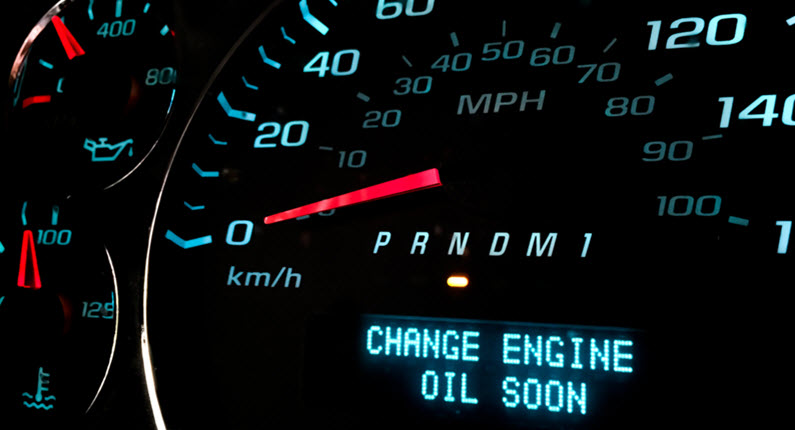
When it comes to a car as powerful and high performing as an Audi, keeping all the parts functioning properly should be your number one priority. To that end, any issues under the hood of your car should be taken care of as soon as they arise. Otherwise, they may turn into more detrimental problems down the road.
Unfortunately, not all problems under the hood are as easy to identify as a fried electrical component, and some problems are actually unintentionally caused by the vehicle owner themself. For example, old engine oil can lead to long-lasting problems under the hood that can negatively impact the performance you have come to love in your Audi.
What Does Engine Oil Do?
Engine oil is one of the most important aspects of a vehicle’s performance. Whether you are driving a high-level sports car or a family van, engine oil is imperative to the overall driveability of your car. When trying to understand how old engine oil can affect the performance of your Audi, it’s first important to cover what exactly engine oil does.
Your engine gets very hot when you drive, and engine oil is essentially the lubricant that keeps it functioning. Oil is stored in something known as a sump and gets pushed throughout the engine using oil galleries. As the oil goes through the car, there is a filter ready to catch any impurities that try to work their way through the engine.
When the engine comes under pressure as it is firing, oil is run through the system. As it passes through various areas of the engine bay, it leaves behind a slippery residue that keeps all parts of the engine lubricated and working smoothly. However, its function as a method of transferring heat is perhaps its most important.
As it travels throughout the engine bay, engine oil absorbs the heat given off and is able to transfer it away from the engine. This helps to keep your engine cool and avoid overheating.
When Does Engine Oil Go Bad?
Depending on the exact make and model of your Audi, engine oil naturally needs to be replaced anywhere between three to six months. If you take your vehicle in for routine mileage service, more often than not they changed the oil and you probably didn’t even notice.
There are a number of signs that your engine oil has gone bad, and all of them mean you should take your car in as soon as possible.
Oil Change Light
Most modern cars, especially those as technologically advanced as Audis, are capable of sensing oil levels and can alert you when it is time for a change. Should you notice an oil change light or check engine light, it may be time to take your car in for its oil appointment.
Dark and Dirty Oil
Clean oil is naturally amber in color and is even slightly translucent. As oil gets older and the filter stops working properly, engine oil can become darker in appearance, and sometimes particulates can even be seen. This can be checked by sticking the dipstick into the oil compartment and seeing if it is visible.
Excessive Mileage
Engine oil also helps to keep your mileage where it should be as advertised by the dealership. If you notice you’re putting on extra miles but not going further than normal, it is completely possible that you have old engine oil that is not doing its job properly.
How Can Engine Oil Impact Performance?
Old engine oil, due to its lack of effectiveness, can lead to lower levels of performance. As it ages, the oil may produce sludge which will retain heat rather than transfer it. This could potentially result in your engine overheating, which can lead to more serious problems. Additionally, your Audi may have worse mileage and a slower performance overall.
How Encore Motorcars Can Help

At Encore Motorcars, we understand the care and precision that goes into crafting the powerful performance you love in your Audi. Our high-quality technicians have been serving clients in Bradenton, Ellenton, Nokomis, Osprey, Parrish, Venice, Lakewood Ranch, Longboat Key, Siesta Key, University Park, and Sarasota, FL for years which means we have the expertise necessary to keep your vehicle performing well.
An engine oil change job is a simple task that professionals can complete in a matter of minutes. Trust our technicians and we’ll have you and your Audi back on the road in no time. Come visit us or give us a call to set an appointment today. We look forward to earning your business and patronage.
COMMON MERCEDES BRAKE PROBLEMS

Cars as reliable as Mercedes use a large number of parts that work together to ensure powerful performance and a car that lasts. However, like with any car, parts can get worn down and degrade over time. This is only natural, but it is important to be aware of these problems when they occur and resolve them as quickly as possible.
Of the various problems that can arise with a vehicle, few are as serious as brake problems. It should go without saying that the brakes on a vehicle are some of the most important parts of the whole system. Keeping this functioning is paramount to both the safety of passengers and the overall performance of your car. If you suspect your vehicle is having brake issues, don’t hesitate to take it into the shop right away to be fixed.
How Does the Brake System Work
Understanding the seriousness of brake issues in your Mercedes starts with understanding how the system actually works. There are a number of parts that work together to slow down your vehicle as you press on the brake pedal, but few people are actually aware of them.
As you push your foot down on the pedal, a lever is connected to a piston that pushes into a master cylinder. As it is pressed in, hydraulic fluid (also called brake fluid) gets pushed through a system of pipes that enters cylinders next to the brakes on your wheels.
The reason for the hydraulic fluid is that your foot pressing on the brake doesn’t have enough power to slow a car down as fast as you would think. In fact, it would be quite difficult to do all by yourself, so the hydraulic fluid makes this process easier by amplifying the force of your foot.
As the hydraulic fluid enters the cylinders next to your brakes, something known as a brake caliper makes the brake pad press against the brake desk. This compression slows the wheels of your vehicle and eventually brings you to a stop.
Brake issues can arise for a number of reasons under the hood and they can sometimes be difficult to spot. Despite this, it is quite important to take your vehicle in after experiencing brake problems as bad brakes can lead to life-threatening situations in your Mercedes.
Signs of Brake Issues
As mentioned, there are a number of reasons brakes may start to have problems and some signs to keep an eye out for. All of the following signs should be taken seriously and used as reasoning to take your car into the shop immediately.
Leaking Brake Fluid
Brake fluid, as discussed, is the most important part of the braking system since it amplifies the force you apply to the brake. There could, however, be a leak in the system of tubes that transports the fluid that will lead to a decrease in the overall amount as time passes. If you notice your car is leaving a trail behind you every time you brake, it may be an indication of a hydraulic fluid leak.
Squealing or Squeaking Noises
Under no circumstance should your Mercedes be making odd noises when you apply the brakes. If the sound is a high-pitched noise, almost metal on metal, it is an indicator that your brake pads may need to be replaced, as the steel is now making contact directly with steel. Otherwise, a grinding type of sign could be indicative of something caught in the brake caliper.
Spongy Brake Pedal
You know your car best and if you suddenly start feeling something different when pressing down on the brake, it’s possible that something could be stuck or something may be wrong with a cylinder. This is one of the most dangerous signs as it means your brake pedal may not work as it should.
How Encore Motorcars Can Help

At Encore Motorcars, we understand just how important brakes are and how to fix them. We serve clients in the areas of Bradenton, Ellenton, Nokomis, Osprey, Parrish, Venice, Lakewood Ranch, Longboat Key, Siesta Key, University Park, and Sarasota, FL.
Our specialty of working with German, Exotic, and Import cars means we have the knowledge and expertise needed to troubleshoot and fix your Mercedes. Don’t settle for a problem that can lead to safety issues down the line. Give us a call to schedule an appointment today or come on down to get your vehicle fixed right away.
HOW TO DEAL WITH WIRING HARNESS FAILURE IN YOUR VOLKSWAGEN WHILE DRIVING THROUGH SARASOTA
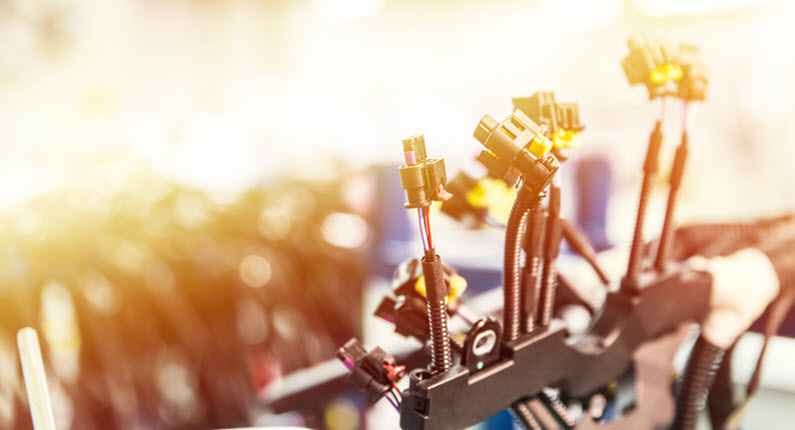
Modern vehicles have a whole host of automations that would have been unfathomable even two decades ago. From the engine to the dashboard to enhanced cruise control options, the computers inside vehicles are now capable of automating all but the most complex driver’s functions in a vehicle.
All of this is made possible by a system of wires that link various electrical components to each other and the power source, typically your car battery.
In Volkswagens, one component of this system is more likely to fail over time compared to the others is the wiring harness. This is an assemblage of various cables responsible for transmitting electrical energy. When the wiring harness fails, this can spell disaster for your engine, as you may lose functions ranging from comfort, such as the air conditioner, to essentials like engine automation.
Signs of Wiring Harness Failure
There are a few signs of wiring harness failure to be aware of if your Volkswagen is climbing in years, or if you live in an extreme climate.
One of the more obvious signs of electrical issues in general is a failure for the engine to turn over when you try to start your vehicle. While this symptom is indicative of several potential issues, wiring harness failure may be the root cause.
Flickering and dimming lights can also be a sign of wiring harness failure. All of the lights on your vehicle depend on your car battery to an extent, especially the front and rear external lights. If your wiring harness is cracked or otherwise damaged, it’s possible your lights may be low or refuse to turn on at all. If the latter occurs, your vehicle will be unsafe to drive in dim light and at night, which is a sign for you to bring your vehicle to a trusted mechanic immediately.
While a failure to provide electricity is a concern, more so is the danger when the wires short-circuit. The worst-case scenario for a failed wiring harness is if your engine catches on fire. While this is a rare occurrence, it is exceptionally dangerous. If your engine ever starts smoking black, and especially if there are flames coming from any part of your vehicle, exit the car immediately and get as far away as is safe before calling a tow truck.
Causes of Wiring Harness Failure
The most common cause of wiring harness failure is typical wear and tear over time. Volkswagen owners are most likely to notice this issue after their vehicle has climbed in years and miles. However, there are a few other factors that can contribute to wiring harness failure, as well.
For instance, extreme weather conditions such as heat or cold can negatively affect the engine, depending on how your vehicle is stored. Temperature fluctuations can cause the rubber of the harness to expand and contract, eventually leading to permanent damage such as crumbling.
The heat of your engine can also contribute to crumbling. While some of this naturally occurs over time, it’s also possible for a chronically overheating engine to inflict excess damage upon your wiring harness.
What to Do if You Notice Wiring Harness Failure
Wiring harness failure can not only be problematic but potentially incredibly dangerous. If ignored long enough, issues can compound from simple flickering lights to your engine catching on fire. That’s why it’s so important to not only know your Volkswagen, but to be prepared to bring it in to a certified mechanic as soon as issues arise.

If you suspect issues in your Volkswagen’s wiring harness or any other components, bring your vehicle to Encore Motorcars of Sarasota today. We are proud to help drivers all throughout Sarasota and surrounding areas including Bradenton, Ellenton, Nokomis, Osprey, Parrish, and Venice, FL.
Our certified mechanics are trained to treat all vehicles with the utmost respect and expert care. Furthermore, our technicians are all trained on the latest techniques and protocols to ensure that your vehicle leaves our garage in much better condition than when it came in.
Moreover, most services and parts come with a warranty, which means you can feel comfortable knowing you made the right choice in mechanics.
Connect with us


- May 2026
- April 2026
- March 2026
- February 2026
- January 2026
- December 2025
- November 2025
- October 2025
- September 2025
- August 2025
- July 2025
- June 2025
- May 2025
- April 2025
- March 2025
- February 2025
- January 2025
- May 2024
- March 2024
- February 2024
- January 2024
- December 2023
- November 2023
- October 2023
- September 2023
- August 2023
- July 2023
- June 2023
- May 2023
- April 2023
- March 2023
- February 2023
- January 2023
- December 2022
- November 2022
- October 2022
- September 2022
- August 2022
- July 2022
- June 2022
- May 2022
- April 2022
- March 2022
- February 2022
- January 2022
- December 2021
- November 2021
- October 2021
- September 2021
- August 2021
- July 2021
- June 2021
- May 2021
- April 2021
- February 2021
- January 2021
- December 2020
- November 2020
- October 2020
- September 2020
- August 2020
Archives
- Acura Repair
- Aston Martin Repair
- Audi models
- Audi Repair
- Bentley Repair
- BMW Repair
- Bradenton Used Cars
- Car Maintenance
- Encore Motorcars of Sarasota
- Encore Motorcars of Sarasota Service
- Infiniti Repair
- Jaguar Repair
- Jeep models
- Land Rover models
- Land Rover Repair
- Lexus Repair
- Luxury Car Repair
- Maserati Repair
- Maybach Repair
- Mercedes Repair
- MINI Repair
- Naples Car Dealership
- Porsche Repair
- Rolls Royce Repair
- Sarasota Car Dealership
- Sarasota Car Repair
- Uncategorized
- Used Mercedes-Benz
- Volkswagen Repair