



Mercedes-Benz has several hydraulic cylinders that are responsible for the operation of the convertible top. Depending on the model of your Mercedes, there are between 5 and 12 hydraulic cylinders.
When these cylinders develop faults, you’ll no longer be able to enjoy the convertible feature, throwing a wrench into your planned driving experience. As a result, you’ll need help and repairs to enjoy the convertible feature again in your Benz. Let’s discuss how the hydraulic convertible top breaks down and where you can go to fix it, but first, a brief description of how it works.
Your Convertible Top
A hydraulic convertible top is a car roof that can be retracted. This system is made up of several components, including the hydraulic pump and hydraulic cylinders. These are filled with hydraulic fluid.
In a Mercedes-Benz, the hydraulic convertible top is automated such that by a simple push of a button, an electric motor turns on a hydraulic pump. This pump then supplies pressure through the hydraulic fluid to the hydraulic cylinders that are located on either sides of the car, causing the convertible roof to fold back or unfold as needed.
Causes of Hydraulic Convertible Top Problems
Hydraulic convertible top problems can be attributed to several reasons. Top among these reasons is low or leaking hydraulic fluid. When the level of hydraulic fluid in the reservoir goes down, it will be difficult if not impossible for the pump to supply pressurized hydraulic fluid into the cylinders and the car roof will not be able to fold back.
In addition, when the quality of hydraulic fluid in the reservoir deteriorates on account of contamination, the fluid will be unable to build up the pressure needed to fold the convertible roof. Contamination of hydraulic fluid happens because of wear and tear of the metal parts that causes small metallic bits to be found in the fluid.
In highly-humid environments, there can be contamination from water molecules which will not only compromise the seals and corrode the metal parts, but they will also enable the decomposition of the organic hydraulic fluid. This is why it is important that you get a regular change of hydraulic fluid to ensure that any water getting into the hydraulic fluid is removed before it can corrode the metal parts.
Regular wear and tear of metal components in your Mercedes can also cause your hydraulic convertible top to develop faults. This wear and tear can only be delayed with proper servicing and maintenance scheduling.
Other external factors, such as heat, can also expedite the rate at which these components wear out, especially for the front cylinders that are located above the windscreen. The moving parts such as the hydraulic pump that controls the movement of pressurized hydraulic fluid can also break down faster due to friction.
Indicators of Hydraulic Convertible Top Problems
Problems in the hydraulic convertible top can be signified by the failure of the convertible roof to fold back or bring forward. This can be inconvenient in uncertain weather, taking away the comfort and enjoyment that should come with driving a Mercedes.
You may also notice the convertible roof moving slowly on command. This can be an indicator of low hydraulic pressure from low levels of hydraulic fluid.
Encore Motorcars Will Fix Your Hydraulic Convertible Top

* Mercedes-Benz A217 S-class image credit goes to: DarthArt.
You should always seek the help of a certified professional auto-mechanic when your
hydraulic convertible roof refuses to fold. This is because only a certified mechanic with experience in servicing European luxury brands can correctly diagnose the problem and fix it as recommended by the manufacturer. Because of the small components that play a role in the functioning of the convertible roof, it is likely that your car will need some of these parts replaced.
For Mercedes drivers in and around Bradenton, Ellenton, Nokomis, Osprey, Parrish, Venice, Lakewood Ranch, Longboat Keys, Siesta Key, University Park and Sarasota, FL, Encore Motorcars is here for you. We have an efficient team of experienced mechanics who will get your convertible top fixed as quickly as possible so that you can go back to enjoying the beautiful weather from the comfort of your car. All you need to do is call us today and we’ll get you back on the road quickly with confidence in your Mercedes.

Mini Cooper Convertible Car image credit goes to: wallix.
When it comes to keeping your Mini Cooper in top-notch shape, proper maintenance is required. There are numerous problems that can arise with any vehicle, but cars as reliable as a Mini should be serviced immediately when these problems arise. Any issue that you notice come up with your Mini should be treated as a reason to take the vehicle into the shop to ensure no further damage occurs.
On that note, a Mini Cooper’s convertible top uses intricate machinery to function and any single part not working can lead to the entire top not functioning properly. If you suspect that there may be a problem with your Mini Cooper’s convertible top, don’t hesitate to take your vehicle into the shop.
How The Convertible Top Works
To understand why it is so important to take your Mini Cooper into the shop when you notice convertible problems, it’s worth understanding how a convertible system actually works. By doing this, you may be able to recognize the parts or area of your convertible that seems to be acting up.
There are two types of convertibles: hard top and soft top. There is not Mini Cooper variant of a hard top convertible, but regardless they work roughly the same way. Depending on the year and model of your Mini, the convertible could be electric or manual. If it is the latter, the mechanism that pushes the top into the back compartment is entirely powered by you pulling on a handle. Should it be the former, a click of a button will send the entire roof into the back of the car.
Regardless, they work in similar ways. There is a large mechanism that the convertible top is attached to which compresses when you pull on a handle or click a button. This retraction mechanism is often complex and has a large number of parts that allow the entire frame to fold and unfold. In electric models, the button also opens the back storage compartment which is another potential place that convertible issues may occur.
Signs Your Convertible May Have a Problem
There are a number of important, typically obvious, signs that your convertible is having an issue. Any of these signs should be enough of a reason to take your Mini into the shop as soon as possible.
Slow Convertible Movement
One of the biggest signs, but perhaps least obvious, of an underlying problem with your convertible is if the top moves extremely slowly at the push of a button. Convertibles naturally move at a relatively quick speed, but if you notice that your top is seemingly crawling slower than usual, you may have a problem with the retraction mechanism in the back of the car.
Convertible Top Not Moving
Obviously, your convertible top not moving is the biggest sign that something has gone wrong with the entire system. This could be due to something such as the limit switches failing and a lack of electric signals being sent to the retraction mechanism. If this occurs, your convertible top will be receiving no electricity and may not move at all.
Storage Compartment Not Opening
This problem is specifically for people who have electrical convertible tops. If your storage compartment for the convertible top is not opening when you click the button, it may be indicative of a deeper electrical problem that needs to be fixed. As with the top not moving at all, the limit switches that power the retraction mechanism may be fried and in need of replacement.
Regardless of the exact convertible model you have, problems with your convertible are annoying but usually not catastrophic to the car. For the most part, taking it into the mechanic will result in a quick fix that will get you back on the road in no time at all.
Encore Motorcars For Your Mini Cooper Needs

Here at Encore Motorcars, we understand just how important it is for you to have a vehicle that is functioning completely normal.
We also know just how much trust you have garnered for your Mini Cooper and we wish to restore that trust with our quality service. We have experience servicing German, Exotic, and Asian import cars for clients across Bradenton, Ellenton, Nokomis, Osprey, Parrish, Venice, Lakewood Ranch, Longboat Key, Siesta Key, University Park, and Sarasota, FL.
This extensive experience means we have the skills and knowledge needed to fix your Mini’s convertible issues. Whatever the specific issue may be, our experienced technicians in the service department will be able to identify the problem and fix it before it becomes a bigger issue. Come on down and visit us today or give us a call to set up an appointment and see why we are one of the most trusted names in the business. We look forward to earning your trust and patronage.
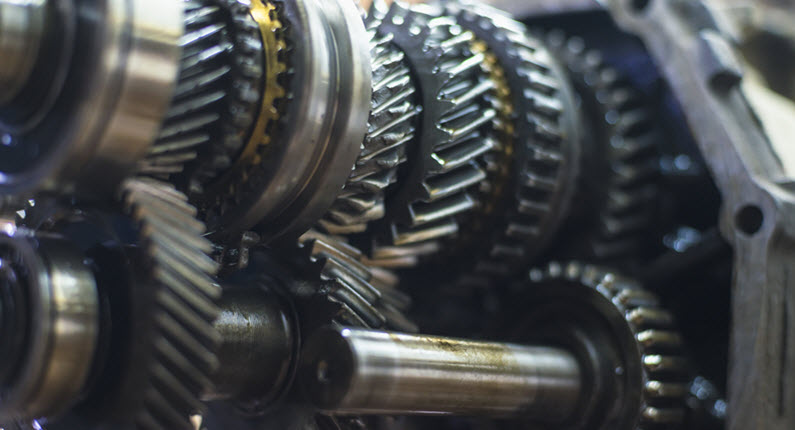
While Audis are one of the most reliable and powerful brands of European luxury vehicles, and they have only improved in quality over the years, even these dependable cars need a bit of maintenance every now and then. Otherwise, your Audi could experience minor issues that quickly become major, much more expensive problems.
The transmission in your Audi typically allows for stellar performance, but transmission issues can be sudden. You should always have this system checked during routine maintenance. Even when doing so, your vehicle may require transmission services if it starts performing oddly.
When to Have Your Audi Transmission Serviced
It is a good idea to have your Audi’s transmission checked during routine services, which you should ideally schedule every six months. At the very least, a skilled Audi service technician will inspect it for leaks.
According to the manufacturer, you should have your vehicle’s transmission serviced either every two years or after reaching 15,000 miles, whichever comes first. After that, they recommend that you schedule transmission services in another two years or after traveling another 20,000 miles.
If you suspect transmission trouble, schedule an appointment for your Audi as soon as possible.
Signs of Audi Transmission Problems
Fortunately, there are many warning signs you should catch before your transmission experiences severe performance issues. If your Audi is showing any of the following symptoms, it may have a transmission problem that requires service:
Flashing Check Engine Light
Although the check engine light can come on for several reasons, this is often an indicator of a serious problem, and that includes transmission issues. A repair shop can retrieve the code from the warning sensor to figure out the specific issue and start fixing it. This warning indicator is most likely to come on for the transmission if the fluid is contaminated or if your Audi’s computer is the problem source.
Failure to Start Transmission
If you are unable to put your Audi in gear, it could have a computer problem if it is a newer model, as they often tell the car when it should shift gears. Your transmission fluid might also be low or a transmission component, like the shifter, could be malfunctioning.
Delayed Gear Shifts
If your Audi’s transmission will still shift and go into gear but the process feels delayed, this could also be due to a low amount of transmission fluid. Neglecting maintenance, engine issues, and even intruding water can delay the transmission in this manner.
Leaking Red Fluid
If you see puddles of red fluid under your Audi after it has been sitting for a while, it is probably leaking transmission fluid from a gasket, a seal, or a cooler line. Not only is this one of the most obvious indicators that you should have your transmission serviced, it is one of the most dangerous, as it can corrode internal parts of the transmission and make your vehicle nearly impossible to control.
Buzzing or Clunking Sounds
If you are hearing bizarre sounds like a buzz or clunk from the inside of your Audi’s transmission, there is a good chance that the gears are damaged or that a bearing is loose. This could also point to an issue with bad seals or a leak within the transmission.
Grinding Gears in a Manual
If your Audi is a manual and the transmission is grinding whenever you shift gears, there may be a problem with the clutch, a shifter could be worn out, or the transmission fluid might be contaminated, low, or the wrong type.
How Encore Motorcars Can Help

Encore Motorcars is fully staffed with ASE certified mechanics. Our team has devoted decades of experience to servicing Audis and many other imported luxury brands, and we have attracted clients from Bradenton, Ellenton, Nokomis, Osprey, Parrish, Venice, Lakewood Ranch, Longboat Key, Siesta Key, University Park, and other areas near Sarasota, FL.
Transmission problems, whether current or a possibility due to a lack of maintenance, can impede the performance of your Audi. For quality service that will allow you to keep getting the best driving experience out of your vehicle, visit us at your earliest convenience. We look forward to hearing from you.

Occasionally, Aston Martins encounter issues with shifting gears. Gear shifting is controlled by the transmission, and if it’s not working properly, it could mean that your car will be unable to get up to speed when it needs to or will suddenly change gears while driving down the road. This indicates that there may be a problem with the transmission in your vehicle and if left unfixed can lead to serious consequences, including car accidents.
To help you diagnose and fix gear shifting problems, we’re going to talk about some of the common signs to watch out for and discuss where you can go to get help when you run into problems. Let’s dive in.
Signs of Transmission Problems and Gear Shifting Issues
The Aston Martin Sportshift transmission is designed with driver ease in mind. It’s lighter, allowing for greater efficiency and responsiveness. However, one major downside of this engine is that in certain models, it is prone to fail before its time. If you catch the problem early enough, however, you can take the vehicle to an experienced Aston Martin technician and they will be able to fix the problem for you. Below are some signs you should watch out for:
- Transmission warning light: When a warning light shows up on your dashboard, you shouldn’t ignore it. While sometimes it might just be nothing, often this light is an indication of a potential problem with your transmission that needs to be fixed as soon as possible. This is particularly true if the light comes on and you’re experiencing any of the other symptoms listed below.
- Gear slippage: Gear slippage occurs when you are driving down the road at a steady speed and gear, and the car suddenly shifts into a different gear even though your speed has not changed. Often, you’ll be able to tell when a gear slips because the car will suddenly jerk or lurch, and the sound of the engine may change, becoming higher pitched.
- Trouble shifting or accelerating: If your Aston Martin is having transmission problems, you may notice that you can’t get up to speed as fast as you normally should. And, even if the gear doesn’t shift randomly, you might feel a jerky sensation, often accompanied by a clunk, when trying to shift into a higher or lower gear.
- Leaking transmission fluid: As a general rule, if you see anything leaking out of your vehicle’s undercarriage, this is a cause for concern. This is doubly true for transmission fluid, since that is what allows your car to shift smoothly between gears and then maintain those gears once they reach them.
If you don’t have enough transmission fluid, it can cause the gear slipping and rough shifting that we discussed in the last two bullet points. Typically, transmission fluid should be bright red or dark red, so if you notice red fluid pooling under your car, you need to take the vehicle to the shop immediately.
- Delayed engagement: This is when you shift your car from park into drive or reverse, then press the gas, and instead of moving, the engine simply revs for a moment before suddenly lurching as the transmission catches up and shifts into the right gear. Normally, there should be no delay between shifts like this.
Dangers of a Failing Transmission
Your Aston Martin’s transmission is one of the most important parts of a car’s system, so if you notice any of these problems, you should not ignore them. Gear slipping and rough shifting aren’t just inconvenient, they can also be dangerous in situations where you need to be able to rely on your car’s ability to get up to speed efficiently.
Encore Motorcars Will Fix Your Gear Shifting Issues

Luckily, if you live in Sarasota, Florida, or any of its surrounding towns, such as Bradenton, Ellenton, Nokomis, Osprey, Parrish, Venice, Lakewood Ranch, Longboat Key, Siesta Key, or University Park, the experts at Encore Motorcars would be happy to assist you.
Aston Martins are uniquely crafted vehicles that require specialized care, and our ASE-certified technicians have decades of experience working with this brand and other foreign brands. If you’d like to bring your Aston Martin in for service or learn more about what we offer, please call or visit us today.
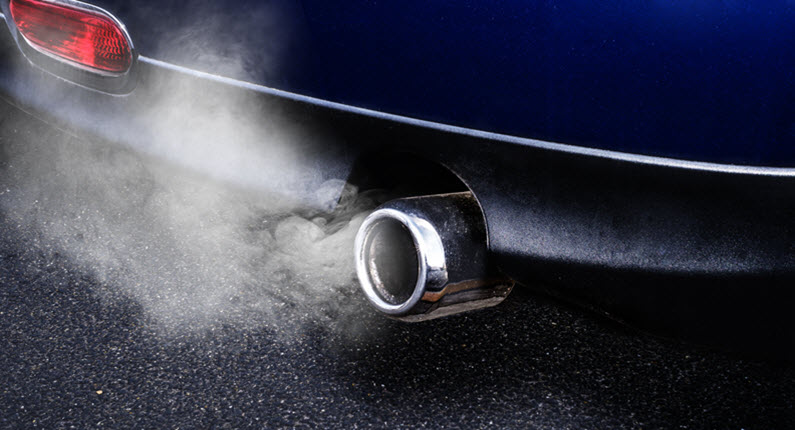
The overall health and performance of your Bentley is dependent on the exhaust system. There are several parts that combine to make the exhaust system, but it only functions well when all of these parts come together and work properly. If there is even one part that does not work well, then the whole system will fail. Sometimes a component will simply wear out because it gets old. This is why routine maintenance and checkups with a certified mechanic are so important.
What to do when your exhaust system fails?
If your exhaust system in your Bentley does not seem to be working, then it is time to take it in to a qualified mechanic. They will do a full inspection and determine what is wrong with the system. Sometimes it is a simple fix, and other times, you may need to spend more money to replace the whole system.
All car owners should recognize some of the common signs of exhaust system failure to ensure that they can catch it early. Keep reading for details.
Common Problems with the Bentley’s Exhaust System
A faulty exhaust system is never a good thing in the vehicle and must be checked out as soon as possible. There are several problems that may appear with the exhaust system of your Bentley which include:
- The oxygen sensor: Many modern cars have more than one oxygen sensor. A malfunction in just one of them is enough to cause issues. If one of the sensors stops working, the computer in the engine struggles to balance out the air and fuel mixture. This may lead to a mixture high on gas and low on air and can ruin the engine.
- Exhaust leaks: if you drive on rough roads, then you may wear out the exhaust system and cause a leak. A mechanic should take a look at the pipes and lines in the exhaust system to see if there is a leak that is causing problems.
- Exhaust smoke: It is never a good thing to see a smoking car. No matter what color it is, you need to take your Bentley to your trusted mechanic right away for a diagnostic check.
- Rust: One of the worst enemies of your exhaust system is rust. If you take shorter trips in your Bentley compared to longer ones, you may have more rust on the vehicle than normal. The rust can collect on the exhaust system, corroding the whole thing from the inside out. If you live in icy parts of the country, the salt left on the road to keep them clear can cause rust if you do not clean it off regularly.
- Noise and Vibrations: There are also a few symptoms that will show up when the exhaust system starts to fail. Many car owners start to notice there is more noise in the engine. Or there may be more vibration inside the vehicle, whether you are driving or sitting still. If either of these problems happen, it is likely to be an exhaust system issue that you need to get checked out. A certified mechanic can take a look at the engine and the exhaust system to determine what is the main source of the problem and get it fixed.
How to Prevent Exhaust System Problems

It is possible for you to prevent these issues from happening. Visit a certified mechanic every one to two years for an exhaust system check, even if you do not notice an obvious problem with the exhaust system. This will allow the mechanic to take a look at the whole system and catch potential problems before they take over and ruin the vehicle. This is also a good time to complete other routine maintenance on the vehicle.
At Encore Motorcars, we are proud to offer the best maintenance and repair services for your Bentley. We serve the residents of Bradenton, Ellenton, Nokomis, Osprey, Parrish, Venice, Lakewood Ranch, Longboat Key, Siesta Key, University Park, and Sarasota, FL for all of your vehicle needs. We look forward to earning your repeat business so give us a call today or visit us at our shop.
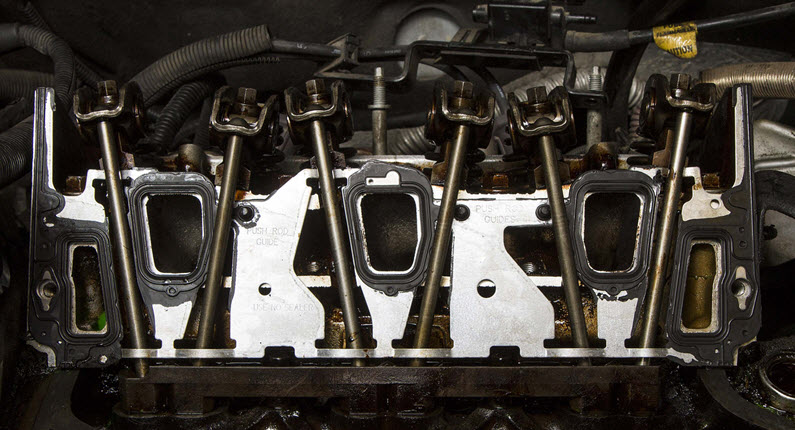
Land Rovers are some of the most safe and efficient cars on the market, but if your intake manifold gasket is starting to fail, you might have a safety hazard on your hands.
Making sure your intake manifold gasket in your Land Rover is of utmost importance. If you notice that your gasket is no longer working properly, take it to Encore Motorcars at your earliest possible convenience.
Whether you are driving from Bradenton, Ellenton, Nokomis, Osprey, Parrish, Venice, Lakewood Ranch, Longboat Key, Siesta Key, University Park, or Sarasota, Florida, we at Encore Motorcars understand the importance of ensuring a safe and reliable vehicle.
The Purpose of Your Land Rover’s Intake Manifold Gasket
Your Land Rover relies heavily on the strength and health of your intake manifold gasket. Your vehicle’s intake manifold gasket is just one part of your Land Rover’s engine. Its purpose is to help stop any air from leaking out of the engine while it is ignited or running.
The manifold gasket assists in regulating your engine chamber’s temperature as well as makes sure that no gasolines explosions happen within your Land Rover’s engine. By pulling oxygen into the engine, it not only fuels the engine but also cools it. Your Land Rover’s intake manifold gasket is positioned just between your car’s cylinder heads and its intake pipe, making sure to keep your engine running and your car safe for both you and your family.
How to Know if Your Intake Manifold Gasket is Failing
Knowing whether your Land Rover is having intake manifold gasket failure is very important. This can give you an opportunity to address the problem as soon as possible by taking your vehicle to a certified Land Rover professional rather than waiting until additional issues arise. Some signs that your intake manifold gasket is failing include:
- The engine is visibly leaking coolant: If your vehicle’s gasket is old, damaged, or worn out, you will start to notice a coolant leak. Your Land Rover’s coolant is stored by the gasket in a very pressurized chamber. If it begins to leak out, there will likely be corrosion and additional problems for your car.
- Your fuel efficiency has reduced immensely: If you notice yourself filling up on gas more often than regular, you could have a problem with your intake manifold gasket in your Land Rover. A sudden decrease in fuel efficiency can mean that the ratio or air and fuel in your cylinder is unbalanced and must be corrected by a professional Land Rover repair specialist.
- You are experiencing a bumpy idle or backfiring: If you are experiencing a bumpy ride when idling or the backfiring of your vehicle, bring it to Encore Motorcars where we can examine your car and diagnose your gasket problem.
- Your engine is overheating: If your intake manifold gasket in your Land Rover is failing, this means your coolant could be leaking out. As coolant leaks from your car, the car begins to overheat significantly. If you notice your car is warmer than usual or the thermometer reading on your dashboard shows an overheating vehicle, we suggest having it towed to Encore Motorcars.
How to Avoid A Failing Intake Manifold Gasket in Your Land Rover
Knowing how to avoid and prevent the failure of your intake manifold gasket will greatly improve the lifespan of your Land Rover. In order to avoid gasket failure you should:
- Get regular vehicle inspections at a licensed repair shop that specializes in the make and model of your car.
- Keep your fluids, oils, and coolants always topped up.
- Get regular oil changes.
- Use the designated gas for your vehicle.
- Make sure your car has enough antifreeze.
Encore Motorcars Can Diagnose and Repair Your Intake Manifold Gasket

At Encore Motorcars, we know how important your car’s reliability is to you. If you have a failing intake manifold gasket, come to Encore Motorcars where we can offer service with a smile.
As a leader in German, Exotic, and Asian Import cars, we’re committed to making maintenance easier and more convenient for you, so drivers can enjoy their luxury cars the way they were made to be.
Serving Bradenton, Ellenton, Nokomis, Osprey, Parrish, Venice, Lakewood Ranch, Longboat Key, Siesta Key, University Park, and Sarasota, Florida, we accept almost all warranty plans, offer free one-day rental cars, a free courtesy car wash, and the friendliest service in the West Florida area. Give us a call today to schedule your appointment.

A common issue that drivers experience when they skip regular maintenance is metal shavings in the oil. Many Porsche owner’s don’t realize how the metal gets into their oil or the complications involved. Let’s take a closer look at how these tiny pieces of metal enter into the oil system.
Are metal shavings in my oil a normal occurrence?
Metal shavings in engine oil is normal to a certain degree. The quantity and kind of metal shavings determine if there is a problem.
Normal everyday use of your Porsche can leave behind very tiny shavings with normal wear and tear. These pieces are so small that they are typically not visible to the naked eye. However, if the metal shavings are visible and large, now there is an issue.
Finding the metal shavings early is critical for preventing major problems. Having regular maintenance and oil changes performed will give your mechanic the opportunity to locate the metal particles. Oil is necessary for lubricating many different components. Running your Porsche with old and contaminated oil can lead to severe issues. Large metal shavings can cause engine damage and complete failure, so it’s important to maintain your engine oil properly.
Signs Your Need to Change Your Oil
If your oil is contaminated, it can severely impact the performance of your Porsche. When you regularly drive a vehicle, you know how it acts. When it begins to perform differently, give us a call. We can run diagnostics and locate the problem. We listed some common indications of oil contamination below:
- Idles Roughly: Clean oil is important for a smooth-running engine. Dirt and debris will produce friction between the components. The friction created can cause your Porsche to idle roughly.
- Loss of Power: If you notice that Your Porsche is not as powerful as it once was, you may need an oil change. Contaminated oil can make your car accelerate slower and feel sluggish. Dirty engine oil can make your engine work harder.
- Knocking Sounds: When the oil is contaminated, it can lead to friction between components. The friction will damage the parts and generate metal shavings. These shavings and oil are recirculated through the engine which can cause knocking sounds.
- Ticking Noises: The engine needs proper lubrication to run smoothly. When there is a lack of lubrication the engine can produce ticking noises.
- Illuminated Check Engine Light: The check engine light in your Porsche can be triggered by many issues. If your check engine light comes on, bring it into Encore Motorcars for service. Our technicians will run a diagnostic scan to determine the cause of the problem.
Preventative Maintenance is Essential
Porsche has put a lot of time and research into designing your maintenance schedule. Following the recommendations for service is essential for keeping your vehicle in proper working order. Regular oil changes are inexpensive and can prevent future failures and expensive service bills. Continuing to run your car with contaminated oil can cause permanent engine damage and serious side effects.
We are Here to Help
Small amounts of metal shavings are normal. However, large fragments are not. At Encore Motorcars of Sarasota, we can perform a thorough exam to determine where the metal shavings are originating.
You do not have to go to the dealership to have your Porsche serviced. Our expert mechanics will provide the same dealership quality service at a fraction of the cost. We are dedicated to helping you with all your Porsche needs. From regular maintenance, minor services to major repairs, we have you covered.
Our Porsche services include:
- A/C Service & Repair
- Battery Replacement
- Brake Service & Repair
- Check Engine Light Maintenance
- Clutch Repair
- Convertible Top Repair
- Diagnostic Inspections
- Engine Repairs
- Factory Scheduled Services
- Fluid Checks & Changes
- Mileage Specific Maintenance
- Oil Change Services
- Oil Leak Repairs
- Preventative Maintenance
- Suspension Repairs
- Tire Services
- Transmission Repairs
- Wheel Alignments
Call Us Today for all Your Service Needs

Our expert, ASE-certified mechanics at Encore Motorcars of Sarasota will handle all your Porsche service needs. With proper service and maintenance, you can help to ensure your Porsche stays in perfect condition.
We are conveniently located for drivers in Bradenton, Ellenton, Nokomis, Osprey, Parrish, Venice, Lakewood Ranch, Longboat Key, Siesta Key, University Park, and Sarasota, FL. To book your service, call our Encore Motorcars service center at 941-922-6337 or come see us at 6000 S. Tamiami Trail.

As an Audi owner, you understand the importance of routine maintenance and upkeep for the longevity, performance, and safety of your vehicle. If your automobile is indicating signs of engine failure, you might be concerned that a valve cover oil leak could be the cause of your problems. Regardless of the Audi model you own, determining the cause of engine failure can keep your car running at the advanced level you have come to expect.
Oil is essential to keeping your Audi’s powerful engine running smoothly. It reduces friction in the engine’s elaborate components and cleans its delicate parts as you ride, ensuring that you always enjoy a superior driving experience.
Common Causes of Oil Leaks
There are a few causes of valve cover oil leaks, including loose bolts or a cracked valve cover. Commonly, it’s the valve cover gasket which can become worn. The gasket sits between the valve cover and the engine and is responsible for preventing leaks as the oil lubricates the intricate moving components of the engine. Over time, however, extremes in temperature or humidity in the air can cause the gasket to become cracked, corroded, or worn. This is when oil can begin to leak from the valve cover.
As the oil continues to leak, the problem can unfortunately worsen, further damaging the valve cover, gasket, or bolts. Oil leaking from the valve cover can leak to other parts of the engine. Oil is acidic, and it can eat through exterior elements of the engine, including the spark plug gaskets. Once these are worn through, this can cause even bigger problems for your Audi.
It’s for the above reasons why it’s essential to fix your valve cover oil leak as soon as possible, so you can keep your car always running at industry standards. It can take an expert to diagnose the cause of your valve cover oil leak, but there are plenty of telltale signs that can indicate a valve cover leak.
Signs of a Valve Cover Oil Leak in your Audi
Oil smell while the engine is running
Keep in mind that a valve cover can only leak while the engine is running. As it does, the oil may contact a hot exhaust manifold on the exterior of your engine and begin to burn, causing a burning oil smell in your car.
If the oil leaks into the exhaust manifold, it can become dangerous. It’s important to nip the problem in the bud. An expert who understands the sophisticated Audi design can help to quickly diagnose and solve the problem.
Dirty Valve Cover
If you notice debris or dirt around the outside of your Audi’s valve cover, that’s a telltale sign that your valve cover is leaking. In an Audi, the valve cover is located under the hood at the top of the cylinder. Depending on how advanced the leak is, you may also notice a puddle of brown, black, or amber liquid underneath the car.
Check Engine Light On
Your Audi is designed with the most advanced and innovative automotive technology, so you can be sure that your car will indicate if there is a problem. If your check engine light is on at any point during driving, it’s a good idea to take your car to a mechanic who knows how to service your luxury vehicle.
Low Oil Level
For most Audi’s, oil should need to be refilled every 3,000 miles or approximately every three months. It’s essential to consult the Audi owner’s manual offered by your manufacturer about how to check your oil level and how often you should refill oil. If you notice your car is burning more oil than usual, this could be a sign that your car is leaking oil. If your dipstick is reading low very frequently, this could be a sign of a serious leak.
Engine Misfiring
Audis were made to run smoothly on the road, so if your car starts misfiring or running loudly, shakily, or roughly, that’s a good indication that something might be wrong. A mechanic committed to maintaining the excellence of your car can diagnose the problem and help solve it.
Encore Motorcars for Your Audi’s Engine

It’s advisable to not drive if you have a major oil leak, as it can become a fire hazard. Taking care of smaller leaks can extend the life of your Audi, keeping it running at the superior standard Audis are known for.
The German automotive experts at Encore Motorcars have been repairing valve cover oil leaks on superior car brands like the Audi for years. Our award-winning mechanics can help you determine the cause of any problem with your Audi and provide the highest quality service to keep your car running smoothly.
Our expertise and customer service are what keep Audi owners coming back to Encore Motorcars for years, whether they live in Sarasota, Bradenton, Ellenton, Nokomis, Osprey, Parrish, Venice, Lakewood Ranch, Longboat Key, Siesta Key, or University Park. Encore Motorcars is the best place to service your Audi valve cover oil leak and maintain its high-caliber standards. We look forward to earning your business.
REASONS BEHIND ACCELERATION STUMBLE IN MINI COOPER

On a car as reliable as a Mini Cooper, it may be unexpected to run into issues under the hood. These issues can range from major to minor, but you should always take your vehicle when problems occur. Some issues can cause additional problems to develop which may lead to more headaches down the road.
Keeping this in mind, watch for issues that have to do with the acceleration of your Mini Cooper. These issues can have something to do with the engine or more serious parts on your car and should be watched carefully. An example that should be attended to right away is noticing an acceleration stumble when driving your Mini Cooper. This can devolve into a major problem and, due to this, needs to be resolved by a professional right away.
How does the acceleration system work?
When you are driving your Mini Cooper, it can be easy to forget everything that is going on under the hood from the minute you put it in drive until you put it back in park. However, to gain a sense of what an acceleration stumble is and why you should fix the underlying issue, you need to understand how the acceleration system works.
Even though there are different parts used between different brands of vehicles, the general acceleration process does not change much. As you press down on the gas pedal, an intake valve usually opens to allow air into the engine bay. From there, a proprietary sensor detects how much that valve opened and responds by telling the fuel injectors how much fuel should be let into the engine.
This mixture is then ignited and the engine can fire, which allows power to be sent to the wheels. While all of this is going on, your computer is handling the transmission system on your vehicle and telling the engine what gear it needs to be in and when based on your speed and acceleration.
Depending on how much you press down on the gas pedal to move forward determines numerous factors that occur afterward. As you may have guessed by the name, an acceleration stumble is when you press down on the gas pedal and an unexpected acceleration occurs, typically a lack of power. There are a few causes for an acceleration stumble, as outlined below, and every issue warrants your attention to ensure nothing else goes wrong on your Mini Cooper.
Causes of an Acceleration Stumble
There are a number of reasons that an acceleration stumble may occur in your Mini Cooper, and any of the below causes are serious issues that should be attended to as soon as possible.
Again, it is always best to leave diagnosing this problem to a professional, rather than attempting to solve the issue by yourself. These causes are by no means the only causes, but are a few of the most common:
Problems With the Air Intake
As discussed, the air intake is supposed to open a specific amount based on how much you pressed down on the throttle. There are numerous parts that simply work to allow the intake to open, and any issues with those or the system itself may result in not enough air getting into the engine. Should this occur, you may not get enough power to accelerate forward.
Faulty Fuel Injectors
Fuel injectors are the other half of the equation and allow for the proper air to fuel mixture. If your sensors are faulty and not allowing enough or too much fuel into the engine, you may notice an acceleration stumble.
Throttle Position Sensor Failure
The throttle position sensor allows both the air intake valve and fuel injectors to know how much of both need to be added into the engine. If the sensor isn’t working when you press down on the pedal, it could easily result in an acceleration stumble in your Mini Cooper.
Choose Encore Motorcars For Your Mini Cooper Needs

At Encore Motorcars, getting your Mini Cooper back into working order and on the road will be our top priority. Diagnosing the cause of an acceleration stumble is a tricky task, but our experienced technicians are up for the challenge and can successfully fix your vehicle.
We have happily worked with clients around Bradenton, Ellenton, Nokomis, Osprey, Parrish, Venice, Lakewood Ranch, Longboat Key, Siesta Key, University Park, and Sarasota, FL, and can guarantee that we are a trusted name in the community. Give us a call or come see for yourself why we are the best in the business. We look forward to working with you.

* BMW Car image credit goes to: Roman Stasiuk.
Keeping your vehicle in working order should be the top priority for any owner of a car as reliable as BMW. There are a number of parts and systems under the hood that can have problems emerge, and any issues should be taken care of immediately by a service professional.
Keeping that in mind, repairing the VANOS of your BMW is important to the vehicle’s overall health. Any problems that may arise with the VANOS system can be extremely problematic to your vehicle and should be treated as such. Taking the necessary steps to fix any problems when they emerge is the best course of action for any vehicle owner.
What is the VANOS system?
Beginning in 1992, BMW began incorporating the VANOS system on their vehicles. This system is a variable timing valve system that directly impacts engine performance and power. Variable valve timing has developed along with cars over the years, and different companies have their respective types.
As the engine goes through the entire RPM range, valve timing is adjusted via this system to ensure proper performance and peak efficiency. When translated, the VANOS system stands for Variable Camshaft Timing and, as mentioned, handles the entire timing system.
When your BMW is at idle, this VANOS gear is retracted and does not impact valve timing at all. However, when you press down on the gas pedal, a solenoid is activated which pushes oil through the VANOS system. As the oil pressure rises, the VANOS gear inserts itself between two things known as the cam gear and the cam. This has the effect of improving emissions and helps with exhaust gas recirculation.
Any problems that emerge with this system could seriously damage certain components of your vehicle. While it may not seem important to keep this system working properly, your BMW’s performance and emissions could be greatly impacted by any problems that emerge. For that reason, getting this system fixed anytime something goes wrong should be your top priority.
Signs Something is Wrong with the VANOS System
Given that the VANOS system works intricately with the engine to produce a specific amount of power by influencing gears, there are a number of problems that can occur. Should you notice any of the below oddities happening with your BMW, considering taking the car in right away for a check-up:
Loss of Horsepower and Torque
As discussed, the VANOS system regulates the gears in the engine to help bring about proper performance. If there is a problem with the system or the gears involved, you may begin to notice a mysterious loss of horsepower or torque. If this occurs and there isn’t an easy to find the cause, consider looking into the fact that something may be wrong with this system itself under the hood.
Inconsistent Idling
Mentioned above, the VANOS gear will retract comfortably when your BMW is idling. If this does not occur, however, or if something larger is wrong with the system, you may begin to notice that your vehicle is having a rough idle. While a rough idle can be caused by a number of issues, problems with the gears under the hood are very possible. Take note of what the rough idle feels like so that you can describe it properly when you take your vehicle into the shop.
Poor Fuel Economy
The VANOS system on your car has been incredibly important to reducing bad vehicle emissions, and if there is a problem with the system you may notice an increase in emissions or worse fuel economy. Take notice if you are paying more at the pump or visiting the gas station more often.
Encore Motorcars For Your BMW Needs

At Encore Motorcars, we understand the importance of the VANOS system on your vehicle. Keeping this system in working order is something our experienced technicians will do with our vast knowledge.
We have happily helped clients from Bradenton, Ellenton, Nokomis, Osprey, Parrish, Venice, Lakewood Ranch, Longboat Key, Siesta Key, University Park, and Sarasota, FL. This helps to guarantee that we’ve seen your problem before and can be successful in trying to fix the issue. We hope you choose us as your trusted professionals. We sincerely look forward to earning your business and trust.
Connect with us


- June 2026
- May 2026
- April 2026
- March 2026
- February 2026
- January 2026
- December 2025
- November 2025
- October 2025
- September 2025
- August 2025
- July 2025
- June 2025
- May 2025
- April 2025
- March 2025
- February 2025
- January 2025
- May 2024
- March 2024
- February 2024
- January 2024
- December 2023
- November 2023
- October 2023
- September 2023
- August 2023
- July 2023
- June 2023
- May 2023
- April 2023
- March 2023
- February 2023
- January 2023
- December 2022
- November 2022
- October 2022
- September 2022
- August 2022
- July 2022
- June 2022
- May 2022
- April 2022
- March 2022
- February 2022
- January 2022
- December 2021
- November 2021
- October 2021
- September 2021
- August 2021
- July 2021
- June 2021
- May 2021
- April 2021
- February 2021
- January 2021
- December 2020
- November 2020
- October 2020
- September 2020
- August 2020
Archives
- Acura Repair
- Aston Martin Repair
- Audi models
- Audi Repair
- Bentley Repair
- BMW Repair
- Bradenton Used Cars
- Car Maintenance
- Encore Motorcars of Sarasota
- Encore Motorcars of Sarasota Service
- Infiniti Repair
- Jaguar Repair
- Jeep models
- Land Rover models
- Land Rover Repair
- Lexus Repair
- Luxury Car Repair
- Maserati Repair
- Maybach Repair
- Mercedes Repair
- MINI Repair
- Naples Car Dealership
- Porsche Repair
- Rolls Royce Repair
- Sarasota Car Dealership
- Sarasota Car Repair
- Uncategorized
- Used Mercedes-Benz
- Volkswagen Repair