

Encore Motorcars of Sarasota

Blog / MINI Repair

TURN TO US IN SARASOTA IF YOUR MINI NEEDS TRANSMISSION REPAIR

Mini-Cooper-Delayed-Shifting

The Mini Cooper is an iconic and popular car model known for its unique design, sporty handling, and efficient performance. The Mini Cooper transmission is an essential part of the car’s drivetrain, transmitting power from the engine to the wheels. However, several factors can cause the transmission to malfunction, which can lead to damage to various components of the vehicle if not properly addressed.

Causes Of Mini Cooper Transmission Problems

  • Overheating: An overheated transmission can result in damage to internal components and lead to transmission failure. Overheating can be caused by various factors, including contaminated fluid, low fluid levels, towing or hauling heavy loads, or driving in hot weather. When a transmission overheats, it can cause fluid to break down and lose its lubricating properties, resulting in increased friction and wear on internal components. This can lead to issues such as slipping gears and delayed or erratic shifting.
  • Worn-out or damaged components: Internal transmission components, such as gears, bearings, and seals, can wear out over time or become damaged due to misuse or accidents. Worn-out or damaged components can cause issues such as slipping gears, delayed or erratic shifting, and unusual noises coming from the transmission.
  • Electronic or electrical issues: Electronic or electrical systems control modern transmissions, and issues with these systems can cause malfunctions. These issues can be caused by faulty sensors, damaged wiring, or problems with the transmission control module. Electronic or electrical issues can cause various symptoms, such as delayed or erratic shifting, dashboard warning lights, or loss of power or acceleration. Having these issues diagnosed and repaired by a professional mechanic with experience with electronic or electrical systems in vehicles is important.
  • Lack of maintenance: Regular transmission maintenance is essential to keep the transmission working properly. Neglecting transmission maintenance can cause issues such as low fluid levels, contaminated fluid, and worn-out components. For example, if the transmission fluid is not changed regularly, it can become contaminated with debris and lose its lubricating properties, causing increased friction and wear on internal components.

Symptoms

There are several symptoms that can indicate a transmission malfunction in a vehicle. Here are some of the most common symptoms:

  • Delayed or erratic shifting: If you notice that your car is slow to shift or shifts erratically, it could indicate a problem with the transmission. Jerking or hesitation when shifting gears may accompany this symptom.
  • Grinding or whining noises: Unusual noises from the transmission, such as grinding or whining sounds, can indicate internal damage or wear to the transmission components.
  • Burning smell: If you notice a burning smell coming from your vehicle, it could be a sign of transmission fluid overheating or burning due to low fluid levels or internal damage.
  • Slipping gears: If you feel like your car is slipping out of gear or shifting on its own, it could be a sign of a slipping or worn transmission.
  • Loss of power or acceleration: A malfunctioning transmission may result in a loss of power or acceleration when driving. This symptom can also be accompanied by a noticeable decrease in fuel efficiency.
  • Fluid leaks: If you notice a reddish-brown fluid leaking from your car, it could indicate a transmission fluid leak. Lower fluid levels can cause the transmission to overheat and fail.
  • Dashboard warning lights: Modern vehicles have dashboard warning lights that indicate potential issues with the transmission. If you see a warning light on your dashboard, it’s important to have the vehicle inspected as soon as possible.

If you experience any of these symptoms, it’s essential to have your vehicle inspected by a professional mechanic. Ignoring these symptoms can lead to further damage to the transmission or other components of the vehicle, resulting in more costly repairs.

Encore Motorcars will Fix Any Issues in Your Mini
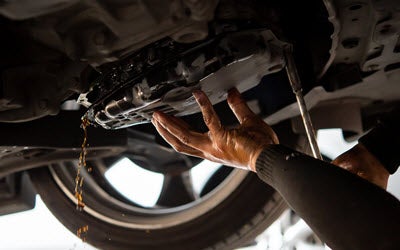
At Encore Motorcars, we have a team of experienced and skilled technicians who can diagnose and repair any transmission issues your vehicle may have.

We serve residents in SarasotaBradentonNokomisEllentonOspreyVeniceLakewood RanchParrishLongboat KeySiesta Key, and University Park, FL, and we’re committed to providing high-quality service to all of our customers.

With state-of-the-art diagnostic equipment and a commitment to customer satisfaction, we’re confident that we can get your car back on the road quickly. Don’t hesitate to book an appointment with us today to get your car running smoothly again.


Posted in:

Related Posts

MINI-Oil-Warning-Light

BEST GARAGE IN SARASOTA FOR FIXING YOUR MINI’S CRANK SEAL OIL LEAK

Is there anything worse than spotting a puddle of oil underneath your beloved Mini Cooper? It’s a common issue that many Mini owners face—a crank seal oil leak. Not only is it unsightly, but it can also lead to more significant engine problems if left unchecked. But fret not! In this blog post, we’ll guide you through the process of fixing a Mini crank seal oil leak and getting your ride back to its smooth and leak-free state. Understanding the Culprit: Crank Seal Oil Leak Before we delve into the repair process, let’s take a moment to understand the cause of this pesky issue. The crank seal, also known as the front main seal, is a small but crucial component located at the front of the engine. Its primary purpose is to prevent engine oil from leaking out and to keep contaminants from entering the engine. Over time, due to wear and tear or poor maintenance, the crank seal can develop leaks, leading to oil escaping and causing those unsightly puddles. DIY vs. Professional Repair: Weighing Your Options Now that you’re aware of the problem, the big question is: Should you tackle the repair yourself or seek professional help? While some car enthusiasts might be tempted to take a DIY approach, fixing a crank seal oil leak can be quite intricate and requires specialized tools and knowledge. If you’re not well-versed in automotive repairs, it’s best to leave this task to the professionals. This ensures that the repair is done correctly and prevents any further damage to your Mini’s engine. The Repair Process: Trusting the Experts When you decide to entrust the repair to professionals, you’re making a wise choice for your Mini’s longevity. An experienced mechanic will start by diagnosing the extent of the leak and determining whether the crank seal needs replacement. If a replacement is necessary, the following steps are generally involved: Disassembly: Skillful Hands Navigate the Engine’s Puzzle When tackling a crank seal oil leak, the repair process often begins with disassembly. A skilled mechanic will meticulously remove the necessary components to access the crank seal. This puzzle-like task might involve delicately taking out belts, pulleys, and other obstructing parts. With years of experience under their belts, these technicians navigate the engine’s intricate layout, ensuring that each piece is safely set aside for the upcoming steps. Their expertise in disassembly sets the foundation for a successful repair. Crank Seal Removal: Precision and Patience Ensure Success As the repair unfolds, the next critical step is the removal of the old crank seal. This is a task that demands precision and patience. With utmost care, the mechanic delicately extracts the worn-out seal from its housing. Every movement is calculated to avoid any unintended damage to the surrounding components. This phase of the repair showcases the mechanic’s attention to detail and their commitment to ensuring the integrity of your Mini’s engine. Preparation and Installation: Cleanliness for a Seamless Fit Before the new crank seal takes its place, meticulous preparation is key. The mechanic takes the time to thoroughly clean the area surrounding the crank seal housing. This step might seem minor, but it’s vital to ensure a seamless fit for the new seal. With a clean slate, the mechanic proceeds to carefully install the new crank seal. The seal’s placement is approached with diligence, as achieving a proper fit is paramount for preventing future leaks. Reassembly: Piecing Together Perfection With the new crank seal snugly in place, it’s time to begin the reassembly process. Every component that was removed earlier is meticulously put back in its rightful spot. This phase requires an eye for detail and a steady hand, as the mechanic ensures that each piece is aligned precisely. Testing: Ensuring a Seamless Fix The culmination of the repair process brings us to the testing phase. Before declaring the job done, the mechanic performs a comprehensive check to ensure that every part of the repair has been successful. This isn’t a mere glance; it’s a thorough inspection of all the components involved in fixing the crank seal oil leak. This meticulous testing phase serves as the final stamp of approval, confirming that your Mini Cooper is ready to hit the road without a trace of that bothersome oil leak. Don’t Let Leaks Linger – Turn to the Experts at Encore Motorcars When it comes to entrusting your cherished Mini Cooper to skilled hands, look no further than Encore Motorcars. Encore Motorcars is the go-to destination for top-notch automotive services. With our team of experienced technicians and a reputation for excellence, you can rest assured that your Mini’s crank seal oil leak will be fixed with precision and care. Don’t let a crank seal oil leak dampen your driving experience. Head over to Encore Motorcars and experience automotive excellence firsthand. Our dedication to quality repairs, exceptional customer service, and extensive expertise sets us apart as a trusted name in the industry. Put an end to those oil puddles and ensure your Mini Cooper’s engine runs smoothly for years to come. Contact Encore Motorcars today at 941-922-6337 to schedule your appointment or visit one of our convenient locations in Bradenton, Ellenton, Nokomis, Osprey, Parrish, Venice, Lakewood Ranch, Longboat Key, Siesta Key, University Park, and Sarasota, FL. Your Mini—and your peace of mind—deserve nothing less.

Mini-Cooper-Car

REPLACING YOUR MINI’S PCV VALVE IN SARASOTA

* Mini Cooper Car image credit goes to: bruev. If you’re the proud owner of a Mini Cooper, you’re likely aware of its charismatic appeal, nimble handling, and joyful driving experience. However, like any other car, it isn’t immune to mechanical issues. Have you recently noticed your Mini struggling with rough idling, reduced performance, or even excessive oil consumption? These symptoms may indicate a problem with the Positive Crankcase Ventilation ( PCV) system, a critical component of your vehicle. Understanding the PCV System The PCV system is a one-way passage for gasses to escape from the engine’s crankcase. During the combustion process, not all fuel-air mixture gets burned. This incomplete combustion produces gasses that slip past the piston rings into the crankcase. Left unchecked, these gasses can cause oil contamination and engine damage. That’s where the PCV system steps in. It routes these gasses back into the intake manifold, where they get a second chance at combustion. This not only improves engine efficiency but also reduces harmful emissions, playing a small yet crucial part in environmental conservation. The Importance of the PCV Valve At the core of the PCV system lies the PCV valve. This is a control device which determines the amount of gasses that are recirculated into the engine. The PCV valve is calibrated to allow a certain quantity of these gasses back into the combustion process, based on the engine’s speed and load. It’s important to understand that not all gasses can be reintroduced into the combustion chamber due to their potential to dilute the air-fuel mixture, disrupt combustion, and contribute to the formation of deposits. A properly functioning PCV valve ensures that the recirculation is not excessive, which could potentially lead to carbon accumulation on the intake valves and a decrease in overall performance. It also ensures the system isn’t restrictive, which could increase the pressure within the crankcase, leading to oil leaks and increased oil consumption. Decoding the Symptoms of a Faulty PCV Valve A PCV valve, the heart of this system, can sometimes fail, presenting itself through various symptoms. The most common manifestations include: Difficulty starting the engine Engine surges Black smoke being emitted from the tailpipe Oil leaks Gasket or seal failures Engine misfires The presence of oil in the MAF sensor An unbalanced air-to-fuel ratio A contaminated filter If any of these symptoms become apparent, it’s critical to get your Mini inspected immediately. Persistent driving with a faulty PCV valve can lead to engine damage and compromise your vehicle’s drivability. Understanding the Impact of a Defective PCV Valve A faulty PCV valve can have significant impacts on your Mini’s performance. It may result in increased oil consumption due to a build-up of pressure that forces oil past seals and gaskets. This can further lead to oil leaks, causing environmental harm and potential fire hazards. It can also lead to sludge formation. Sludge, a thick, dark substance, can hamper the engine’s ability to stay cool and lubricated, leading to premature engine wear and even failure. Why Encore Motorcars Should Be Your First Choice for Your Mini’s PCV Valve Replacement At Encore Motorcars, we understand how crucial it is to maintain the high performance and luxury of your Mini Cooper. Being a family-owned and operated business, we’re dedicated to delivering the highest level of service to our clients, making the process of car maintenance both straightforward and efficient. Our team, consisting of ASE certified mechanics, specializes in servicing European vehicles. Our proficiency extends to Mini Coopers, and we consistently use the latest factory-grade tools and equipment to guarantee precise and high-quality repair services. Maintaining Your Mini’s Performance with Encore Motorcars Regular maintenance is key to preventing mechanical issues, including a faulty PCV valve. Generally, these valves need to be replaced every 30,000 to 60,000 miles, depending on your vehicle’s specific usage patterns. Lack of regular maintenance, such as consistent oil changes, can lead to premature PCV valve failure due to sludge accumulation. At Encore Motorcars, our seasoned technicians not only replace the PCV valve but also perform a thorough inspection to ensure there are no other engine-related issues. Whether you hail from Bradenton, Ellenton, Nokomis, Osprey, Parrish, Venice, Lakewood Ranch, Longboat Key, Siesta Key, University Park, or Sarasota, FL, Encore Motorcars is your go-to destination for all Mini Cooper maintenance and repair needs.

MINI-Transmission-Issue

WHERE TO TAKE YOUR MINI TO REPLACE A CLOGGED TRANSMISSION FLUID FILTER IN SARASOTA

A clogged transmission fluid filter is one of the major issues you are bound to face if you own a Mini. Your transmission contains oil that can become contaminated by debris. When the transmission fluid is dirty or obstructed by a clogged filter, the internal components will lack the lubrication they require to work properly. This could lead to common symptoms of transmission problems. A clogged filter restricts transmission fluid from flowing, which can cause your transmission to overheat and wear out considerably faster due to contamination. A transmission issue in your Mini or vehicle is both a lubricant for the moving parts of your transmission and a coolant because the system can run hot. It is important to maintain your vehicle properly. How to Identify a Clogged Transmission Fluid Filter There are a few reasons that your Mini transmission might be slipping. If you notice it faster, it helps you save more. When your transmission fluid filter gets clogged, you may notice these signs: Transmission fluid leaks: The clog will stop the flow of fluid, and any loose seals or gaskets could result in leaks. Slipping clutch: In a manual transmission, you need to depress the clutch with your foot to allow the gears to a higher one to propel your car forward. The gear will not be able to re-engage properly when your transmission filter is clogged. It may slip back to a lower gear, which will cause your car to lurch and the engine to rev. Rattling: You will notice a rattling sound while you’re driving if your filter has been blocked by a serious amount of debris. The sound comes from the engine rather than the exhaust which would indicate a catalytic converter Grinding: There is a clogged transmission filter if you experience difficulty or hesitation from your transmission as you try to move from one gear to another. You may not be able to get the vehicle into gear in the worst circumstances and you’ll hear grinding as you do so. Hot Smell: Burning smells happen in serious situations in your car. You’ll notice the smell of the transmission burning, which will be a smoky, oily kind of scent, and it could actually get to the point where you see smoke coming from the engine as well. If this happens, you should pull over quickly and safely and get your car to a mechanic. In severe cases, your Mini’s engine will seize up. If you notice any of the above signs in your MINI Cooper model, it could indicate a clogged filter. Your car needs an expert to diagnose and repair the problem at its root cause. Where to Fix a Clogged Transmission Fluid Filter in Sarasota The addition of more transmission fluid to an already contaminated reservoir can actually generate sludge and varnish deposits to clog filters, restricting transmission fluid flow. This can lead to serious malfunction or even complete failure of transmission fluid. Transmission fluid needs to be drained and replaced, as with motor oil. Not all transmission filter problems will require a replacement, but the longer you leave the issue the more likely it is. Because your transmission filter is designed to filter out sludge and debris, it must be changed out on schedule or when it is used more often. If you haven’t replaced your transmission filter in a while, you’re at risk of creating a significant clog. Encore Motorcars is the best auto mechanic shop in Sarasota to fix a clogged transmission fluid filter in your Mini. We’re committed to making maintenance easier and more convenient, so drivers can enjoy their luxury cars the way they were designed. Our ASE-certified mechanics always use the latest factory-grade tools and equipment, and we are proud that over 40% of our clients are referrals from other happy customers. We offer our services not only in Sarasota but also Venice, Lakewood Ranch, Bradenton, Ellenton, Nokomis, Longboat Key, Osprey, Parrish, Siesta Key, and University Park, FL. Visit our shop or give us a call at 941-922-6337 to schedule an appointment with us today! We look forward to earning your business.