
Encore Motorcars of Sarasota

Blog / Jaguar Repair

DEALING WITH EXHAUST MANIFOLD GASKET FAILURE IN JAGUARS

Jaguar-Engine-Overheating

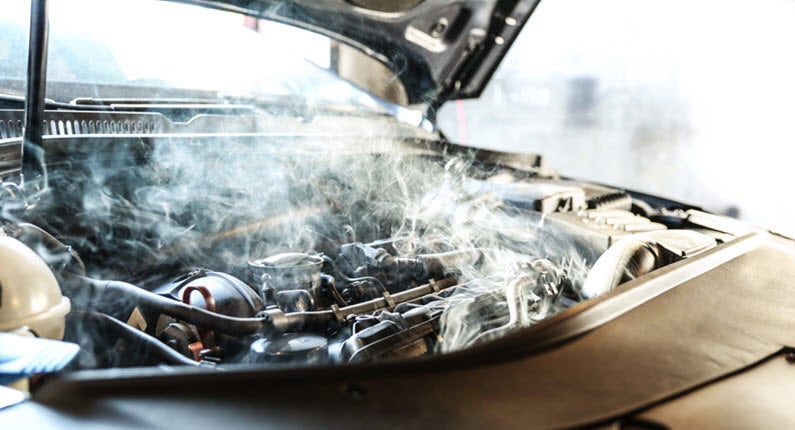
Exhaust manifold gasket failure is a common problem that can occur in a Jaguar vehicle. This issue can cause a variety of problems, including reduced engine performance, increased fuel consumption, and even damage to the engine itself. If you suspect that your Jaguar may be experiencing exhaust manifold gasket failure, it is important to address the problem as soon as possible. In this article, we will discuss what exhaust manifold gaskets are, the symptoms of gasket failure, and how to deal with this problem in your Jaguar.

What are Exhaust Manifold Gaskets?

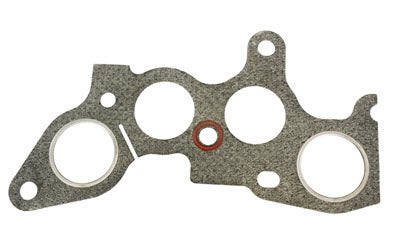
Exhaust manifold gaskets are small, flat seals that are used to seal the connection between the exhaust manifold and the engine. These gaskets are designed to prevent exhaust gases from escaping, which can cause a variety of problems if left unchecked. Over time, exhaust manifold gaskets can become damaged or wear out, which can lead to gasket failure.

Symptoms of Exhaust Manifold Gasket Failure

There are several symptoms that may indicate that your Jaguar is experiencing exhaust manifold gasket failure. These symptoms include:

  • Decreased engine performance: If your Jaguar’s engine is not performing as well as it used to, this may be a sign of gasket failure. Exhaust gases that are allowed to escape through a damaged gasket can cause a loss of power and reduced engine efficiency.
  • Increased fuel consumption: When exhaust gases are allowed to escape, it can lead to increased fuel consumption. If you notice that your Jaguar is using more fuel than usual, this could be a sign of exhaust manifold gasket failure.
  • Excessive exhaust smoke: If you notice excessive smoke coming from your Jaguar’s exhaust, this could be a sign of a problem with the exhaust manifold gaskets. Excessive smoke may be a sign of exhaust gases escaping, which can be caused by a damaged or failing gasket.
  • Engine overheating: If your Jaguar’s engine is overheating, this could be a sign of gasket failure. When exhaust gases are allowed to escape, they can cause the engine to run hotter than it should, leading to overheating.
  • Misfiring or rough running: If your Jaguar’s engine is misfiring or running rough, this could be a sign of exhaust manifold gasket failure. When exhaust gases are allowed to escape, they can cause the engine to run poorly, leading to misfiring or rough running.

Addressing the Issue With Exhaust Manifold Gasket Failure in a Jaguar

If you suspect that your Jaguar is experiencing exhaust manifold gasket failure, it is important to address the problem as soon as possible. Here are some steps you can take to deal with this issue:

  1. Have the problem diagnosed: The first step in dealing with exhaust manifold gasket failure is to have the problem diagnosed by a mechanic. A mechanic will be able to determine if the problem is indeed a gasket failure and will be able to advise you on the best course of action.
  2. Replace the gasket: If the problem is indeed a gasket failure, the gasket will need to be replaced. This is a job that should be performed by a mechanic, as it requires special tools and expertise.
  3. Repair any additional damage: If the gasket failure has caused any additional damage to the engine, this will also need to be repaired. This could include damaged cylindersvalves, or other engine components.
  4. Follow the manufacturer’s recommended maintenance schedule: To prevent future gasket failure, it is important to follow the manufacturer’s recommended maintenance schedule. This includes regular oil changes and other routine maintenance tasks.

Bring Your Jaguar to Encore Motorcars
Even the most well-maintained vehicles can experience malfunctions, and for those who drive Jaguars, exhaust manifold gasket failure is something to look out for.

At Encore Motorcars, serving Sarasota, FL and its surrounding areas including Bradenton, EllentonNokomisOspreyParrishVenice, Lakewood RanchLongboat KeySiesta Key, and University Park, our expert mechanics have the knowledge and skills to help diagnose and repair any issue; we will determine if a failed gasket is indeed causing your Jaguar’s exhaust problems.

We use only quality replacement parts so that you can be assured of a reliable and long-lasting solution. Our friendly staff will work with you to make sure that not only is your vehicle fixed but that it remains safe on the roads too.



Posted in:

Related Posts

White-Jaguar-XJ-Car

THE BEST REPAIR FACILITY FOR A JAGUAR TIMING CHAIN TENSIONER FAILURE

If you are hearing a mysterious rattling noise from your Jaguar engine, this problem might be caused by tensioner failures in your model’s timing chain system. To fully grasp the gravity of this issue, let’s first understand what a timing chain is and the crucial role the tensioner plays in your Jaguar’s engine. In your Jaguar’s engine, the timing chain is responsible for the rotation in the crankshaft and camshaft. This synchronization helps to ensure that the engine’s valves are opened and closed at the right moments to allow for optimal combustion and performance. The Role of the Tensioner Now, let us talk about the timing chain tensioner. This is a small component that plays a pivotal role in maintaining the appropriate tension within the timing chain. The tensioner consists of a piston that exerts pressure on the timing chain, keeping it taut and preventing any unnecessary slack. This precision is crucial because any excess play in the timing chain can lead to misalignment, impacting the engine’s performance and potentially causing catastrophic damage. How to Spot Tensioner Failure Identifying a failing timing chain tensioner early on can save you from extensive damage to your engine. Keep an attentive ear and eye out for these telltale signs: Rattling Noises: When you hear a distinct rattle or clatter from your engine, especially during startup, it’s often a red flag for a failing or loose tensioner. This noise arises due to the increased slack or improper tension in the timing chain caused by the tensioner’s inability to maintain the required tension level. Engine Performance Issues: A poorly functioning timing chain tensioner can significantly impact your Jaguar’s performance. Reduced engine performance, such as sluggish acceleration or difficulties starting the car, can stem from a compromised timing chain. When the tensioner fails to maintain proper tension, the timing chain may slip or skip teeth on the sprockets, affecting the engine’s timing. This, in turn, leads to suboptimal combustion, resulting in decreased power and responsiveness. The Most Common Reasons of a Tensioner Problem Natural Breakdown The tensioner comprises various moving parts, including springs and a hydraulic mechanism, all subject to wear during engine operation. Over time, this wear and tear can lead to decreased tensioning ability, ultimately resulting in diminished performance and eventual failure. Lack of Maintenance Regular maintenance, particularly timely oil changes, is crucial for the health of the tensioner. Engine oil acts as a lubricant, keeping the tensioner’s components working smoothly. However, neglecting oil changes can cause oil sludge buildup, impeding the tensioner’s functionality. This buildup increases friction and hampers the tensioner’s ability to operate optimally, leading to potential malfunction. The Solutions and Remedies When facing potential timing chain tensioner issues in your Jaguar, swift action is key to preventing further damage. Here are a few steps to address the problem: Regular Maintenance: Adhere to your Jaguar’s recommended maintenance schedule, ensuring timely oil changes and inspections by certified technicians. This simple yet crucial step can significantly prolong the lifespan of your timing chain tensioner. Professional Diagnosis: At the first sign of trouble, consult a qualified mechanic or Jaguar specialist to diagnose the issue accurately. They can conduct thorough inspections using specialized tools to pinpoint the tensioner’s exact problem. Tensioner Replacement: If diagnosed with a faulty tensioner, replacing it promptly is crucial. Opt for genuine Jaguar parts or high-quality aftermarket alternatives recommended by professionals to ensure optimal performance and longevity. Your Premier Destination for Jaguar Timing Chain Tensioner Maintenance If you find yourself facing unsettling rattle or any other signs of timing chain tensioner issues, worry not. At Encore Motorcars we stand as your beacon of expertise and reliability. Our workshop is armed with ASE-certified technicians who have the skill to diagnose and address any tensioner issues in your Jaguar. With state-of-the-art tools & equipment at our disposal, we’re equipped to restore your vehicle’s timing chain tensioner to optimal functionality, ensuring your Jaguar continues to command attention on the roads. We are conveniently situated in Sarasota, FL, and our service extends to drivers from neighboring cities, including Bradenton, Ellenton, Nokomis, Osprey, Parrish, Venice, Lakewood Ranch, Longboat Key, Siesta Key, and University Park. When you entrust your Jaguar to us, rest assured that we will deliver excellent services. So, don’t hesitate to reach out. Call us now.

Jaguar-Old-Water-Pump-1

SARASOTA’S MOST SOUGHT-AFTER REPAIR SHOP FOR A JAGUAR’S WATER PUMP FAILURE

Have you ever wondered how your Jaguar’s engine manages to keep its cool even when it’s working hard to generate power? The secret lies in a small but incredibly important component called the water pump. The water pump is your engine caretaker because it ensures that things don’t get too hot under the hood. It is responsible for making sure the engine stays at the right temperature by moving a special liquid called coolant all around. This task is crucial because engines produce a lot of heat when they burn fuel, and if this heat isn’t controlled, it can cause a range of problems, from making the engine less efficient to causing severe damage. So, the water pump’s job is to keep the engine’s temperature just right by circulating the coolant, which absorbs heat, and then guiding it to the radiator, where it cools down before returning to the engine. Common Reasons for Water Pump Trouble The water pump in your Jaguar might run into problems for several reasons: Aging and Wear: Just like a pair of shoes, car parts can wear out over time. The mechanical parts of a water pump can degrade due to regular use, leading to reduced efficiency and eventually causing the pump to fail. Impeller Troubles: Inside the water pump, there’s a part called the impeller that acts like a mini fan, moving the coolant around. If this impeller gets damaged due to debris or corrosion, its ability to circulate coolant can be affected. Leaky Predicaments: Imagine a tiny leak in a water pipe at home – it’s a similar story with the water pump. If there’s a small leak around the pump’s seals or gasket, the coolant might escape, causing a drop in coolant levels and disrupting the cooling process. Neglected Care: Just as you need food and water to stay healthy, cars need proper care to stay in good shape. Skipping things like regular coolant changes and maintenance can accelerate wear and tear on the water pump. Effects of Water Pump Failure When the water pump in your Jaguar gives up, its effects are felt throughout the car: Too Hot to Handle: The most immediate consequence of a failing water pump is engine overheating. This can lead to more serious issues like warped cylinder heads, blown gaskets, and in extreme cases, even engine seizure. Reduced Performance: As the engine temperature rises beyond the norm, its efficiency takes a nosedive. This results in reduced power, slower acceleration, and decreased fuel efficiency. Cooling Issues for A/C: Interestingly, the water pump also plays a role in keeping your car’s air conditioning system If the pump isn’t working as it should, your A/C might not perform well, particularly on hot days. Transmission Turmoil: Overheating can have a domino effect on other car parts, including the transmission fluid. When the engine gets too hot, it can impact the transmission fluid, leading to gear problems and other transmission-related issues. Safeguarding Your Jaguar Water Pump Thankfully, there are steps you can take to ensure your Jaguar’s water pump functions smoothly and your engine stays happy: Choose Quality Coolant: When it comes to coolant, quality matters. Always use the manufacturer-recommended coolant type for your Jaguar. High-quality coolant contains the right additives to protect against corrosion and maintain optimal performance of your water pump and entire cooling system. Stay Attuned to Temperature Gauges: Stay observant while driving. If you notice your temperature gauge inching towards the “ hot” zone, it’s a sign that your cooling system – including the water pump – might not be functioning properly. Routine Maintenance is Key: Regular maintenance is the cornerstone of a healthy car, and your Jaguar is no exception. Follow the manufacturer’s recommended maintenance schedule meticulously. This includes scheduled coolant changes and inspections. Ensuring that the coolant is clean, at the right levels, and has the correct mixture can significantly prolong the life of your water pump and prevent cooling system issues. Having your Jaguar inspected by trained professionals is crucial. They can identify early signs of water pump trouble, such as leaks, corrosion, or worn components. A professional assessment can prevent minor issues from snowballing into major repair endeavors. Expert Care for Jaguar’s Water Pump at Encore Motorcars At Encore Motorcars, your Jaguar’s water pump concerns are in capable hands. Our expertise is recognized by drivers across Bradenton, Parrish, Ellenton, Nokomis, Osprey, Venice, Longboat Key, Lakewood Ranch, Siesta Key, University Park, and Sarasota, FL. Don’t hesitate to schedule an appointment with us for expert care and reliable solutions for your Jaguar.

Jaguar-F-TYPE-Car

SARASOTA’S LEADING GARAGE TO FIX A JAGUAR’S FRONT WHEEL BEARING FAILURE

Your front wheel bearing is a critical component in ensuring the smooth and safe operation of your Jaguar. While you may not be aware of this part or its important functions, it’s essential for Jaguar owners to know what to look for and address front wheel bearing failure as soon as possible to avoid consequences. At the heart of your Jaguar’s wheel assembly lies the front wheel bearing, a seemingly small yet profoundly important component. It comprises a set of steel balls encased in a metal ring, and its role is to facilitate the smooth rotation of your wheel on the axle with minimal friction. It allows your car’s wheels to spin freely while bearing the weight of the car. What Happens When a Jaguar Experiences Front Wheel Bearing Failure? The failure of a front wheel bearing can lead to several undesirable consequences, making it essential to understand the potential risks as a Jaguar owner. One of the most apparent risks is the premature wear and tear of your tires. When a front wheel bearing is compromised, it can result in uneven tire wear patterns. This not only shortens the lifespan of your tires but also necessitates more frequent replacements, adding to your maintenance costs. An ailing front wheel bearing can severely affect your Jaguar’s handling. It may lead to instability, causing difficulties in controlling your car, especially when navigating tight turns or driving in challenging road conditions. Such handling issues can compromise your safety. Lastly, neglecting front wheel bearing issues can lead to more extensive and expensive repairs down the road. If the problem is not addressed promptly, it may cause damage to other critical components, such as the wheel hub or spindle. This could result in costly repairs and extended downtime for your Jaguar. Why Maintain Your Jaguar’s Front Wheel Bearing? On the flip side, keeping your front wheel bearing in excellent condition offers a range of benefits: Peace of mind: Safety should be a top priority when it comes to car maintenance. A well-maintained front wheel bearing ensures proper wheel alignment and handling, reducing the risk of accidents. It offers peace of mind, knowing that your Jaguar is operating safely on the road. Excellent driving experience: A properly functioning front wheel bearing contributes to a smooth and comfortable ride. It minimizes vibrations and noise, enhancing your overall driving experience. Superior fuel efficiency: Well-maintained front wheel bearings can reduce rolling resistance. This translates to improved fuel efficiency, allowing you to travel further on a single tank of gas. Better fuel economy means savings for you and less impact on the environment. How You Can Detect Front Wheel Bearing Issues in Your Jaguar Right Away To address front wheel bearing issues effectively, you need to be able to detect them. Watch out for unusual sounds coming from the wheel area. These noises may include grinding, clicking, or humming sounds. If you hear any of these, it’s time to investigate further. Periodically inspect your tires for irregular wear patterns. If you notice that one side of your tires is wearing down faster than the other, it could be a clear sign of front wheel bearing problems. If you find that your Jaguar’s steering feels loose, imprecise, or more challenging to control, this could be a direct result of front wheel bearing issues. It’s crucial not to ignore these warning signs. How to Fix Jaguar Front Wheel Bearing Issues Quickly and Efficiently When you suspect or confirm front wheel bearing issues, you’ll want to address them promptly to maintain the performance and safety of your Jaguar. Your best course of action is to consult a certified Jaguar mechanic with experience in diagnosing and repairing front wheel bearing issues. They possess the necessary expertise, tools, and access to quality replacement parts. In most cases, damaged front wheel bearings need to be replaced. A professional mechanic will know which components need replacement and will use high-quality parts to ensure long-lasting performance. To avoid front wheel bearing issues altogether, it’s essential to incorporate regular maintenance into your car care routine. Routine inspections can identify problems at an early stage, preventing them from escalating into costly repairs. Maintenance includes cleaning, lubricating, and adjusting the bearings as necessary. Stop Overlooking Your Jaguar’s Front Wheel Bearing * Jaguar F-TYPE Car image credit goes to: photosvit. The front wheel bearing of your Jaguar is an often-overlooked component that plays a crucial role in your car’s overall performance, safety, and comfort. Recognizing the risks associated with front wheel bearing failure and the benefits of proper maintenance is essential for all Jaguar owners. Should you experience any issues or suspect problems with your front wheel bearing, don’t hesitate to contact Encore Motorcars, the leading garage in Bradenton, Ellenton, Nokomis, Osprey, Parrish, Venice, Lakewood Ranch, Longboat Key, Siesta Key, University Park, and Sarasota, FL. Our team of dedicated mechanics is here to provide expert assistance and ensure that your Jaguar remains in peak condition.