
Encore Motorcars of Sarasota

Blog / Volkswagen Repair

COMMON FACTORS THAT LEAD TO A VOLKSWAGEN EMISSIONS TEST FAILURE

Volkswagen-Emissions-Test (1)

Is your Volkswagen car or SUV due for an emissions test? As conscientious drivers, we all strive to keep our cars eco-friendly, reduce our carbon footprint, and ensure that we meet the required emission standards. When it comes to passing those crucial emission tests, several factors can throw a wrench into the works. We want you to understand how to keep your Volkswagen running cleanly and efficiently while minimizing its environmental impact.

What is an emissions test failure?

Emission test failure occurs when a vehicle does not meet the established emissions standards during regulatory state testing. It indicates that the car, truck, or SUV is releasing excessive pollutants into the atmosphere, such as carbon monoxide (CO), nitrogen oxides (NOx), hydrocarbons (HC), and particulate matter.

Emission test failures are a concern for environmental reasons, as they contribute to air pollution and may pose health risks. Addressing the underlying issues through repairs and maintenance is essential to pass emissions tests and reduce environmental impact.

Why Your VW Could Fail an Emissions Test

Malfunctioning Oxygen Sensor

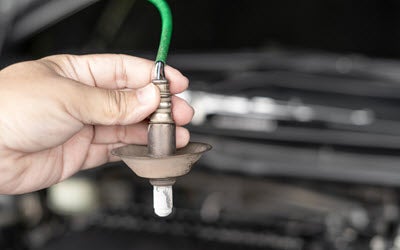
The oxygen sensor is a critical component in your Volkswagen emissions system. It measures the oxygen in the exhaust gases and sends this info to the engine control unit (ECU). The ECU uses data from the oxygen sensor to adjust the air-fuel mixture in real-time. If the sensor is malfunctioning or sending inaccurate data, the ECU may not optimize the fuel mixture correctly. This can lead to a rich (too much) fuel mixture, which can result in elevated emissions. The sensor can malfunction when it is old, contaminated, or damaged.

The oxygen sensor is a critical component in your Volkswagen emissions system. It measures the oxygen in the exhaust gases and sends this info to the engine control unit (ECU). The ECU uses data from the oxygen sensor to adjust the air-fuel mixture in real-time. If the sensor is malfunctioning or sending inaccurate data, the ECU may not optimize the fuel mixture correctly. This can lead to a rich (too much) fuel mixture, which can result in elevated emissions. The sensor can malfunction when it is old, contaminated, or damaged.

Catalytic Converter Issues

The catalytic converter reduces harmful exhaust gases by converting them into less harmful compounds. A faulty catalytic converter cannot perform its job effectively. It can get clogged due to carbon deposits or damaged due to overheating. This leads to increased emissions of carbon monoxide, nitrogen oxides, and hydrocarbons, which are harmful to the environment and can cause your VW to fail an emissions test.

Exhaust System Leaks

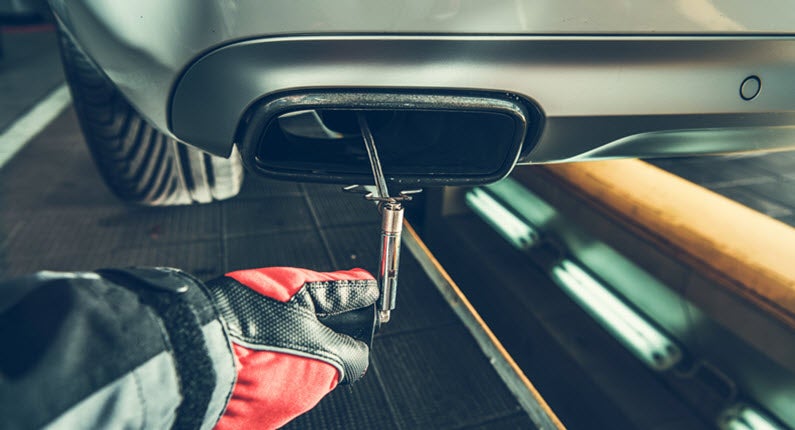
The exhaust system carries exhaust gases from the engine to the catalytic converter and then out. It must be sealed to prevent leaks. Any leaks or damage in the exhaust system can allow unburned fuel and harmful gases to escape before they reach the catalytic converter. This results in elevated emissions and can lead to a failed emission test. Exhaust system leaks can occur due to corrosion, physical damage, or poor maintenance.

Clogged Air Filter

The air filter is responsible for trapping dust and debris from the incoming air before it reaches the engine. It ensures that clean air is used in the combustion process. A clogged air filter restricts the airflow to the engine, affecting the air-fuel mixture. This disruption can lead to incomplete combustion, higher emissions of CO and HC, reduced engine performance, and decreased fuel efficiency. Air filter clogs typically result from neglecting regular maintenance. Replacing the air filter at recommended intervals is crucial to maintain engine efficiency and emissions control.

Excessive Oil Consumption

The engine oil lubricates moving parts and helps seal the combustion chamber. If the engine consumes excessive amounts of oil, it can lead to increased emissions, as oil can be burned in the combustion process. This results in elevated levels of pollutants in the exhaust gases. Excess oil consumption can be caused by worn piston rings, valve seals, or gaskets.

Evaporative Emission Control System Issues

The Evaporative Emission Control System (EVAP) is designed to prevent the release of fuel vapors into the atmosphere. It includes components like the gas cap, charcoal canister, and purge valve. Problems with the EVAP system, such as a faulty gas cap, can lead to emissions of fuel vapors into the atmosphere. This contributes to increased hydrocarbon (HC) emissions and can result in a failed emissions test. EVAP system issues can arise from damaged components, loose connections, or sensor failures.

Guaranteed Emission Test Success In Your Volkswagen
Addressing the common problems that can lead to a Volkswagen emission test failure is essential for both the environment and your car’s performance.

At Encore Motorcars, we can help to ensure that your Volkswagen runs smoothly and eco-consciously. Our expert team is dedicated to helping you overcome these challenges and ensuring that your vehicle meets emission standards.

We are located to serve VW drivers in Bradenton, Ellenton, Nokomis, Osprey, Parrish, Venice, Lakewood Ranch, Longboat Key, Siesta Key, University Park, and Sarasota, FL. Let us help you resolve your emissions-related concerns; schedule an appointment now!

Posted in:

Related Posts

Volkswagen-Rear-Spring-1

FACTORS LEADING TO BROKEN REAR SPRINGS IN A VOLKSWAGEN

Have you ever experienced a mysterious sound or sensation from the back end of your Volkswagen? If that is the case, you might be confronted with a broken rear spring. While Volkswagens are known for their reliability and performance, like every vehicle, they may develop problems with time, one of which is broken springs. Let us take a closer look at the issues that can make your VW rear springs break and what you can do to mitigate them. Causes of Broken Rear Springs in Your Volkswagen Age of the Vehicle: As your VW gets older, the suspension components such as the rear springs gradually weaken due to natural wear and tear. The continuous effect of heat, cold, and vibration may cause the springs to lose their elasticity or more likely to fail. If you drive an older model of Volkswagen, you have to be vigilant about checking and changing the worn parts of the suspension for your vehicle to be safe and perform well. Overloading: Putting too much weight or cargo in your Volkswagen can also be a reason for the rear springs to be broken. If the vehicle is overloaded, the springs will have to bear more weight than they were designed for, which means they will wear out quickly and eventually break. Ensure that you follow your Volkswagen’s recommended weight limits and do not overload your vehicle. Poor Maintenance: Failure to observe regular maintenance can also be responsible for damaged rear springs. Not checking and greasing the suspension components, springs, in particular, can contribute to faster corrosion and destruction thus leading to a premature failure. Frequent maintenance checkups are designed to detect any problems before they become too expensive to fix in the future. Impact Damage: Sometimes, the rear springs may break as a result of an impact. Driving through potholes, speed bumps or other road hazards at high speeds causes strain on springs that may cause them to crack or even break. By staying away from extreme road situations and using defensive driving strategies you can significantly lower the danger of impact damage to your Volkswagen’s suspensions. DIY Modifications: Attempting DIY modifications or repairs on your Volkswagen’s rear suspension system may prove ineffective. A wrong way of installing or modifying suspension components may put more pressure on the coil springs, leading to their failure. It is always advisable to leave the complicated repairs and modifications to persons who have been trained and are equipped with the knowledge and tools to handle the tasks safely and appropriately. Corrosion: Corrosion is yet another cause of a damaged rear spring. Prolonged contact with moisture, road salt, and other environmental elements can lead to the slow oxidation and deterioration of the springs. Over time the metal will be getting weaker and will be more brittle. If you do not want the springs to break, you need to shield them from corrosion as much as you are able to. By learning about these factors and taking precautions to avoid them you will be able to maintain your car suspension system in good shape and avoid paying for the repair of broken rear springs. Ensure that you set up a regular maintenance schedule with your trusted VW technician and fix any problems immediately to maintain the good performance and safety of your vehicle for many years. Come To Our Shop If You Need Professional Volkswagen Repairs At Encore Motorcars, we are ready to assist you with the repair and maintenance of your Volkswagen. As the number one full-service dealership in the Sarasota area, we provide sales and services for the most sought-after German, Exotic, & Asian import auto brands. We have managed to attain a standard of quality and excellence and now we are known as a provider of high-quality service to drivers from Bradenton, Ellenton, Osprey, Parrish, Nokomis, Venice, Lakewood Ranch, Siesta Key, Longboat Key, University Park, and Sarasota, FL. It doesn’t matter if you’re struggling with your rear springs or any other automotive part, our team of professionals is always ready to offer the best assistance. Call us today to schedule a visit and feel the difference in the quality our services center offers for Volkswagen cars.

Volkswagen-Oil-Sludge-Buildup

5 TIPS TO AVOID OIL SLUDGE BUILDUP IN VOLKSWAGEN

Maintaining the health and performance of your Volkswagen is crucial for a smooth driving experience. One common issue that can compromise your engine’s efficiency is oil sludge buildup. Oil sludge is a thick, gelatinous substance that forms when engine oil breaks down and mixes with contaminants. In Volkswagens, as in many other vehicles, this can lead to serious engine problems if not addressed early. Choose the Right Oil Selecting the appropriate engine oil is the first line of defense against oil sludge buildup. Refer to your Volkswagen owner’s manual for the manufacturer’s recommended oil specifications. Pay attention to factors such as viscosity and performance standards. Using the wrong oil can lead to accelerated sludge formation and hinder your engine’s optimal performance. High-quality synthetic oils are often recommended for their superior resistance to breakdown and better protection against sludge formation. Get Regular Oil Changes Frequent and timely oil changes are paramount in preventing oil sludge buildup. Over time, engine oil loses its viscosity and becomes less effective in lubricating and protecting the engine components. Follow the recommended oil change intervals specified in your owner’s manual, and consider more frequent changes if you drive in harsh conditions or engage in stop-and-go traffic regularly. Regular oil changes ensure that your engine is running with clean and effective oil, minimizing the risk of sludge formation. Monitor Oil Levels and Quality In addition to following a regular oil change schedule, it’s essential to monitor your oil levels and quality between changes. Check the oil dipstick regularly to ensure that the oil level is within the recommended range. Also, pay attention to the oil’s color and consistency. If you notice a dark, thick, or gritty texture, it may indicate the presence of sludge or other contaminants. Address any abnormalities promptly, as early detection can prevent further damage. Use High-Quality Oil Filters The role of the oil filter is to trap contaminants and debris, preventing them from circulating through the engine. Using a high-quality oil filter is crucial in maintaining the cleanliness of your engine oil. Cheap or subpar filters may not effectively capture all particles, allowing them to contribute to sludge formation. Invest in quality filters that meet or exceed the manufacturer’s specifications, and be sure to replace them at every oil change. Take the Scenic Route to Extend Short Trip Frequent short trips can contribute to oil sludge formation. In such situations, the engine may not reach the ideal operating temperature long enough to burn off accumulated contaminants. If possible, combine short trips into one longer journey to give your engine sufficient time to warm up and operate at peak efficiency. This practice not only helps prevent sludge buildup but also improves efficiency and reduces overall wear on the engine. What Happens When There Is Oil Sludge Clogged Passages and Oil Channels: As sludge accumulates, it can clog the small passages and oil channels in the engine. This restricts the flow of oil to critical components, such as the pistons, camshaft, and bearings. Insufficient oil circulation can cause parts several problems, including engine damage. Poor Engine Performance: An engine affected by oil sludge may experience decreased power and efficiency. Sludge buildup can interfere with the proper functioning of various engine parts, negatively impacting combustion and overall performance. Increased Heat: Oil is not just a lubricant; it also helps regulate engine temperature by carrying away heat. Sludge, being a poor conductor of heat, hinders the oil’s ability to dissipate heat effectively. This can lead to increased engine temperatures, posing a risk of overheating and potential damage to critical components. Oil Pump Damage: The oil pump is responsible for circulating oil throughout the engine. Sludge can compromise the pump’s ability to function correctly by clogging its intake or damaging its internal components. Come to Encore Motorcars for a Professional Oil Flush At Encore Motorcars, we understand the importance of professional oil maintenance for your Volkswagen. Our dedicated team is proud to serve as the go-to shop for VW owners in Bradenton, Ellenton, Nokomis, Osprey, Parrish, Venice, Lakewood Ranch, Longboat Key, Siesta Key, University Park, Sarasota, FL. With our expertise and commitment to excellence, we can help you keep your Volkswagen in optimal condition, free from the risks associated with oil sludge. Schedule an appointment today. Let us take care of your Volkswagen’s oil maintenance needs, ensuring that you can enjoy the open road with confidence and peace of mind.

Volkswagen-Half-Shaft-Boot

CAUSES OF A HALF-SHAFT BOOT FAILURE IN A VOLKSWAGEN

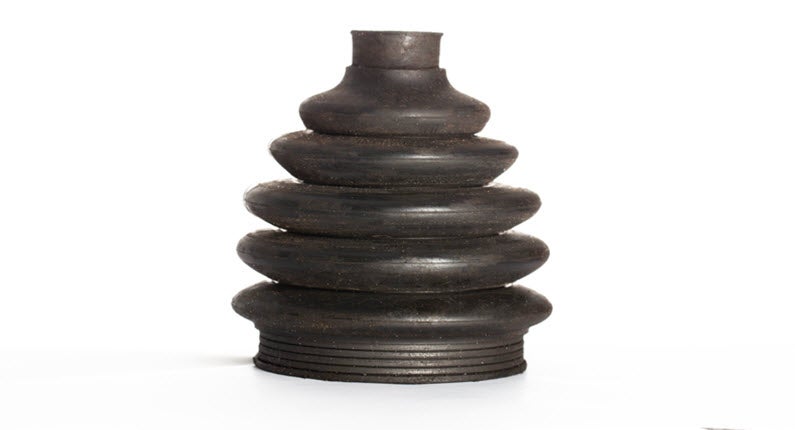
A half shaft boot, also called a CV boot or CV joint boot, is a rubber or plastic cover that protects the CV joint and CV axles on a Volkswagen. The half shaft boots keep the grease in and the dirt out. It also prevents the CV joint from drying out and breaking. The half shaft boot is typically found on front-wheel drive cars, such as the Volkswagen Jetta. Over time, half shaft boots can become damaged and need to be replaced. When replacing half shaft boots, it is important to use the proper size and type of boot for your vehicle. Using the wrong size or type of boot can cause vibration and noise, and may even damage the half shaft. It is important to talk to your trusted VW service center for details on half shaft boots and how to properly replace them, but let’s take a deeper dive into this here. Signs of Half Shaft Boot Problems The half shaft is a component of the drive train that connects the wheel to the engine. It is found on the inner side of the wheel and is held in place by a clip or band. The half shaft boot helps to keep the half shaft clean and free from dirt and debris, which can cause damage to the half shaft over time. You can imagine this can become problematic when debris gets into the shaft. Over time, the half shaft boot can fail, causing the grease to leak out. This can lead to a number of problems, including increased wear and tear on the half shaft and decreased fuel economy. There are several signs that you may be experiencing half shaft boot failure. These include: Increased noise from the half shaft Excessive vibrations of the wheel Grease leaks from the front tires Premature wear on the half shaft itself If you notice any of these symptoms, it’s important to have your VW checked by our qualified mechanics as soon as possible. Ignoring half shaft boot failure can lead to serious damage to your vehicle and may even void your warranty. Prevention and Maintenance One way to help prevent half shaft boot failure is to regularly check the boots for cracks or damage. If any damage is found, the boot should be replaced as soon as possible. It is also important to keep the area around the half shaft clean and free of debris. This will help to prevent the boot from being damaged by sharp objects. Also, it is important to ensure that the half shaft is properly lubricated. This can be done by regularly applying grease to the area. By following these simple steps, you can help to prevent half shaft boot failure and keep your vehicle running smoothly. Cars need to be properly maintained in order to function their best. This maintenance can include both big and small tasks, from regularly checking the oil level to taking the car in for an annual tune-up, which includes inspection of the half shaft boots. By keeping on top of maintenance, drivers can often prevent major problems from developing and extend the lifespan of their vehicle. Of course, maintenance needs can vary depending on the make and model of the car. Some newer cars have complex systems that require more frequent attention, while older cars may only need a few basic maintenance tasks to stay running smoothly. By staying up-to-date on these maintenance needs, drivers can help ensure that their car will be ready to hit the road whenever they are. Encore Motor Cars for Your Volkswagen’s Longevity At Encore Motorcars, we understand how essential maintenance is to the functionality of your Volkswagen. We believe that maintaining your car should be easy rather than a hassle. This is why we have carefully designed our services to ensure that your vehicle maintenance is more straightforward and convenient for you. Encore Motorcars is conveniently located in Sarasota, FL. Our newest factory tools and equipment allows us to offer top-notch services on European and exotic cars to auto owners in Bradenton, Ellenton, Nokomis, Osprey, Parrish, Venice, Lakewood Ranch, Longboat Key, Siesta Key, and University Park. Contact us today for expert service on your Volkswagen today. We look forward to earning your repeat business!